Garden Museum Review
London, United Kingdom. The Garden Museum in London occupies a distinctive niche within the city’s dense network of cultural institutions by focusing specifically on the relationship between people and plants. Unlike broader natural history or art museums,…
London, United Kingdom. The Garden Museum in London occupies a distinctive niche within the city’s dense network of cultural institutions by focusing specifically on the relationship between people and plants. Unlike broader natural history or art museums,…
Best forMuseum lovers, culture travelers, first-time visitors
Review focusCollections, visitor experience, and practical planning
What Sets It Apart
The Garden Museum in London occupies a distinctive niche within the city’s dense network of cultural institutions by focusing specifically on the relationship between people and plants. Unlike broader natural history or art museums, it is dedicated to the art, history, and design of gardens and horticulture. This singular thematic focus shapes every aspect of the visitor experience, from the building itself—which integrates a restored medieval church—to the range of exhibits that explore gardening’s cultural, ecological, and artistic dimensions. In a city with a historic passion for both public parks and private gardens, the Garden Museum offers a specialized perspective that is rare within England’s national museum landscape.
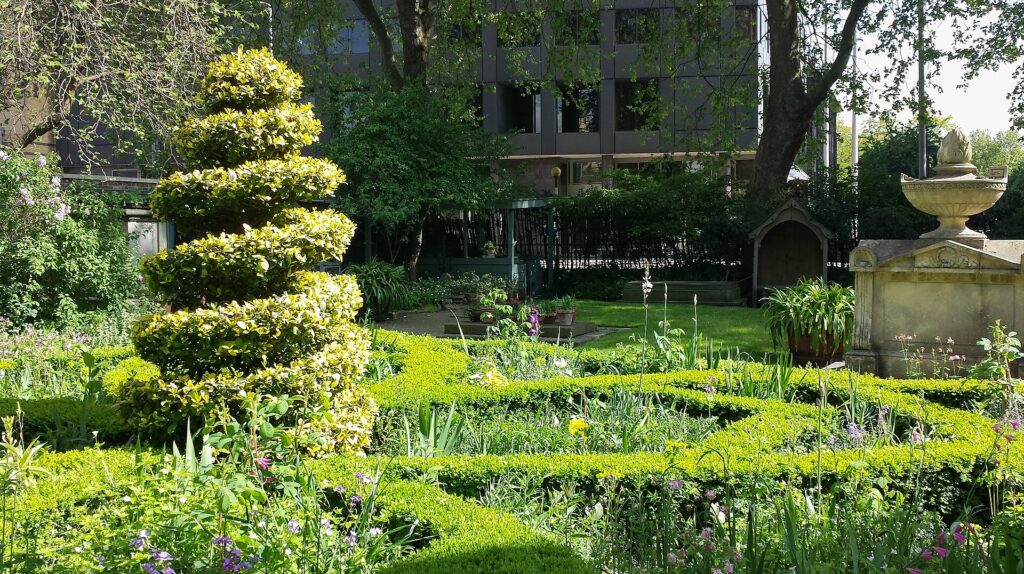
What also sets the museum apart is its site: built around the church of St Mary-at-Lambeth, adjacent to the River Thames near Lambeth Palace. The incorporation of the churchyard garden as part of the museum’s outdoor space links the past and present tactile experience of gardening with the interpretation inside. This physiological intimacy with plant life is not a typical museum approach and allows the Garden Museum to engage visitors with living collections alongside archival material and artworks.
Collection Depth and Significance
At its core, the Garden Museum’s collection traces the historical interplay between horticulture and human culture in Britain and beyond. The holdings include a combination of historical objects, documents, garden tools, artworks, and ephemera relating to garden design. It also houses portraits and commemorations of significant gardeners and horticulturalists, charting how gardening practices and styles reflect wider social changes.
Highlights include the archives related to famous garden designers such as Gertrude Jekyll and Capability Brown, whose influence can still be seen in British landscape aesthetics. The museum holds original plans, photographs, and letters connected with these figures, making it a resource for anyone interested in the development of garden design from the Tudor period through to modernist approaches.
The permanent collection also features medieval and Renaissance garden-related objects. This includes ceramics, prints, and horticultural implements that illustrate the role gardens played in domestic life and symbolism over centuries. The presence of a kitchen garden growing alongside the churchyard grounds connects these historical threads with living examples of modern cultivation.
While the collection may not be vast by number of objects, its strength lies in its focussed narrative and the depth of knowledge it represents in a subject rarely centralised elsewhere. Some items are of more modest material quality, but all contribute to a picture of gardening as both craft and cultural practice.
Design, Displays, and Atmosphere
The physical space has been carefully arranged to accommodate a blend of exhibition and contemplative space. The surviving medieval church structure provides a characteristic backdrop with its high ceilings, stained glass windows, and timber framing. This adds a quiet, reverential air to parts of the visit that suits the historical narratives the museum tells.
Exhibition galleries are well paced, allowing visitors to move from early historical contexts to more recent applications of garden design and gardening philosophy. The displays use a mixture of objects, archival imagery, text panels, and digital media. This combination helps balance detail with clarity, although visitors less familiar with gardening or design history may occasionally find some parts dense or specialized.
The museum’s approach to interpretation tends toward an academic yet accessible tone. Labels provide sufficient contextual information without overwhelming, though they assume a measure of basic gardening knowledge. Some thematic rooms contrast formal historical presentations with more tactile or sensory experiences, including the gardens themselves, which allow visitors to physically connect with the subject.
The atmosphere throughout the museum is thoughtful and tranquil rather than lively or brightly commercial. This makes it well suited to visitors interested in quiet contemplation, scholarly research, or serious study of horticulture and garden history. On occasion, this tone might feel understated for families with young children or those seeking more interactive exhibitions.
A Visit for Different Audiences
The Garden Museum is likely to appeal most strongly to enthusiasts of gardening, landscape architecture students, historians of British culture, and those interested in the social history of domestic and public gardens. Members of the horticultural profession and amateur gardeners looking for a deeper understanding of their craft’s history will find the collections informative and rewarding.
For families with children, the museum offers an opportunity to experience a peaceful green space in central London and to engage children in the idea of gardening through the outdoor gardens. However, it may not provide the level of hands-on interactivity or child-focused engagement found in larger science or natural history museums.
Scholars and researchers in garden history and design will note the museum’s role as a custodian of important archives and documents. While much of the collection is on display, some archival materials are reserved for study by appointment. Casual visitors with a general interest in London’s cultural scene may find it worth a visit as a niche experience, but the specialized subject matter demands a modicum of prior curiosity or commitment.
The Strongest Reasons to Go
Visitors with an interest in gardening should look to the Garden Museum to deepen their understanding of Britain’s long horticultural tradition. The original archival materials give a substantive dimension to the stories of figures like Gertrude Jekyll, showing the practical and artistic concerns behind their work rather than just visual outcome.
The churchyard garden itself—a combination of memorial and working garden—provides an unusual setting that combines history, landscape, and botany in a compact space. The presence of historic gravestones dedicated to gardeners adds a layer of human narrative often absent in purely aesthetic or scientific garden museums.
The museum’s smaller, carefully curated exhibitions highlight particular themes or moments in garden history, often framed to connect with current environmental and gardening debates. This reflects an awareness of gardens not just as objects of beauty or nostalgia but as living spaces with social and ecological significance.
Lastly, the museum’s central London location makes it accessible to those navigating the Thames-side area. It offers a relatively quiet cultural experience away from the busier tourist circuits of central London, which can be a welcome change for those seeking focused cultural content.
Planning Notes
The Garden Museum is located near Lambeth Bridge, within walking distance from the South Bank cultural area. Prospective visitors should check the museum’s official website for the latest on opening hours, ticketing policies, accessibility provisions, and any special programming or temporary closures.
Given the museum’s emphasis on quiet reflection and detailed study, planning a visit during off-peak hours might enhance the experience. The compact scale means it is manageable within a limited timeframe, though visitors interested in deep archival research or gardens may want to allow additional time.
The outdoor gardens depend, naturally, on season and weather, so garden-related displays may vary in condition and scope throughout the year. For those traveling with groups or less mobile visitors, verifying accessibility in advance is advisable, as parts of the site include historic structures with uneven surfaces.
Editorial Conclusion
The Garden Museum offers a focused, well-researched look at Britain’s gardening heritage within an atmospheric historic setting. Its strength lies less in object quantity than in the depth and quality of its collections and archives related to horticulture and garden design. For a visitor with a committed interest in plants, gardens, and their cultural histories, the museum delivers meaningful insights that are hard to find elsewhere in London’s museum landscape.
It is not, however, designed as a broad audience destination. The tone is understated, the content specialized, and some visitors may find the exhibitions demand a level of prior knowledge or engagement that casual tourists rarely bring. The museum’s atmosphere of calm and contemplation suits scholarly or serious enthusiasts better than those seeking dynamic or heavily interactive experiences.
In short, the Garden Museum represents a distinctive and valuable resource for those who want to understand what gardens have meant in Britain’s cultural and social life. Its specific focus and modest scale mean it complements rather than competes with London’s many larger institutions. Prospective visitors should approach it with clear expectations about its subject matter and approach, but those who do so can find rewarding and nuanced perspectives on the art and history of gardening.