National Museum of Namibia Review
Windhoek, Namibia. The National Museum of Namibia, located in the capital city of Windhoek, serves as a principal institution for the preservation and presentation of the country’s diverse heritage. Established in its current form during the…
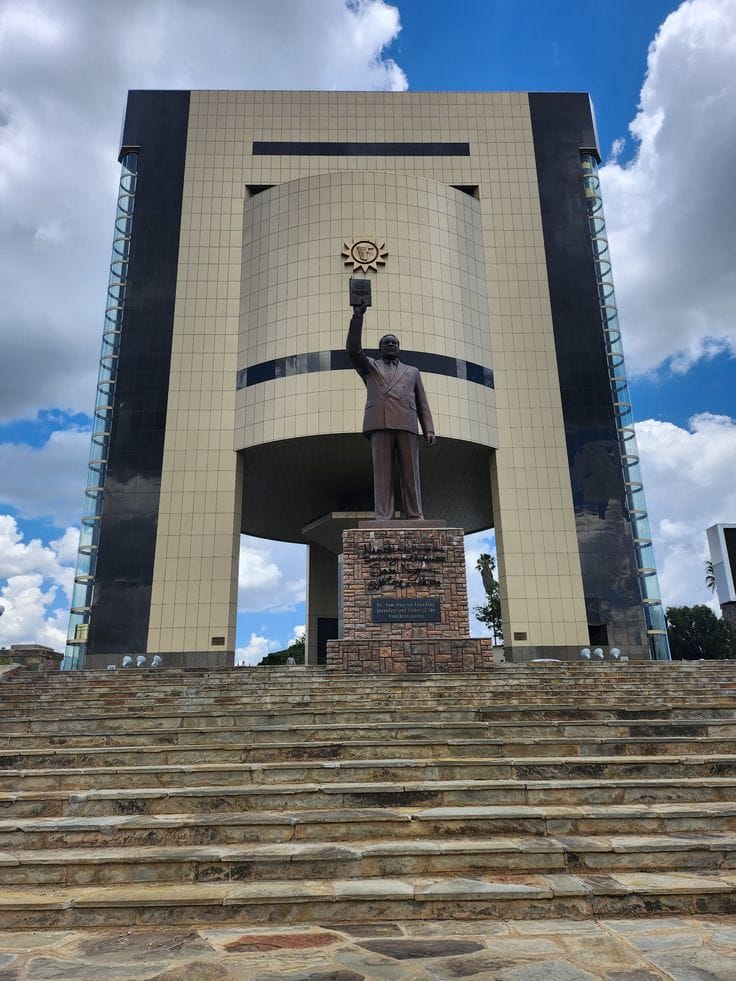
Windhoek, Namibia. The National Museum of Namibia, located in the capital city of Windhoek, serves as a principal institution for the preservation and presentation of the country’s diverse heritage. Established in its current form during the…
Best forMuseum lovers, culture travelers, first-time visitors
Review focusCollections, visitor experience, and practical planning
Historical Context
The National Museum of Namibia, located in the capital city of Windhoek, serves as a principal institution for the preservation and presentation of the country’s diverse heritage. Established in its current form during the 1980s, it builds upon roots that trace back to colonial-era collections and earlier ethnographic and natural history efforts. The museum now operates under the Ministry of Education, Arts and Culture and reflects Namibia’s layered past—from ancient human prehistory and archaeology to ethnology, colonial periods, liberation struggles, and post-independence national identity.
Namibia’s history encompasses indigenous cultures with millennia-old traditions, German and South African colonial administrations, and a hard-fought journey toward independence achieved in 1990. The National Museum serves as an institutional reflection of these historical layers, attempting to encapsulate the nation’s rich ethnographic and natural heritage as well as its complex political and social narratives. Situated in a geopolitical context marked by shifts in governance and identity, the museum’s role remains critical in shaping public understanding of Namibian history and culture.
What You See on Arrival
The National Museum is headquartered in Windhoek, housed primarily in two separate buildings: the Owela Display Centre and the Alte Feste building. The entrance experience situates visitors in an urban environment marked by both modern infrastructure and remnants of colonial architecture, which in itself frames a contextual backdrop about Namibia’s layered past. The visual impression underlines the museum’s dual focus—both a repository of traditional cultural materials and a space for natural history.
At the Owela Display Centre, the facade and interior design spotlight the museum’s ethnographic and zoological dimensions. Visitors are likely to observe signage and exterior cues that emphasize wildlife, indigenous craftsmanship, and historical artifacts. Meanwhile, the Alte Feste building, a former military fortress, stands as a symbolic reminder of colonial rule and armed conflict. This architectural element primes visitors to anticipate material related to Namibia’s military history and colonial experience, particularly the struggles associated with German colonialism and South African administration.
Overall, arrival at the museum hints at its thematic overlap—natural environment, ethno-cultural identity, and political history—while raising expectations for a relatively compact but meaningful cultural institution.
Highlights and Key Exhibitions
The National Museum of Namibia’s collection—spread primarily between the Owela Display Centre and Alte Feste—takes a multidisciplinary approach encompassing archaeology, ethnology, natural sciences, and historical artefacts. The Owela Display Centre is best known for housing the natural history and ethnographic collections. It includes displays on wildlife species native to Namibia, illustrating fauna through taxidermy specimens and skeletal remains. This section gives insight into biodiversity patterns in the semi-arid Namib Desert and savannah regions.
Ethnographic exhibits present cultural objects from the country’s major ethnic groups, such as the Ovambo, Herero, Damara, Nama, San, and Kavango peoples. Visitors can expect traditional tools, dress, pottery, and musical instruments, offering tangible evidence of Namibia’s indigenous lifeways and artisanal crafts. The presentation of these collections, while sometimes modest in scale compared to larger museums, attempts to demonstrate cultural variation and continuity. For instance, Herero women’s distinctive dresses and San rock art reproductions may be featured.
Archaeological displays include stone tools and artifacts from early human settlements and prehistoric periods, underscoring Namibia’s place in human evolutionary history. These exhibits connect the region to broader anthropological narratives while retaining a local focus on Nakuru-era and Iron Age developments.
The Alte Feste building adds a historical and military dimension, concentrating on colonial history and the liberation struggle. Exhibitions within the fortress include displays on German colonial military campaigns, South African administration, and the conflicts associated with Namibia’s road to independence. Historical documents, weapons, photographs, and interpretive panels explore this difficult chapter. Though the former military fortress itself conveys a potent sense of history, the presentation inside generally remains factual and restrained rather than theatrical.
Overall, the museum’s combined narrative stresses both continuity and change: from environment and indigenous cultures through colonial imposition to the eventual birth of a sovereign nation. This intersection of natural, cultural, and political exhibits provides a more complete picture than a single-disciplinary approach, even if individual sections are sometimes limited by display space and interpretive depth.
Visitor Experience
For visitors, the National Museum of Namibia offers a range of experiences that will appeal to those interested in southern African culture, history, and natural science in a single destination. The concentration on regional ethnography and biodiversity makes it particularly relevant for scholars, students, and visitors with a cultural curiosity about Namibia’s indigenous peoples, as well as naturalists interested in the country's wildlife heritage.
The pacing of the museum is likely manageable within a few hours, given its medium scale. However, spatial and institutional limitations mean that some exhibits rely on traditional display techniques that may appear dated compared to more technology-driven institutions elsewhere. Interpretation tends to be descriptive and factual, with explanatory panels and labels that provide historical context and object information, but the lack of interactive or multimedia elements could render the experience less engaging for visitors accustomed to digital or hands-on museum environments.
The division between the Owela Display Centre and the Alte Feste building requires some logistical coordination for visitors, something that might impact flow and ease, especially for those less familiar with Windhoek’s geography.
The museum succeeds best when it presents objects of tangible cultural and historical value, allowing visitors to connect directly with artifacts. At its most compelling, the museum offers a contemplative atmosphere where the intersection of cultural memory, colonial history, and environmental heritage can be appreciated. However, visitors seeking comprehensive or deeply interpretive narratives may find some sections brief or limited by presentation style.
Tickets, Access, and Planning
Visitors planning a trip to the National Museum of Namibia should review the museum’s official website or contact local visitor information resources to confirm current opening hours, admission fees, and any specific COVID-19 or other health-related protocols. Information on availability of tours, audio guides, accessibility for people with disabilities, and facilities is not always clear or consistent in public sources and may vary over time.
Given that the museum operates from two main locations, visitors should allow for travel time and transportation arrangements between the Owela Display Centre and Alte Feste building. Windhoek’s urban setting and traffic patterns could influence the ease of this transition.
Preparation for the visit, including reading in advance about Namibian history and ethnography, would help maximize understanding of the displays. While the museum offers a respectable introductory overview to Namibia’s diverse cultures, archaeology, and historical trajectory, those with specialized interests may find it less comprehensive compared to larger academic or regional institutions.
Final Verdict
The National Museum of Namibia provides a useful, if somewhat modestly scaled, cultural institution centered in Windhoek that aggregates elements of the country’s natural history, ethnographic heritage, and political past. Its greatest strength lies in bringing together a variety of thematic threads into a coherent narrative that captures key aspects of Namibian identity and historical experience.
That said, the museum’s presentations are conservative in style and scope, reflecting resource constraints and prioritizing preservation and basic interpretation rather than cutting-edge visitor engagement. While the Owela Display Centre offers an accessible encounter with indigenous material culture and wildlife, the Alte Feste building enriches this with a sober account of the nation’s colonial and liberation history. Together, they form complementary parts of a broader story.
For visitors with a general interest in Namibian or southern African culture, history, or natural environment, the museum is a worthwhile stop that adds context to a visit to Windhoek. More specialized audiences will appreciate its core collections but may need to supplement with other institutions or literature to explore themes in greater depth or from alternative perspectives.
In summary, the National Museum of Namibia provides a credible and meaningful introduction to the country’s heritage, offering clear insights without extensive embellishment or grandiose claims. Those planning a visit should approach it as an informative cultural institution with a focus on foundational narrative and material preservation rather than as a flashy or extensively interactive experience. Its role in preserving and presenting Namibia’s past is significant, if understated, and its contribution to education and cultural memory valuable within its particular setting.