National Museum of Namibia
Windhoek, Namibia. The National Museum of Namibia, located in Windhoek, serves as a key institution for understanding the country’s cultural and natural heritage. As a national museum, it holds collections and exhibits that trace Namibia’s diverse…
Best forMuseum lovers, culture travelers, first-time visitors
Setting / nearbyWindhoek, Namibia
Overview
The National Museum of Namibia, located in Windhoek, serves as a key institution for understanding the country’s cultural and natural heritage. As a national museum, it holds collections and exhibits that trace Namibia’s diverse history, peoples, wildlife, and environment. The museum plays an important role in preserving and presenting artifacts related to the nation’s archaeology, ethnography, history, and natural sciences. Founded in the early years following Namibia’s independence, it has evolved to reflect the multifaceted identity and stories of the country.
The museum is oriented toward visitors who want a structured introduction to Namibia’s past and present. It aims to balance archaeological discoveries with cultural traditions, as well as natural history, providing a comprehensive sense of place and time. While it is primarily focused on Namibian heritage, some exhibits also hint at broader regional and global connections. The institution’s mission includes public education alongside cultural preservation, though it may appeal primarily to those who already have an interest in anthropology, history, or natural sciences.
Collection Highlights
The museum’s collections cover several fields but are especially concentrated in archaeology, ethnology, natural history, and colonial-era history. The archaeological and ethnological displays explore the rich diversity of Namibia’s indigenous cultures and ancient societies. These might include stone tools, pottery shards, traditional crafts, and reconstructions of early dwellings. Compared to some ethnographic museums that focus on a narrow timeframe or specific communities, this museum attempts to represent multiple groups, including the San, Herero, Nama, and Owambo peoples.
Natural history collections showcase Namibia’s unique flora and fauna. Displays could include skeletal remains, taxidermy specimens, and geological samples such as fossils or minerals. These provide insight into the region’s biodiversity and ecological changes over time. The museum also addresses the interaction between humans and nature, which is an important theme given Namibia’s extensive deserts and wildlife reserves.
Historical sections document the colonial period and the road to independence. Exhibits related to German colonial rule and South African administration are present but are handled with a careful tone, recognizing the complex and often painful legacy involved. Items might include archival photographs, documents, clothing, and tools from the 19th and 20th centuries. These exhibits help outline the socio-political transformations that shaped modern Namibia.
While the collections cover a broad scope, visitors should note that some may feel that certain topics or regions are covered more extensively than others. Furthermore, some of the displays, given the museum’s national remit, may emphasize official narratives or perspectives. The balance between local community voices and national history may vary in different parts of the museum.
Building and Setting
The National Museum of Namibia is situated in the capital city of Windhoek, a central location for access and significance as the political and cultural capital. The museum contains multiple sections, some spread in separate buildings associated with the institution. This arrangement means that visitors might need to plan their route, as not all collections are displayed in one single space.
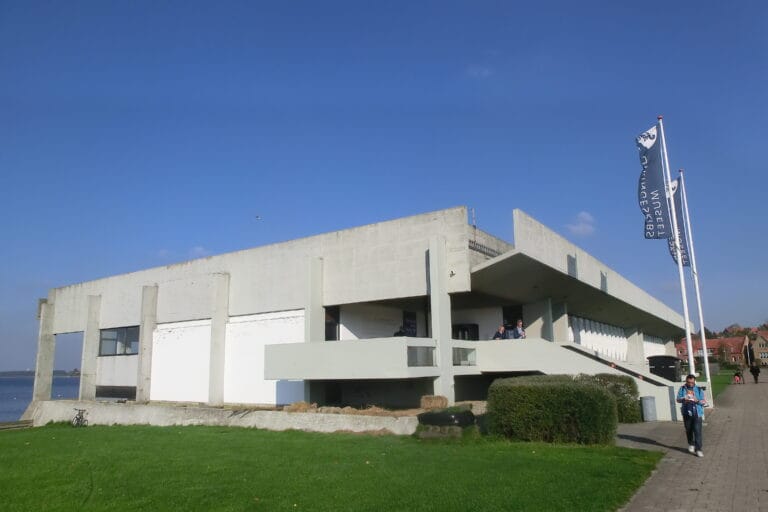
The architectural style of the main museum building is functional and somewhat austere, reflecting its institutional purpose rather than decorative aims. Some parts of the museum reside in older structures, which may offer an atmosphere that connects to Namibia’s colonial past. The generally unpretentious setting serves to keep focus on the material culture and exhibits themselves rather than the building.
The museum’s grounds and immediate surroundings reflect the urban environment of Windhoek, which is a city blending modern infrastructure with colonial heritage. Visitors coming from tourist centers or hotels in Windhoek will find the museum within reasonable reach, though the precise accessibility for visitors with limited mobility should be verified directly with the museum.
Practical Information
Before planning a visit, it is advisable to check the official website or contact the museum directly for the most current details on opening hours, admission fees, guided tours, and any special exhibitions or events. Policies regarding ticket buying, group visits, and visitor services may change, especially due to health regulations or institutional updates.
Language considerations are also relevant. Exhibits are primarily presented in English, which is Namibia’s official language, but some materials may also appear in other languages relevant to the region. Staff at the museum may offer assistance in English and possibly Afrikaans or German, reflecting Namibia’s multilingual character.
The museum is suited for visitors interested in Namibia’s past—from independent travelers seeking cultural enrichment to students and researchers with academic interests. It may also be helpful to allocate sufficient time to explore the multiple sections, especially if planning to visit all affiliated buildings. The museum is not solely a tourist destination; it tends to attract locally interested audiences and scholars as well.
Facilities such as rest areas, cafés, or parking facilities should be confirmed beforehand, as these are not always guaranteed or extensive. Similarly, visitors with specific accessibility needs should inquire in advance to ensure accommodations can be made.
Why Visit
Choosing to visit the National Museum of Namibia offers insight into a country with a complex and layered history. The museum highlights indigenous cultures and natural environments that are integral to Namibia’s identity but might not be as familiar from other contexts. The collection spans prehistory through modern times, providing a chronological narrative that situates the country in broader southern African developments.
For those curious about how historical memory is curated in post-colonial Africa, this museum presents an opportunity to see how Namibia navigates its colonial legacy without glossing over difficult subjects. The ethnographic displays give a grounding in the everyday lives and traditions of Namibia’s peoples. Visitors interested in natural sciences can appreciate specimens that underline the uniqueness of the Namib Desert ecosystem and the region’s wildlife.
The museum’s focus, while broad, may be less engaging for those expecting a purely art-centric or interactive science museum experience. The presentation style often relies on traditional display cases and panels, without large-scale multimedia or thematic interpretations. Those with a more academic or low-key interest in museums may find this approach appropriate, while others seeking more theatrical or rapidly changing exhibitions might find the experience subdued.
In conclusion, the National Museum of Namibia offers a solid, if reserved, overview of the country’s heritage. It suits visitors looking to deepen their understanding of Namibia beyond surface-level tourism, provided they plan their visit well and do not expect extensive visitor-oriented frills. Checking the official website before visiting is a good practice to ensure the trip fits individual interests and logistical needs.