Museo Amano Review
Lima, Peru. The Museo Amano in Lima, Peru, is a distinctive cultural institution dedicated primarily to the art and artifacts of pre-Hispanic Peru, with a special emphasis on ancient textiles. Founded in 2000 by Dr. Yoshitaro…
Lima, Peru. The Museo Amano in Lima, Peru, is a distinctive cultural institution dedicated primarily to the art and artifacts of pre-Hispanic Peru, with a special emphasis on ancient textiles. Founded in 2000 by Dr. Yoshitaro…
Best forMuseum lovers, culture travelers, first-time visitors
Review focusCollections, visitor experience, and practical planning
Historical Context
The Museo Amano in Lima, Peru, is a distinctive cultural institution dedicated primarily to the art and artifacts of pre-Hispanic Peru, with a special emphasis on ancient textiles. Founded in 2000 by Dr. Yoshitaro Amano, a Japanese-Peruvian textile collector, the museum’s focus stems from his efforts to preserve and promote the heritage of indigenous craftsmanship, especially the intricate weaving traditions that thrive in Andean cultures. Over two decades, the Amano collection has emerged as one of the most significant private compilations of pre-Columbian textiles, covering a wide chronological span from approximately 1800 BCE through to the Inca era.
This museum’s establishment aligns with a broader recognition of textile arts as more than utilitarian objects; they function as historical documents and expressions of cultural identity. In Peru, where archaeology is often dominated by ceramics and monumental architecture, the Museo Amano fills an important niche. It offers insights into the complexity and innovation of Andean societies through the lens of textile production, dyeing techniques, and iconography. Its approach reflects the lasting impact of indigenous artisanship long before European contact, highlighting a subterranean heritage often overshadowed by better-known artifacts such as metalwork or pottery.
Though relatively small-scale compared to national museums, Museo Amano occupies an integral role in Lima’s museum landscape. It is part of a wave of institutions fostering appreciation for traditional skills alongside archaeological research. The museum’s foundation bolstered efforts to protect Peruvian textiles, many vulnerable to deterioration or illicit trade. By focusing on textiles within a museum setting, the Amano collection makes a notable contribution to cultural preservation, academic study, and public education concerning Peru’s rich heritage.
What You See on Arrival
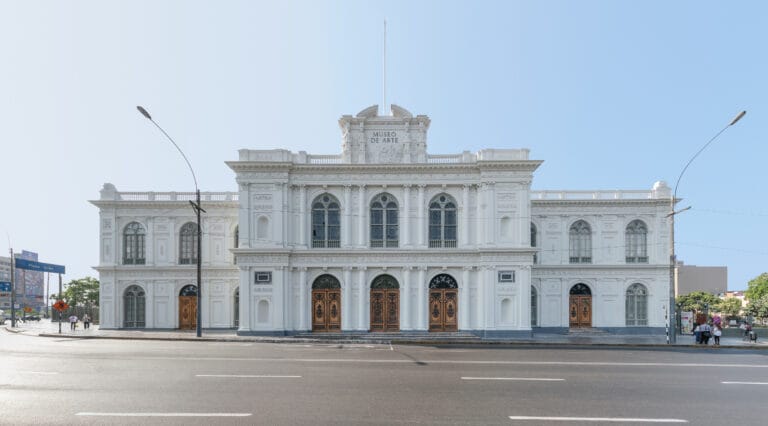
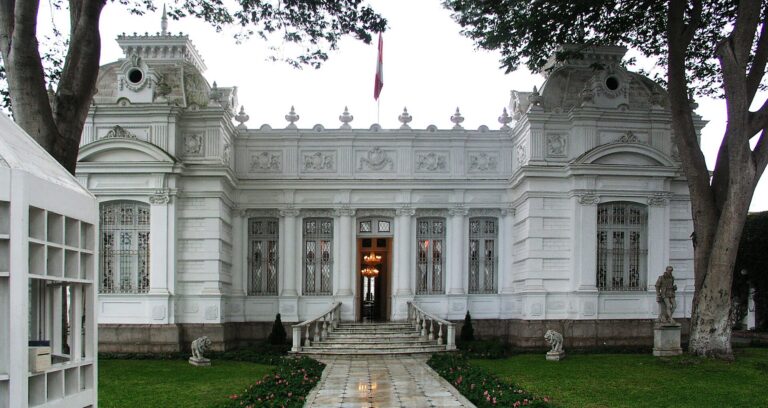
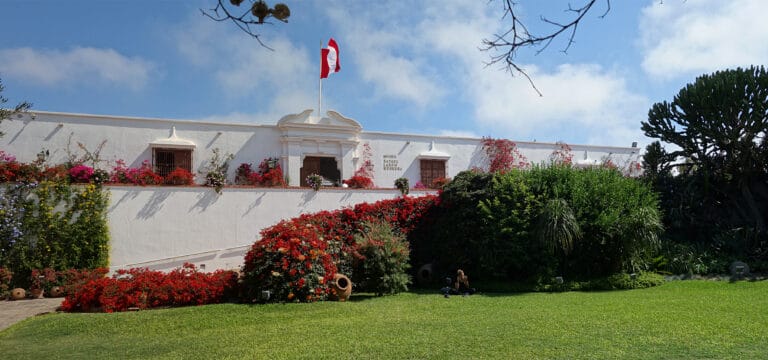
Approaching Museo Amano, visitors encounter a modest yet inviting environment that contrasts with sprawling national museums or high-traffic tourist hubs. Located in a quieter district of Lima, the museum presents a refined, focused identity centered on textiles and archaeological artifacts related to Peru’s pre-Columbian past. The building itself is unpretentious, enabling the collections to take precedence over grand architectural statements.
At the entrance and foyer, the initial encounter frames the museum’s mission clearly: to present textiles as fundamental cultural objects. The layout typically prepares visitors for an intimate viewing experience centered on fabric, thread, and pattern rather than monumental art or excessively large exhibitions. There is an air of scholarly care, balanced with accessibility for general visitors, and an emphasis on detailed craftsmanship rather than broad narrative overviews.
The signage and introductory materials succinctly outline the archaeological and ethnographic scope of the museum’s holdings. The visitor immediately understands that this is not a generic archaeological museum but one with a sharp thematic focus. This framing influences visitor expectations accordingly: the emphasis is on close observation of artifacts rather than multimedia displays or extensive historical context panels.
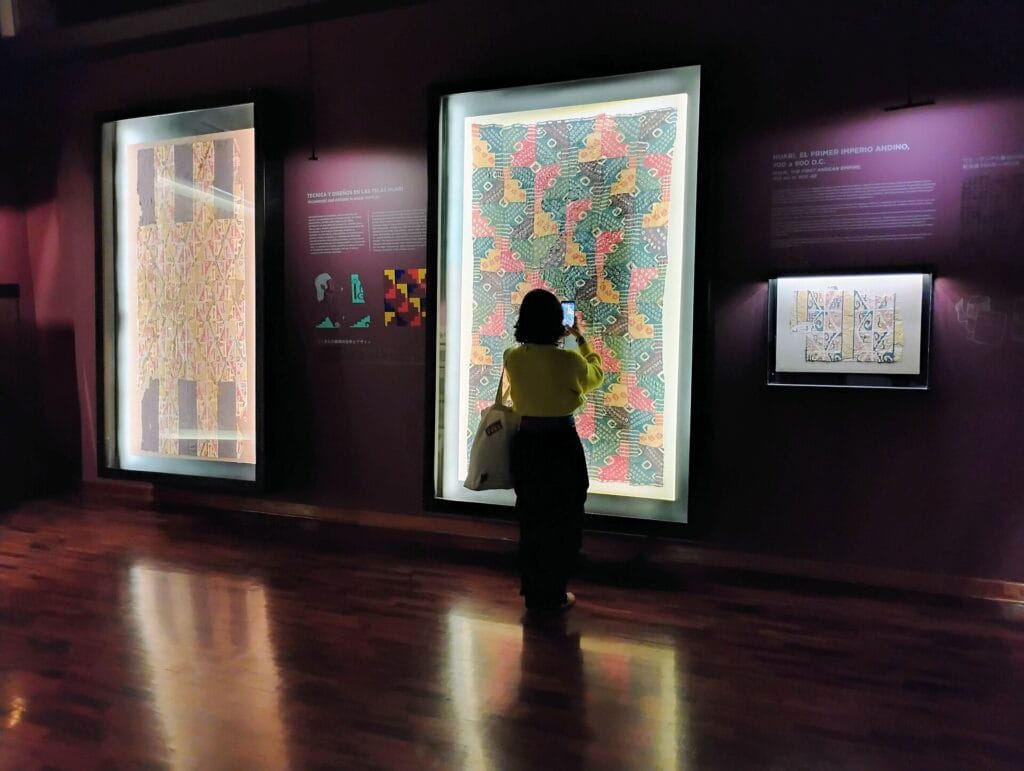
Although the complex is compact, its interior design tends to prioritize clear sightlines and proper lighting to showcase textile fragility and detail. The space allows visitors to slowly move through a sequence of galleries organized thematically or chronologically, enhancing appreciation of the technical sophistication, symbolism, and historical layering of Andean weaving traditions.
Highlights and Key Exhibitions
The core strength of Museo Amano lies in its collection of ancient Peruvian textiles, reputed as one of the finest and most comprehensive in private hands. The artifacts encompass a wide array of fabrics from various pre-Columbian cultures, including the Nazca, Paracas, Wari, and Inca civilizations. Each item encapsulates sophisticated weaving techniques such as twill, tapestry, and embroidered designs, preserved against the ravages of time by Peru’s arid coastal deserts.
Significantly, many pieces demonstrate complex iconography — geometric motifs, stylized animals, and human figures — which provide insights into the ideological and ritual frameworks of their creators. Some textiles functioned as aristocratic garments, ceremonial coverings, or burial cloths, revealing social hierarchies and spiritual beliefs within ancient Andean societies. The quality and variety of materials — cotton, camelid fibers such as alpaca and vicuña — testify to diverse ecological and cultural zones across Peru.
Beyond textiles, the museum’s collection includes complementary archaeological artifacts, such as basketry, ceramics, and tools related to textile production. These provide context for understanding the technological and material culture around weaving. Occasionally, the museum displays rare fragments or complete textiles from funerary contexts, allowing visitors to grasp both aesthetic values and cultural significance.
The curatorial approach places keen emphasis on explaining the techniques that ancient weavers used, including dyeing processes involving natural pigments. While textile analysis can be highly specialized, the museum succeeds in presenting it clearly enough for general audiences interested in material culture or Andean history.
Noteworthy is the museum’s treatment of the Paracas textiles, famous for their elaborate embroidery, vivid color contrasts, and exquisite craftsmanship dating back to 800–200 BCE. These are among the museum’s standout pieces, often commanding attention for their preservation and design complexity. Likewise, examples from the Wari empire illustrate stylistic continuity and innovation in textile production extending into the Middle Horizon period (ca. 600–1000 CE).
Overall, the exhibitions offer a rare opportunity to see textiles up close in conditions that prioritize conservation. Unlike larger archaeological museums focusing on ceramics and metals, Museo Amano foregrounds textile art as a medium for historical narrative and cultural identity. This specialization provides depth and focus but naturally limits the scope to objects related to weaving and associated crafts.
Visitor Experience
Visitors to Museo Amano are likely to encounter an environment well suited for contemplative study and appreciation of textile art. The galleries are generally arranged in a manner encouraging slow movement and careful observation. This pacing benefits those with a particular interest in archaeology, ethnography, or textile studies, as the museum demands some patience to appreciate the nuances of weaving techniques and iconography.
Interpretation is grounded in clear, explanatory panels that avoid jargon while offering sufficient detail to satisfy informed visitors. The museum balances visual presentation with contextual information, although visitors seeking broad historical overviews or extensive archaeological context beyond textiles may find the narrative somewhat narrow. Likewise, the absence of multimedia elements or interactive displays means the experience is conventional rather than experimental.
The museum is appropriate for people interested in Peruvian prehistory, artisanal crafts, and archaeology with a specific lens on textiles. Students and researchers will find the collection valuable, not only for the quality of artifacts but also for the care taken in display and conservation. Casual tourists with limited background in Andean culture might need to invest additional attention to fully engage with the displays.
The venue’s scale and focus mean it does not overwhelm visitors but may feel limited for those hoping for a more expansive archaeological story or a diverse collection representing various artistic media. The Museo Amano excels in depth rather than breadth, which suits specialized interests but could challenge generalists or families wanting varied, hands-on activities.
Visitor flow is usually manageable given the museum size, allowing space and quiet for study. However, confirmation on crowding or peak times is best sought from current visitor reports or official channels. The setting encourages quiet reflection rather than bustling group tours, although group visits are not precluded.
Tickets, Access, and Planning
Visitors intending to see Museo Amano should refer to the official museum website or trusted sources for the most up-to-date information regarding opening hours, admission fees, available discounts, and visitor services. Precise ticket prices and access arrangements are subject to change and may vary depending on cultural programming or local conditions.
It is advisable to check on booking requirements ahead of time, as smaller institutions sometimes operate on limited hours or appointment-only visits. Information about audio guides, guided tours, or educational programs is not consistently available, so prospective visitors should confirm these options if they are considered important for their experience.
The museum’s location in Lima means it is accessible by urban transport options, but specific advice on reaching the site, parking, or neighborhood convenience should come from localized sources. Accessibility provisions for visitors with mobility challenges are not widely documented, so inquiries in advance are recommended.
While on-site amenities such as cafés or shops are not emphasized in general descriptions, visitors should prepare accordingly, especially if planning extended visits or combining Museo Amano with other nearby cultural sites. The museum’s intimate scale implies fewer commercial facilities compared to larger institutions.
Final Verdict
Museo Amano offers a concentrated and well-curated perspective on one of Peru’s most underrepresented heritage elements: ancient textile arts. Its strength lies in the exceptional quality and preservation of the collection, which chronicles centuries of Andean craftsmanship with attention to detail and context. As a specialized museum, it serves a clear niche, appealing strongly to those interested in archaeological textiles, indigenous material culture, and cultural conservation.
The institution’s modest size and focused scope mean it is not intended as a comprehensive archaeological museum for general audiences or visitors seeking broad overviews of Peruvian history. Instead, it is best approached as a place for deeper engagement with a particular medium and the stories woven into it. Interpretation is clear and authoritative, though it lacks the variety of multimedia or interactive features that might broaden appeal or accessibility for diverse visitors.
Visitors should plan practical details carefully by checking official sources before arrival, as the museum’s operational particulars may vary. Its quieter, reflective atmosphere suits those willing to invest time in close examination rather than hurried sightseeing.
Ultimately, Museo Amano stands as an important resource within Peru’s cultural landscape, preserving and elevating textile heritage that has often been marginalized in archaeological representation. It is a valuable complement to larger national museums in Lima and contributes significantly to understanding the artistic and social complexity of ancient Andean societies, albeit through a focused and specialized lens rather than a wide-angled panorama.