Museo Amano
Lima, Peru. Museo Amano is a private museum located in Lima, Peru, dedicated primarily to pre-Columbian textiles and ceramics. It represents one of the more specialized collections in the city, focusing on ancient Peru’s material culture…
Best forMuseum lovers, culture travelers, first-time visitors
Setting / nearbyLima, Peru
Overview
Museo Amano is a private museum located in Lima, Peru, dedicated primarily to pre-Columbian textiles and ceramics. It represents one of the more specialized collections in the city, focusing on ancient Peru’s material culture with a strong emphasis on the art and craftsmanship of indigenous cultures before Spanish colonization. The museum centers around the private collection of Julio Arturo Amano, a Japanese-Peruvian collector whose interest in Andean textiles has shaped the institution since its establishment in the 1990s. This focus places Museo Amano uniquely among the many museums in Lima, which often emphasize archaeological finds, colonial art, or broader historical periods.
Compared to other archaeological museums in Lima, which often showcase large-scale artifacts, this museum’s concentration on textiles and fine ceramics offers a closer look at the daily life, religious practices, and artistic traditions of ancient Andean peoples. This makes it especially valuable for visitors interested in indigenous craftsmanship, textile technology, and iconography that more general museums do not always highlight. The collection spans various pre-Columbian cultures, including those of the Paracas, Nazca, Wari, and Chancay, broadly covering artifacts dated from roughly 1000 BCE to 1500 CE.
While Museo Amano is relatively modest in size, it has a reputation for well-preserved and carefully presented objects. The close-up nature of the exhibits allows for thoughtful study of the intricate weaving techniques and decorative patterns that are characteristic of the ancient Andean world.
Collection Highlights
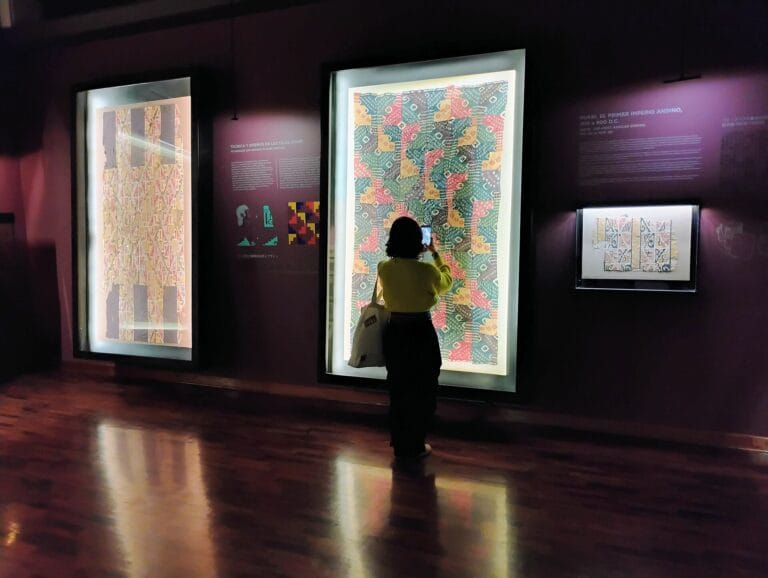
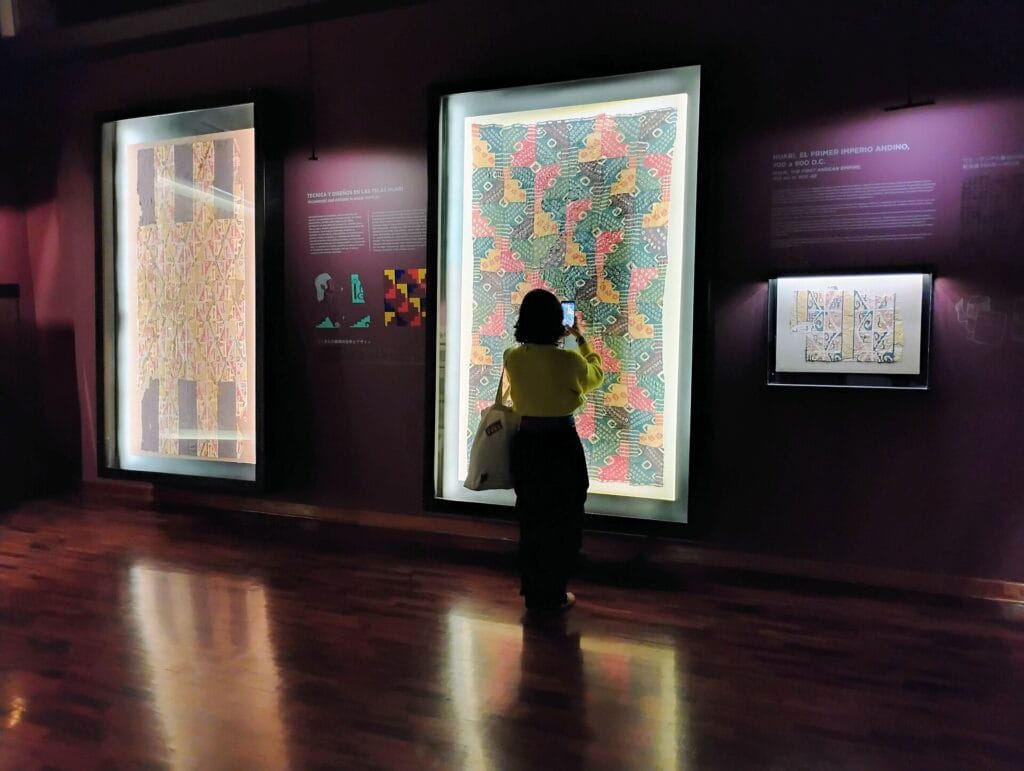
The heart of Museo Amano lies in its collection of pre-Columbian textiles, which are often fragile and rare in museum holdings due to the perishable nature of fiber materials. The museum showcases garments, decorated cloth fragments, and textiles used in ceremonial contexts, offering insights into technological innovations such as complex weaving and dyeing methods unique to the Andes. Some items illustrate symbolic motifs tied to religious or social identity, providing a rich visual resource for understanding indigenous belief systems.
Visitors can observe textiles from various cultures, each with distinct stylistic conventions. For example, fragments attributed to the Paracas culture are known for their vivid colors and introduction of embroidery techniques, while Nazca textiles often feature geometric and iconographical designs with mythological significance. The Wari and Chancay textiles demonstrate different technical approaches and regional styles, including more monochrome palettes and use of cotton and camelid fibers.
Besides textiles, the collection includes ceramics mostly from cultures overlapping with the textile holdings. These ceramics highlight utility vessels, funerary objects, and ritualistic items, often decorated with painted or incised designs that parallel textile motifs in their symbolic content. The ceramic pieces add context to the social and religious worlds in which these textiles were produced and used.
Explanatory labels and panels throughout the museum provide background about the materials, techniques, and cultural meanings, making the collection accessible beyond specialist audiences. Photographs and diagrams sometimes accompany the objects to illustrate weaving methods or excavated contexts, though the depth of interpretative material varies. Individuals with a particular interest in ancient textiles, Andean civilizations, or ethnographic arts are likely to gain the most from the visit.
Building and Setting
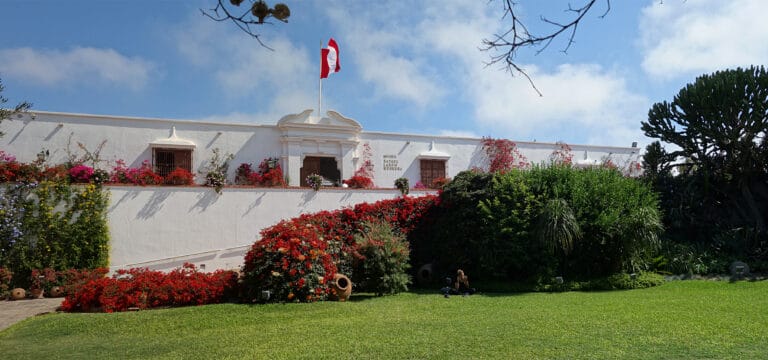
Museo Amano is situated in a quiet residential neighborhood of Lima that is known for its cultural venues. The museum occupies a modest building designed primarily as a showcase space rather than a monumental structure. The layout is intimate and linear, guiding visitors through a series of galleries arranged thematically or by culture.
The exhibition space respects the delicate nature of the textile artifacts, maintaining controlled lighting and climate conditions as far as possible to preserve the fibers. Display cases are designed to allow close inspection, though, by necessity, many items are shielded behind glass and may be placed at some distance for conservation reasons. There is limited room for large groups, so visits are often on a smaller scale, which can enhance a quieter viewing experience.
The setting away from Lima’s main tourist districts means that the museum is less crowded than major national museums, but also that it requires some intentional effort to reach. As the museum is not located near major archaeological sites or other large institutional collections, it often appeals to visitors who have a particular interest in Andean textile traditions or who plan to explore Lima’s more specialized cultural offerings.
Practical Information
Specific details regarding admission fees, opening hours, and tour availability are best confirmed through the official museum website or by contacting the institution directly. Such practical information can change seasonally, and tickets or access regulations might be updated, particularly in response to local health considerations or special exhibitions.
Visitors should check current visitor guidelines, as the museum’s focus on fragile materials may impose restrictions on photography and handling. While there is no indication that the museum is unsuitable for families or casual visitors, those with a casual interest may find the content somewhat specialized. Individuals looking for extensive historical background or immersive archaeological displays might consider combining the visit with a larger archaeological museum in Lima for fuller context.
Also, since the museum occupies a smaller space within a residential area, visitors planning to rely on public transportation or taxis should prepare accordingly. Accessibility features are not extensively documented, so those with mobility concerns may wish to inquire ahead.
Why Visit
Museo Amano offers a distinct perspective on Peru’s pre-Columbian heritage by foregrounding the artistry of textiles and ceramics, fields that receive less attention outside academic or specialist circles. It offers visitors an opportunity to appreciate the technical skill and aesthetic sophistication of indigenous Andean cultures through tangible material culture.
For those with interests in textile arts, fashion history, or anthropological approaches to art, this museum can be particularly rewarding. The depth of the collection in these specific mediums allows for contemplation of the craftsmanship and symbolic content of objects that often remain peripheral in larger museums’ presentations. The ability to see these items close-up, with explanatory materials that emphasize technological and cultural aspects, lays open a less-charted part of Peru’s ancient past.
Nevertheless, the museum’s modest scale and specialized focus mean it is not the best standalone option for visitors new to Peruvian history or archaeology. It works best as a complementary stop for those who want to extend their understanding beyond the large archaeological artifacts and monumental architecture offered elsewhere.
In sum, Museo Amano serves as a quiet but valuable cultural repository that preserves and examines the delicate threads — both literally and metaphorically — linking contemporary Peru to its pre-Columbian roots. For visitors ready to delve into this particular field of study, it can enrich a broader Lima museum itinerary with unique insights into the weaving traditions and ceramic artistry of ancient Andean societies.
Before planning a visit, it is advisable to consult the museum’s official website for the latest information on viewing options, hours, and any special arrangements. Given the museum’s focus on preservation and its smaller venue size, careful advance preparation can help ensure the visit is both comfortable and informative.