MARQ Archaeological Museum of Alicante
Archaeology Museums · Alicante, Spain. The MARQ Archaeological Museum of Alicante is the principal archaeological institution in Alicante, Spain, dedicated to the rich history of the province and its broader region. Rather than presenting a narrow historical narrative, MARQ…
Best forAncient history, artefacts, cultural heritage
Setting / nearbyAlicante, Spain
Overview
The MARQ Archaeological Museum of Alicante is the principal archaeological institution in Alicante, Spain, dedicated to the rich history of the province and its broader region. Rather than presenting a narrow historical narrative, MARQ offers a continuous chronicle of human activity in the area, from prehistoric times through to the Late Middle Ages. Its core mission is to explore the development of local cultures and the various peoples who have inhabited this stretch of the Mediterranean coast. Although it centers on Alicante’s archaeological record, the museum situates this in the wider framework of Iberian Peninsula history, allowing visitors to understand regional connections without losing sight of specific local findings.
The museum’s approach is largely chronological and material-based, organizing artifacts and exhibits to give a layered sense of historical progression and cultural complexity. This emphasis means the museum is particularly suitable for those with an interest in archaeology or ancient history who want a focused but still comprehensive look at Alicante’s past. It is not primarily an art museum or a site dedicated to a single civilization; instead, the collection canvasses many periods and peoples, including prehistoric inhabitants, Iberians, Romans, Visigoths, and Moors. Visitors who are curious about how ancient societies lived, worked, and interacted with the natural landscape will find MARQ illuminating.
Collection Highlights
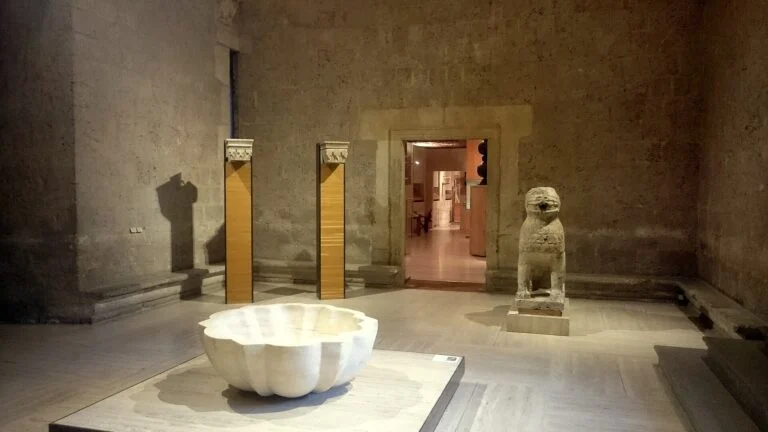
MARQ’s collections reflect the archaeological richness of Alicante province, which has yielded many finds across diverse periods. The museum displays materials from prehistoric settlements, showcasing early human presence in the region. Stone tools, ceramics, and remnants of ancient dwellings illustrate hunter-gatherer life and the gradual shift to farming communities. Highlights include artifacts linked to the Bronze and Iron Ages, such as weapons and jewelry, which trace local technological and social developments.
A particularly extensive section is dedicated to the Iberian culture, an indigenous group that flourished before Roman conquest. Visitors can see various Iberian sculptures, ceramics, and burial offerings, providing insight into the spiritual and artistic traditions of this elusive people. The museum's holdings also feature Roman remains, including everyday items, architectural fragments, and epitaphs. These objects convey the impact of Roman urbanism on Alicante, then known as Lucentum, and its role within the empire’s broader economic and military networks.
Medieval artifacts from the Visigothic period and Islamic rule highlight Alicante’s place as a crossroads during the Middle Ages. Items such as coins, ceramics, and elements of fortress architecture demonstrate cultural continuity and change in the region. This material evidence helps to fill gaps in written records about this transitional era. The museum also includes ethnographic elements like traditional tools and household objects, which provide context on historical livelihoods and the rural economy.
The displays tend to stress archaeological process and interpretation, often presenting finds in comparative frameworks and occasionally reconstructing ancient environments or settlement layouts. Visitors can expect explanatory panels that clarify excavation contexts and scholarly debates surrounding the objects, although the interpretation is generally accessible rather than technical.
Building and Setting
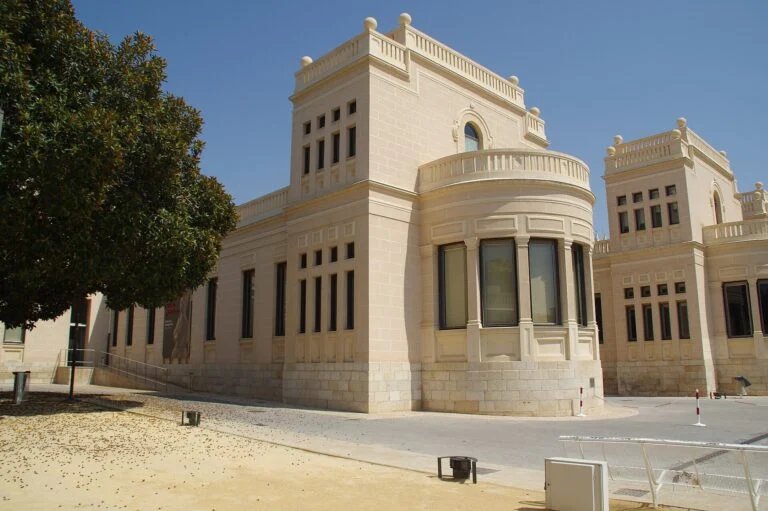
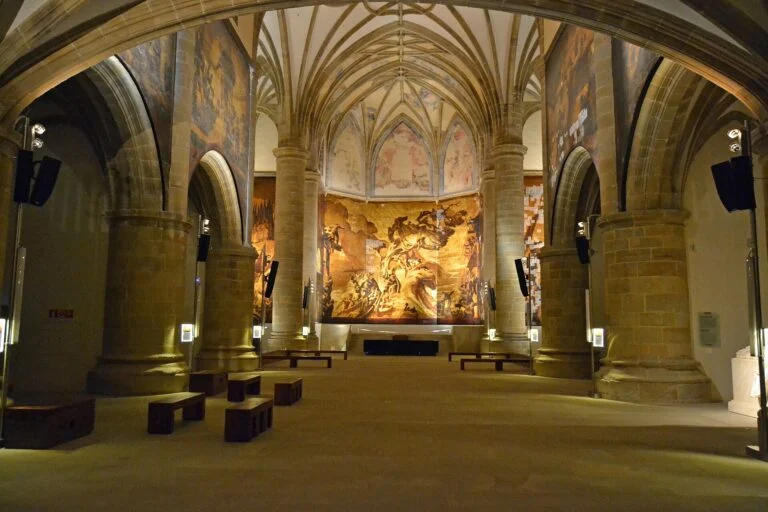
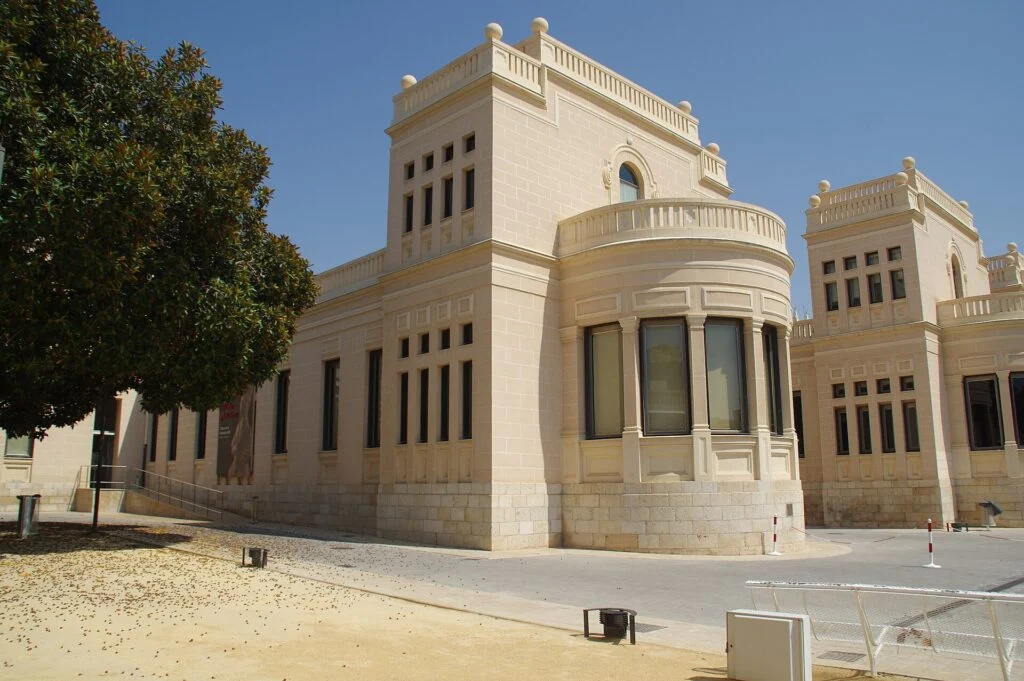
The museum is located in the city of Alicante, a Mediterranean coastal center with a rich history of its own. The building housing MARQ is a modern facility designed to support the preservation and display needs of archaeological material, with spaces calibrated for different types of exhibitions and research activities. It features galleries arranged to follow a roughly chronological route through the region’s history, with well-lit cases and ample room for circulation.
The museum’s setting in Alicante itself adds to its significance. Alicante’s position on the coast has long been a point of contact and conflict between different cultures, making the site of the museum an appropriate place to study these layers of history. While MARQ is not located adjacent to ancient ruins within the city, its role as a repository complements nearby archaeological sites. Visitors interested in combining their visit with field exploration of historical remains will find the possibility to do so in the province but should plan accordingly as the museum and sites are not always directly linked by public transport or signage.
Practical Information
While specific details about ticketing, opening hours, guided tours, or accessibility are subject to change, potential visitors should consult the official MARQ website for the most current information. This precaution is particularly important given the occasional variability in museum operations due to local events or seasonal adjustments.
The museum’s layout and displays are arranged to accommodate a wide range of visitor groups, including families and school parties, but the content is especially tailored to those who have some prior interest or knowledge in history or archaeology. MARQ’s exhibitions require a patient and attentive approach to appreciate the contextual information alongside the artifacts themselves.
Photography policies and visitor rules should be verified before arrival since these can influence how visits are conducted. Some exhibits may have restrictions on touch or photography, and educational programs or temporary exhibitions may be scheduled intermittently.
Why Visit
Choosing to visit the MARQ Archaeological Museum of Alicante offers a focused exploration of the archaeological heritage of a region that frequently falls outside the main touristic routes in Spain. It is particularly valuable for visitors who want a deeper understanding of Alicante beyond beaches and modern city life. The museum presents a rare, sustained archaeological perspective that respects local diversity and complexity rather than simplifying the past into national or popular narratives.
For those interested in the material culture of ancient Mediterranean peoples, MARQ provides a tangible connection to lives long past, through objects recovered from nearby terrain that illustrate day-to-day activities, religious practices, and community organization. It is a place where fragments of stone or pottery tell stories of adaptation, trade, and cultural transformation.
At the same time, visitors should approach MARQ with some awareness of its limitations. While its archaeological focus is thorough for the regional context, it is not meant to serve as a comprehensive survey of Spanish history or archaeology universally. The interpretation, while clear, may lean more on the academic side compared to museums designed primarily for casual tourism. Those seeking broader historical panoramas or more interactive presentations might find MARQ more traditional in its display style.
In short, the MARQ Archaeological Museum of Alicante suits inquisitive travelers who appreciate detailed archaeological narratives and whose interests lie in the foundations of Mediterranean history as seen through the lens of Alicante’s distinctive past. The museum bridges scholarly research and public education in a setting designed for thoughtful reflection on the passage of time in this part of Spain. Those with a focus on Mediterranean archaeology, cultural history, or the evolution of regional societies will profit most from the visit. For everyone else, it offers a quiet, instructive experience about a notable Spanish province’s heritage.