Ulster Museum
Belfast, United Kingdom. The Ulster Museum, located in Belfast, Northern Ireland, is a prominent cultural institution combining art, history, and natural science under one roof. It is part of the National Museums Northern Ireland group and aims…
Best forMuseum lovers, culture travelers, first-time visitors
Setting / nearbyBelfast, United Kingdom
Overview
The Ulster Museum, located in Belfast, Northern Ireland, is a prominent cultural institution combining art, history, and natural science under one roof. It is part of the National Museums Northern Ireland group and aims to present diverse aspects of Northern Ireland's heritage alongside broader topics of interest. This makes it a multidisciplinary museum serving a wide range of audiences, from local residents to international visitors. Rather than focusing on a single theme, the museum provides a composite view of history, archaeology, fine art, and natural history, reflecting the complexity and richness of the region’s past and environment.
Its role is both educational and cultural, providing visitors with opportunities to explore topics from the prehistoric era to contemporary art. The Ulster Museum seeks to balance accessibility with scholarly content, often displaying objects and artworks that highlight Northern Ireland’s identity. The museum’s development over time has shaped it into a resource that traces local stories while placing them within a global context.
Collection Highlights
The collections at the Ulster Museum are varied, covering fine art, historical artifacts, archaeology, and natural sciences. Visitors can expect to encounter archaeological finds from across Northern Ireland, including items from the Bronze and Iron Ages and important medieval pieces. These highlight the long history of human settlement in the region and its evolving cultural landscape.
The art collection spans several centuries and includes an array of paintings and sculptures. There is a notable concentration on Irish artists and themes, though the museum also includes pieces of international significance. This allows visitors to see the progression and influences on Irish art alongside wider artistic movements. The art collection is not limited to one style or period, offering a diverse experience that ranges from traditional landscapes to more modern and contemporary works.
Natural history is another significant part of the Ulster Museum. Exhibits include extensive displays on local wildlife, geology, and botany. This portion of the museum provides insight into the environment of Northern Ireland, illustrating the connection between people and the natural world. Specimens, dioramas, and interactive exhibits help communicate these scientific themes in ways that are accessible to both specialists and general visitors.
Historical artifacts in the museum give a sense of Northern Ireland’s social and cultural changes, including material culture from the 19th and 20th centuries. This includes items that reflect everyday life, industry, and political history. These objects can give visitors a tangible connection to the experiences of past generations, adding depth to understanding local history.
Building and Setting
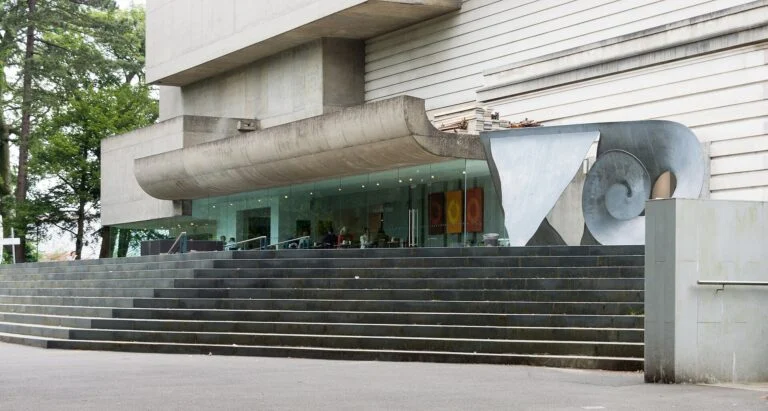
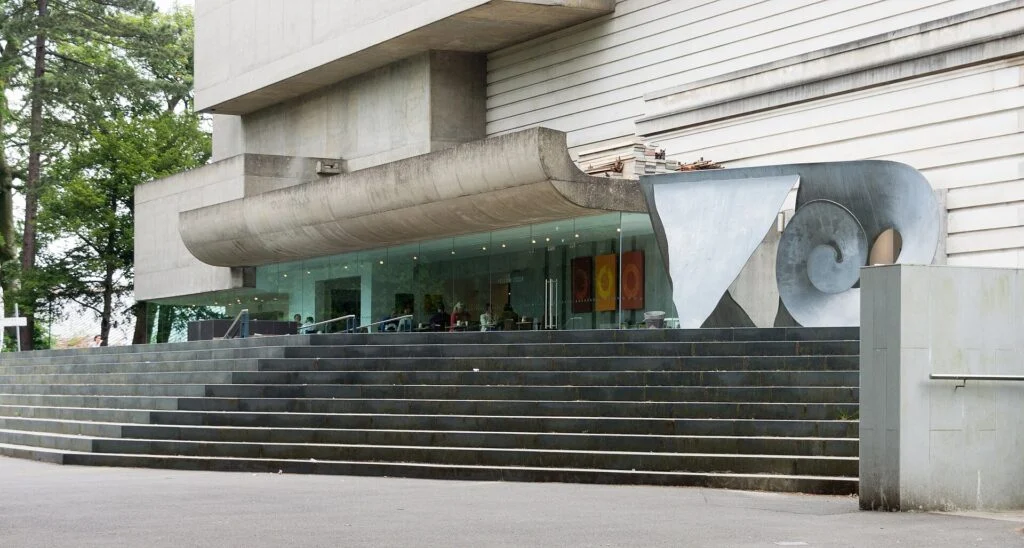
The building housing the Ulster Museum is situated within Belfast’s Botanic Gardens, a city park that provides a leafy and relatively peaceful environment close to the city center. This location allows easy access for visitors while offering a green setting that complements the museum's natural history collections.
The architecture of the museum itself is a mix of styles, reflecting its phased development and expansions since its establishment. The design integrates with the surrounding gardens to some extent, though the building is a substantial and modern structure rather than a historic edifice. The internal layout divides the museum’s various collections into separate galleries, accommodating different thematic areas with dedicated spaces.
Because the museum combines art, history, and science, its layout can feel quite spacious but also complex. Visitors may want to prepare ahead to navigate efficiently, especially when time is limited. The setting in Botanic Gardens means that a visit can be paired easily with outdoor activities or nearby attractions, although these lie outside the museum itself.
Practical Information
Details such as opening hours, admission prices, tour availability, and accessibility features can fluctuate, so prospective visitors should consult the Ulster Museum’s official website before planning their visit. The museum’s policies may change depending on the time of year or due to public health guidelines, so current information is important.
While the museum’s central location in Belfast makes it accessible by public transport and relatively straightforward to reach, practical arrangements for parking and visitor facilities should be checked in advance, especially during weekends or holidays when local traffic and visitor numbers might increase.
Visitors interested in guided tours or additional educational services should inquire with the museum directly to confirm availability. Given the size and scope of the collections, the museum may offer different kinds of programming, though these are not guaranteed at all times. Facilities such as cafés and shops might be present but should again be confirmed by current sources.
Why Visit
The Ulster Museum offers a variety of experiences that appeal to those interested in Northern Ireland’s culture, art, and natural environment. It is not a single-subject museum but rather a cultural hub that reflects the intersection of different fields of knowledge and creativity. This can make it especially suitable for visitors who appreciate museums that cover multiple areas or those looking to gain a deeper understanding of Northern Ireland as a place.
The museum’s blend of archaeology and local history provides valuable context for the region’s heritage, while the art collections showcase important Irish contributions to visual culture. Natural history displays enhance an appreciation for the environment and science, rounding out the museum’s interdisciplinary approach.
For families, students, and general visitors, the varied galleries offer something of interest across age groups and interests, although its diverse content may not always allow for concentrated focus on one subject without some planning. The museum’s urban park setting and nearby amenities add to the convenience of a visit, allowing for breaks and complementary activities.
One limitation to consider is that the Ulster Museum’s large and varied collections mean that it might be challenging to see everything in one visit fully. Visitors with particular interests may want to research in advance to target sections likely to appeal most to them.
Overall, the Ulster Museum holds a steady place within Belfast’s cultural landscape. It is suitable for those seeking a broad yet detailed introduction to the region through art, history, and nature. It can also serve as a starting point for anyone wanting to explore Northern Ireland’s place in broader historical and scientific narratives.
Before visiting, checking the official website for the latest updates on access and programming will help ensure a smoother and more informed experience. The Ulster Museum remains an accessible and informative institution with a clear dedication to representing Northern Ireland’s multifaceted story.