Museo dell’Opera del Duomo Review
Florence, Italy. The Museo dell'Opera del Duomo is situated in Florence, Italy, a city synonymous with Renaissance art and architecture. This museum is dedicated to preserving and displaying works originally created for the Cathedral of Santa…
Florence, Italy. The Museo dell'Opera del Duomo is situated in Florence, Italy, a city synonymous with Renaissance art and architecture. This museum is dedicated to preserving and displaying works originally created for the Cathedral of Santa…
Best forMuseum lovers, culture travelers, first-time visitors
Review focusCollections, visitor experience, and practical planning
Historical Context
The Museo dell'Opera del Duomo is situated in Florence, Italy, a city synonymous with Renaissance art and architecture. This museum is dedicated to preserving and displaying works originally created for the Cathedral of Santa Maria del Fiore, the Baptistery, and Giotto’s Campanile, all of which form the emblematic complex of Florence’s cathedral. Established in the late 19th century—specifically in 1891—the museum was conceived to safeguard the original sculptures and artworks that were gradually removed from the cathedral itself for protection and conservation purposes.
Florence’s Duomo, with its distinctive dome engineered by Filippo Brunelleschi, has been a focal point for artistic innovation and religious devotion since the 13th century. The museum thus serves as a repository not only of significant religious art but also of the city’s evolving artistic heritage, documenting centuries of sculptural and architectural achievement tied closely to Florence’s civic and spiritual life. Its collection is central to understanding the progression from medieval iconography to Renaissance humanism, reflecting changes in artistic techniques, theological themes, and cultural ambitions.
The Museo dell'Opera del Duomo played a pivotal role in the broader movement to preserve Florence’s monumental heritage, especially as urban development and exposure to the elements threatened original artworks. By relocating original sculptures, statues, and fragments to a controlled museum environment, the institution has maintained the integrity of works while allowing for detailed study and public appreciation. This historical context frames the museum not just as a gallery of relics but as a dynamic space where art, religion, and Florentine identity intersect.
What You See on Arrival
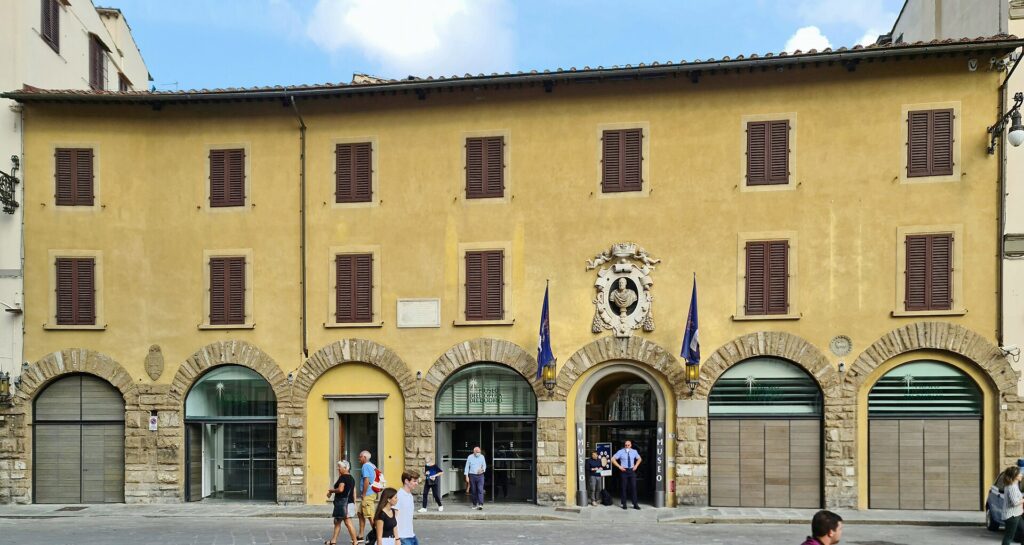
Upon approaching the Museo dell'Opera del Duomo, visitors are confronted with a building whose external architecture hints at the collection’s connection to the cathedral complex yet stands apart as a dedicated space for preservation and exhibition. The museum structure itself aligns with Florentine architectural traditions, with stone façades and restrained ornamentation, setting a tone of reverence.
From the outset, the institution establishes its identity as the custodian of original works removed from the Duomo and its surroundings. Rather than posing as a general art museum, it presents itself specifically as a repository for sculptural and architectural fragments that are integral to the story of the cathedral’s design and decoration. This framing reassures the visitor that the visit will focus on the original artistic creations tied to one of Florence’s most significant religious sites.
Inside the entrance area, the orientation directs attention to the scale and craftsmanship of the sculptures. The initial impression often contrasts with the grandeur seen outside on the façade of the cathedral. The museum emphasizes intimate engagement with artworks that would otherwise be overlooked or weathered by centuries of exposure. This setting primes visitors to consider questions of artistic process, materials, and the role of each piece in the greater architectural narrative.
Overall, the arrival experience is structured to introduce the museum as a place of both historic preservation and detailed artistic appreciation, rather than a conventional gallery of painting or decorative arts.
Highlights and Key Exhibitions
The Museo dell'Opera del Duomo’s collection is predominantly focused on sculpture, architectural fragments, and reliefs originally created for the Duomo complex, spanning from the 12th to the 16th centuries. These works document the evolution of Florentine art over several centuries and include examples from some of Italy’s most accomplished sculptors.
One of the most significant pieces housed here is the original “Gates of Paradise” by Lorenzo Ghiberti. These gilded bronze panels once served as the east doors of the Baptistery before being replaced by replicas for protection. Their detailed relief scenes narrate Biblical stories with a precision and perspective that influenced Renaissance art profoundly. The museum setting allows visitors to examine these panels up close, revealing craftsmanship and iconography often lost when viewed only from a distance on-site.
The museum also holds significant statues originally designed to adorn the cathedral’s façade or its buttresses, including works by Donatello, Michelangelo, and other prominent sculptors. For example, Michelangelo’s unfinished masterpiece “The Deposition” presents a rare glimpse into his sculptural technique and the challenges faced when working on such a monumental commission. This piece offers insight into the artist’s evolving style and the demands of religious sculpture in Florence.
Another highlight includes the statues of the prophets and patriarchs created by various artists, which were once intended for placement in niches on the cathedral’s exterior. Their varying states of completion and styles illustrate changes in artistic trends and theological emphasis over time. The museum’s arrangement of these statues encourages comparisons between the evolving uses of form, gesture, and expression in public religious art.
Embedded throughout the museum are also fragments of marble reliefs, architectural details, and panels related to the construction and decoration of the cathedral. These smaller elements provide context about the working methods of artisans, the ambiguities of iconographic programs, and the collaborative nature of large-scale urban religious projects.
Highly relevant are the tools, models, and drawings documented within the museum’s thematic displays, illustrating the technical challenges encountered by the cathedral’s builders and artists. This sheds light on the construction of Brunelleschi’s dome and the innovations it required.
While the museum does not focus heavily on painting or decorative arts, it does include select examples of drawing and design materials connected to the cathedral’s projects, offering a fuller picture of the artistic process.
The broad span of the collection—from early medieval reliefs, through late Gothic sculpture, to Renaissance and Mannerist art—makes this museum essential for understanding Florentine religious art and architecture. It documents the evolution of artistic styles in relation to one of Italy’s most important religious buildings, reflecting shifts not only in aesthetics but also in theological and civic identity.
Visitor Experience
The Museo dell'Opera del Duomo caters to a specialized audience—those interested in art history, sculpture, religious iconography, and architectural history. It assumes a certain level of familiarity with Renaissance art, even while offering sufficient explanation and interpretation for general visitors.
The museum layout is generally logical, with artworks arranged both chronologically and thematically. This organization facilitates a gradual understanding of artistic development and the functional roles of sculptures within the cathedral complex. The spatial flow is conducive to detailed examination of artworks, with room given for close inspection that is rarely possible at the original outdoor sites.
Interpretative materials include wall texts, labels, and graphic panels that provide historical background, artist biographies, and technical information. These are generally clear and informative without excessive jargon, assisting visitors in appreciating the significance of the works, their condition, and provenance.
At the same time, the museum’s focus on sculpture and architectural fragments means that visitors looking mainly for paintings or frescoes might find the collection narrower than expected. The museum does not attempt to cover the full spectrum of Florentine art but concentrates on this specific artistic and historical niche.
Certain sculptures, especially those left unfinished or fragmented, may challenge visitors unfamiliar with sculptural technique or Renaissance aesthetics. Nevertheless, the museum presumes visitors will be willing to engage more deeply with artistic form and history rather than seeking pure visual spectacle.
Lighting and display conditions are generally suitable for preserving delicate materials while allowing viewers to examine detail. The museum avoids overwhelming visitors with excessive numbers of objects or overly dense displays, though those seeking a more spacious or theatrical presentation might consider this approach more academic and restrained.
Overall, the visitor experience rewards those with particular interests in sculpture and cathedral art, while casual tourists might find some areas less engaging due to the specialized nature of the exhibits.
Tickets, Access, and Planning
Information regarding tickets, opening hours, and visitor services can change, so potential visitors should consult the museum’s official website for the most current details before planning a visit. This is especially important in Florence, where seasonal changes and restoration work may affect access.
The museum has a central location close to the Duomo complex, making it straightforward to include as part of a broader exploration of Florence’s historic center. It is generally recommended to allow sufficient time to appreciate the detailed sculptures and related materials, although visit length will depend on individual interest.
Due to the nature of the artworks—many of which are preserved for long-term conservation—visitors should expect certain restrictions, such as limited touching or flash photography. The museum environment is typically controlled for temperature and light exposure to protect the fragile materials.
Given the museum’s specialized focus, it may not offer as many amenities as larger, multi-disciplinary institutions. Prospective visitors should verify the availability of tours, audio guides, and accessibility features in advance for a comfortable visit.
Final Verdict
The Museo dell'Opera del Duomo holds a distinctive place within Florence’s rich artistic landscape. It is not a general art museum but a carefully curated space devoted to original sculptures, reliefs, and architectural elements from one of Italy’s most celebrated religious complexes. The museum provides vital context for understanding the artistic, religious, and civic ambitions expressed through the cathedral’s fabric.
Its collection offers significant highlights like Ghiberti’s Baptistery doors and Michelangelo’s “Deposition,” as well as numerous statues and fragments that chart the evolution of Florentine sculpture and theological narration. This focus on original media, much of which was removed to preserve it from environmental damage, means visitors encounter artworks in better condition than those still on the cathedral’s exterior.
While the museum’s orientation and exhibition style serve visitors interested in art historical detail and sculpture well, those unfamiliar with the nuances of religious iconography or Renaissance sculpture might find some aspects challenging. The museum’s deliberate pacing, emphasis on close viewing, and restrained interpretative approach favor thoughtful engagement over superficial browsing.
Its proximity to other well-known Florence landmarks makes the Museo dell'Opera del Duomo a logical inclusion for those with a keen interest in Renaissance art or cathedral architecture. Due to its specialized nature, it is less suited for visitors seeking an overview of Florentine painting or a more diverse cultural experience.
In summary, the Museo dell'Opera del Duomo is a focused institution with a significant collection crucial to understanding Florence’s artistic heritage within the context of the Cathedral of Santa Maria del Fiore. Visitors with an interest in sculpture, architectural history, and the development of religious art will find it rewarding. Others may wish to balance their itinerary with broader Florentine museums or galleries for a more varied experience.