Luxor Museum Review
Luxor, Egypt. The Luxor Museum is situated in the ancient city of Luxor, Egypt, a location synonymous with Pharaonic history and monumental archaeology. Established in 1975, the museum was created to house and display artifacts recovered…
Luxor, Egypt. The Luxor Museum is situated in the ancient city of Luxor, Egypt, a location synonymous with Pharaonic history and monumental archaeology. Established in 1975, the museum was created to house and display artifacts recovered…
Best forMuseum lovers, culture travelers, first-time visitors
Review focusCollections, visitor experience, and practical planning
Historical Context
The Luxor Museum is situated in the ancient city of Luxor, Egypt, a location synonymous with Pharaonic history and monumental archaeology. Established in 1975, the museum was created to house and display artifacts recovered from the Luxor region, particularly from the nearby temples and tombs along the Nile's east bank. These sites include the Karnak Temple Complex and the Valley of the Kings, some of Egypt’s most significant archaeological zones. The museum’s foundation came about as part of a broader effort during the 20th century to provide a dedicated, modern space for local antiquities, allowing artifacts to be preserved and studied within their geographical and historical context.
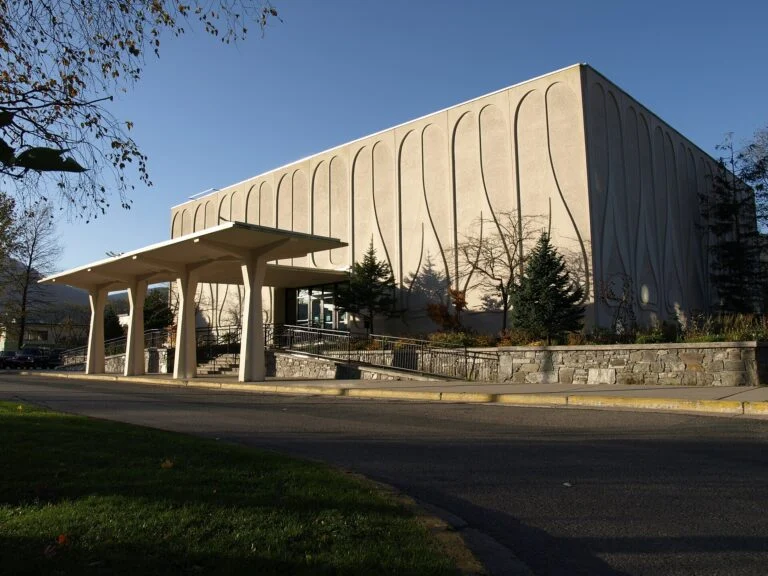
The design of the Luxor Museum reflects a mid-century modern aesthetic, emphasizing simplicity and clarity, deliberately avoiding the grandiose styles sometimes favored in other Egyptian museums. This focus ensures that the objects themselves remain the center of attention. The collection complements rather than competes with that displayed in Cairo’s Egyptian Museum by concentrating on pieces excavated specifically from the surrounding region. Over the decades, the Luxor Museum has become an essential repository for funerary sculpture, jewelry, statuary, and artifacts related to the New Kingdom period, shedding light on Luxor’s role as a religious and political hub in ancient Egypt.
What You See on Arrival
Approaching the museum, visitors are greeted by a relatively compact building set apart from the hustle of Luxor’s tourist-heavy thoroughfares. The architecture suggests a deliberate intention to create a calm, focused environment instead of a sprawling complex. Rather than being overwhelmed by scale, the visitor’s experience begins with an impression of clarity and organization. The exterior design and setting offer little distraction, directing attention inward to the holdings.
The layout introduces a modest yet carefully curated experience that signals a focus on quality and context over quantity. First impressions emphasize accessibility to both specialized and general audiences, presented in a way that makes the remarkable artifacts approachable without dilution. The museum’s identity is clear: it is a place for serious study and appreciation of ancient Luxor’s legacy. Labeling and exhibition design are generally streamlined to keep the visitor oriented, inviting exploration that respects the artifacts’ weight and cultural significance.
Highlights and Key Exhibitions
The Luxor Museum’s strength lies in its focused collection of objects drawn mainly from the New Kingdom period (circa 1550-1070 BCE), when Luxor—known in antiquity as Thebes—was an imperial capital. This timeframe offers insight into some of Egypt’s most artistically sophisticated and politically influential centuries.
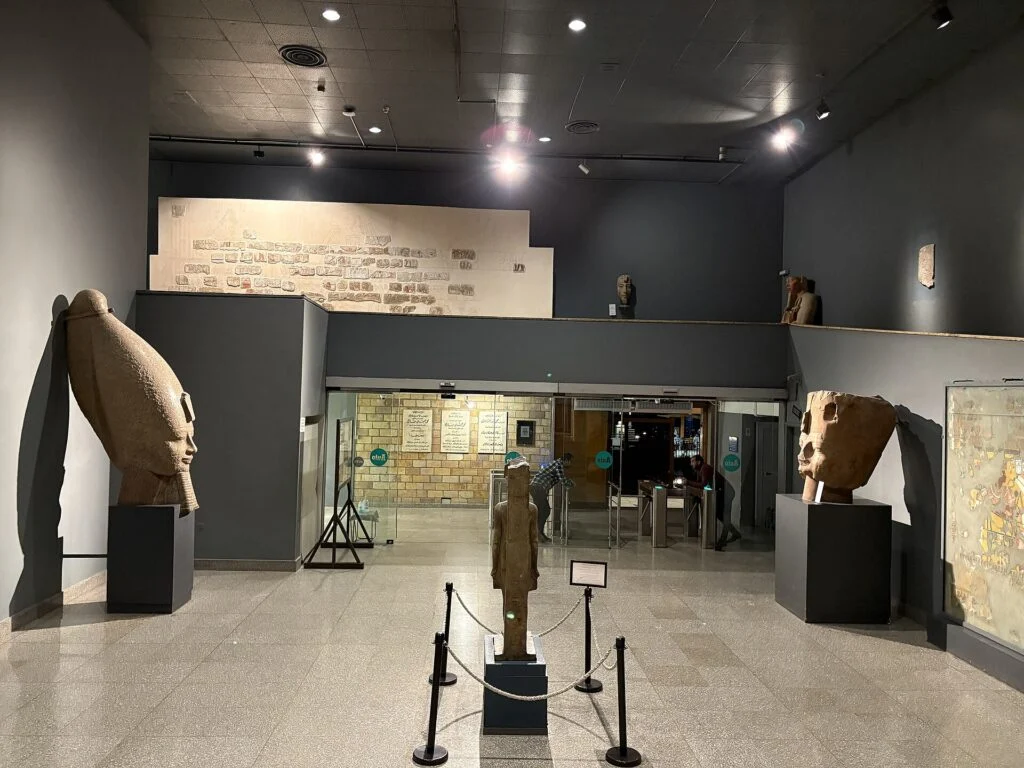
One of the museum’s defining features is its display of statues from the temple of Amenhotep III and other New Kingdom temples in the area. These statues, many in an exceptional state of preservation, demonstrate the skill and aesthetic values of ancient Egyptian sculptors under royal patronage. Among these are life-size statues of pharaohs and deities that attest to the religious and political power intertwined at the time. The statues are arranged to facilitate comparative viewing, encouraging visitors to appreciate subtle variations in style and iconography.
Another highlight is the collection of funerary artifacts, including coffins, jewelry, and everyday items found within necropolises such as that in the Valley of the Kings. The museum offers some of the most intelligible presentations of burial practices and associated religious beliefs. Artifacts relating to Tutankhamun, although not as famous or numerous here as in Cairo, complement the broader narrative of Luxor’s mortuary landscape.
Of particular note is the exhibition of jewelry that exemplifies the craftsmanship around Luxor, featuring gold, semi-precious stones, and intricate design. These pieces provide a tangible connection to the elite lifestyles and funerary practices of the era.
The museum also houses well-curated displays of pottery, tools, and amulets from various periods, providing a more rounded view of daily life and craft in the region across centuries. Together, these exhibitions make the Luxor Museum a concentrated study in the region’s archaeology and artistic production.
However, it is important to acknowledge the museum’s relatively modest size. The collection, while focused and high quality, cannot rival the breadth of Egypt’s national museums. Temporary exhibitions have been rare or minimally promoted, so the museum’s appeal rests largely on its permanent collection. Visitors seeking extensive coverage of Egypt’s entirety or other periods may find this limiting.
Visitor Experience
The Luxor Museum suits both dedicated Egyptology enthusiasts and moderately interested visitors who appreciate coherent storytelling through artifacts. Its manageable scale permits a paced experience that is neither overwhelming nor hurried, potentially allowing deeper engagement with individual pieces.
Exhibition design favors clear sightlines, thoughtful lighting, and accessible descriptions. Labels often provide essential context — including provenance, archaeological significance, and relevant iconographic explanations — which supports self-guided exploration. Nevertheless, the availability and quality of interpretive materials such as multilingual texts or audio guides are variable and should be confirmed before visitation.
The museum’s central focus on New Kingdom artifacts is an asset for thematic cohesion but limits exposure to earlier or later Egyptian history. Visitors should adjust their expectations accordingly. While the Luxor Museum captures the essence of Luxor’s ancient past, it does not attempt to tell the whole story of Egypt’s civilizations or its post-Pharaonic eras.
Visitor flow is likely straightforward, aided by clear pathways and a compact footprint, which reduces confusion or fatigue often associated with larger museums. The surrounding city’s tourist infrastructure supports reaching the museum, though information typically advises confirming transport and opening details ahead of time given potential variability.
Tickets, Access, and Planning
The Luxor Museum is a significant cultural stop for those touring Luxor’s archaeological sites, but practical visitor information merits careful verification due to possible changes in operations. Official sources should be consulted for up-to-date details on admission policies, operating hours, access provisions, and any COVID-19-related requirements in force.
Specific visitor amenities may be limited compared to larger institutions. Tour offerings and audio guide availability tend not to be guaranteed and should be investigated before planning. The museum does not offer extensive commercial facilities such as shops or cafés on site, suggesting visitors make arrangements accordingly.
Accessibility for visitors with mobility challenges typically requires confirmation, especially given the museum’s building age and location on the Nile’s east bank where older infrastructure is common. Parking and transport options are available in the city, but understanding local arrangements ahead of visitation helps minimize delays.
For those basing themselves in Luxor or passing through en route to key archaeological destinations, the Luxor Museum presents a physically contained and thematically focused museum experience that fits well within short time frames if well coordinated.
Final Verdict
The Luxor Museum plays an important role in Egypt’s network of archaeological museums by focusing specifically on the Luxor region’s rich New Kingdom heritage. Its compact, thoughtfully curated collection presents a concentrated glimpse into a crucial period of Egyptian history marked by monumental architecture, artistic achievement, and complex religious traditions.
Visitors interested in Egyptian antiquity will find particular value in the quality and state of preservation for many statues, funerary goods, and decorative arts relevant to Luxor’s past. The museum’s clear, uncluttered presentation style enhances accessibility without sacrificing scholarly rigor, making it suitable for a range of audiences from specialists to informed tourists.
On the other hand, the institution’s modest size and limited chronological scope will not satisfy those expecting a comprehensive overview of Egypt’s entire ancient history or the diverse cultures that influenced it. Its offerings must be viewed as complementary to the broader archaeological experience Luxor itself presents, particularly in relation to its major temple and burial sites.
Planning ahead is advisable due to variable visitor services and the need for up-to-date logistical information. Nonetheless, the Luxor Museum represents a valuable stop for those aiming to understand the local dimension of Egypt’s storied past in a museum setting designed to respect and highlight its unique archaeological treasures.