Museo de Arte de El Salvador Review
Art Museums · San Salvador, El Salvador. The Museo de Arte de El Salvador (MARTE) stands as an important institution in San Salvador, offering insight into the country’s artistic heritage within a broader cultural framework. Founded in the early 1970s, MARTE…
Art Museums · San Salvador, El Salvador. The Museo de Arte de El Salvador (MARTE) stands as an important institution in San Salvador, offering insight into the country’s artistic heritage within a broader cultural framework. Founded in the early 1970s, MARTE…
Best forArt lovers, visual culture, architecture
Review focusCollections, curatorial focus, and visitor planning
Historical Context
The Museo de Arte de El Salvador (MARTE) stands as an important institution in San Salvador, offering insight into the country’s artistic heritage within a broader cultural framework. Founded in the early 1970s, MARTE was conceived during a time when El Salvador was navigating complex social and political currents that influenced its cultural production and national identity. While the nation contended with internal unrest and economic challenges, the museum emerged as a venue dedicated to the preservation and promotion of Salvadoran art, helping to codify a national visual language in the latter half of the twentieth century.
Over subsequent decades, MARTE expanded its collection and scope, growing from a relatively modest institution to one with a diverse range of artworks spanning different movements, styles, and media. This progression mirrors El Salvador’s evolving cultural scene, reflecting shifting artistic concerns from traditional forms to more contemporary expressions influenced by global art trends and political realities. The museum’s role has been not only to house art but to document and present Salvadoran culture’s visual narrative, marking its place amid regional and international artistic dialogues.
What You See on Arrival
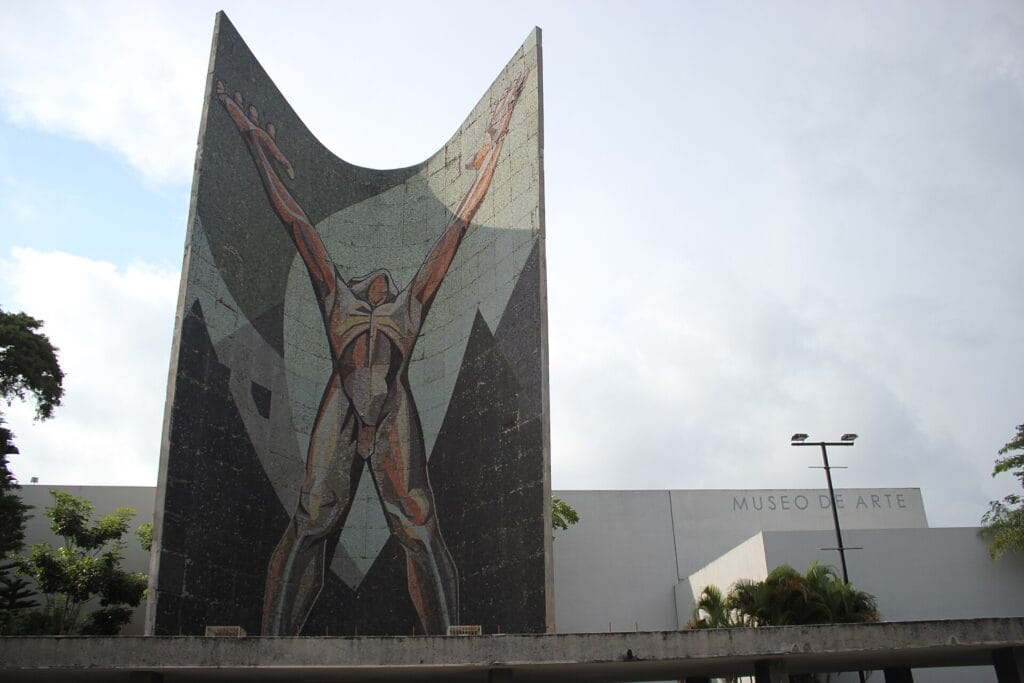
Approaching the Museo de Arte de El Salvador, visitors encounter a building that aligns with its purpose as an art institution focused on national identity and creativity. While not a grandiose landmark in architectural terms, the structure signals seriousness and accessibility. Its façade and entrance typically offer modest design cues prioritizing functionality and clear signage rather than monumental ambition. This presentation reflects a museum that positions itself as a civic resource dedicated to cultural continuity and public education rather than spectacle.
Inside, the visitor’s introduction to MARTE is oriented around establishing the museum’s identity as a home for Salvadoran artists alongside important Central American works. The institution makes its mission transparent through initial gallery spaces or lobby area displays, with framed photographs, written histories, or introductory panels that outline the museum’s founding principles and collections. This framing helps visitors contextualize the experience from the outset, with a focus on understanding local artistic narratives, rather than an emphasis on international comparative scale.
Highlights and Key Exhibitions
The core strength of MARTE lies in its permanent collection, which offers a substantial overview of Salvadoran art, largely focused on the twentieth and twenty-first centuries. The museum’s holdings include paintings, sculptures, drawings, and installations by prominent Salvadoran artists, many of whom responded to political tensions, social struggles, and cultural heritage in their work. Across successive galleries, the display traces artistic movements such as costumbrismo, expressionism, and certain strains of modernism, as well as more experimental contemporary practices.
Among the better-known figures represented are artists who engaged with the country’s civil conflict and issues surrounding identity. Their works utilize symbolism, social commentary, and visual storytelling to articulate personal and collective experiences. This narrative thread is a significant feature, providing the collection with depth beyond purely formal aesthetic assessments. MARTE’s emphasis on Salvadoran artists ensures that visitors gain insight into how visual art has intersected with the nation’s history and social transformation.
In addition to Salvadoran creators, the museum’s collection occasionally includes pieces from broader Central America, allowing for a comparative perspective within the region. This inclusion helps situate El Salvador within a larger artistic context, both culturally and stylistically. Yet, the focus remains clearly on national art, which may limit appeal for visitors seeking a wide-ranging international overview but serves those particularly interested in Salvadoran culture well.
The museum also accommodates several thematic rooms or chronologically arranged galleries, aiding in a coherent visitor journey through the changing art of the country. Some installations make use of mixed media, providing texture and material diversity, although the bulk of the collection emphasizes more traditional forms such as painting. The presence of indigenous motifs or references is occasional, reflecting an ongoing, sometimes cautious engagement with pre-colonial heritage.
Visitor Experience
The overall visitor experience at MARTE is shaped by its clear curatorial focus and the relatively compact scale of its galleries. For those invested in Salvadoran culture and art history, the museum offers substantive content without overwhelming complexity or excessive crowds. The layout typically allows for quiet reflection and a paced engagement with the artworks.
Interpretive materials tend to be straightforward, often relying on bilingual or Spanish-language wall texts that provide necessary background without excessive jargon. This approach suits a broad audience, including local visitors and regional tourists, though those without Spanish proficiency may find some interpretive depth harder to access if translations are not uniformly applied. The museum’s tone favors education and cultural pride rather than challenging curatorial experimentation, which aligns with its public mission.
MARTE may present challenges for visitors expecting more digitally integrated or interactive experiences, as such amenities are not extensively documented in general sources. While traditional exhibition methods prevail, this can appeal to those who prefer direct encounters with physical artworks over mediated displays. The pacing through the galleries supports a reflective visit, but those less familiar with Salvadoran history might need supplementary context from external sources to fully appreciate certain works.
Limitations include the museum’s defined scope, which principally centers on Salvadoran art, meaning it is less suited for visitors seeking broader global art narratives. The collection, while strong in its domain, does not claim exhaustive coverage of contemporary international trends or older European art. Moreover, facilities and signage may not always meet the standards of larger metropolitan museums in high-tourism centers, though they generally fulfill necessary visitor needs.
Tickets, Access, and Planning
Details on admission fees, opening hours, and visitor services for MARTE vary over time, and potential visitors should consult the museum’s official website or contact the institution directly before planning a trip. Reliable, up-to-date information regarding current ticket prices, discounts, guided tours, audio guides, and accessibility features is best confirmed through official channels.
The museum’s location in central San Salvador makes it accessible within the urban fabric of the city, though transport options and parking logistics will depend on the visitor’s point of origin and travel arrangements. Given the local climate and urban conditions, visitors might consider planning their visit with the weather and traffic patterns in mind.
Final Verdict
The Museo de Arte de El Salvador offers a focused and meaningful encounter with Salvadoran visual art, providing valuable insights into the nation’s cultural history and artistic achievements. Its emphasis on national identity through art makes it a significant cultural institution for those interested specifically in Salvadoran and Central American art.
While the museum does not present a broad global context or highly experimental presentation formats, its collection strength lies in its clear and coherent narrative on local artistic development. The experience suits visitors who appreciate traditional exhibition styles and are eager to engage with the socio-political layers embedded in Salvadoran art.
Prospective visitors should temper expectations regarding large-scale amenities or extensive multilingual support but can expect a well-organized institution that takes seriously its role in preserving and promoting national art heritage. Appropriate preparation around visiting logistics and supplementary context will enrich the visit.
In sum, MARTE serves as an essential cultural repository in San Salvador for those prioritizing Salvadoran art history, balancing accessible displays with substantial content, though it is not aimed at those seeking sweeping international art coverage or high-end museum luxury.