Museo de Arte de El Salvador
Overview
The Museo de Arte de El Salvador, located in the capital city of San Salvador, serves as the national art museum of El Salvador. It offers a focused glimpse into the country’s artistic production, showcasing works spanning several decades of the twentieth century, and occasionally featuring contemporary and historical pieces tied to Salvadoran culture. This institution occupies a distinct place in the cultural landscape of El Salvador, preserving and exhibiting art that reflects the nation’s evolving identity. Unlike larger, more internationally oriented art museums, this venue primarily highlights the nation’s own artists, providing insight into Salvadoran artistic traditions, themes, and styles.
As an art museum dedicated to the visual arts of El Salvador, it helps fill an important role by anchoring the country’s cultural memory through its collections and exhibitions. Given El Salvador’s complex social history and turbulent recent past, the museum implicitly invites reflection on cultural production amid change and challenge. While the Museo de Arte de El Salvador does not seek to cover the full sweep of Latin American art, it does present a useful window onto Salvadoran creativity from the mid-1900s onward. Visitors interested particularly in regional art, Central American culture, and postcolonial national identities may find this museum particularly informative.
Collection Highlights
At the core of the Museo de Arte de El Salvador’s collection are paintings, sculptures, and graphic works by Salvadoran artists. The collection traces developments in style and subject matter from early modernism to more recent contemporary expressions. Some of the works chronicle narratives related to daily life, landscape, and national history, while others explore abstraction and conceptual approaches. The collection includes works from leading 20th-century Salvadoran painters and sculptors whose careers often intersected with political and social upheaval in the country.
Examples of the types of pieces you might encounter include figurative works depicting scenes from the Salvadoran countryside or urban life, as well as portraits and still lifes. There is also an emphasis on modernist tendencies that reflect international artistic trends filtered through local experience and interpretation. The museum may also host rotating exhibitions that supplement the permanent holdings, focusing on specific artists, movements, or thematic concerns relevant to Salvadoran art.
One aspect to note is that while the museum holds a strong national focus, visitors will not find extensive collections of pre-Columbian or indigenous art here. Instead, the emphasis is on the 20th century and contemporary periods. For those interested in the indigenous heritage of the region through its archaeological or ethnographic artifacts, other institutions in El Salvador might offer more specialized collections.
Similarly, the graphic arts and works on paper form a part of the collection that sheds light on printmaking and illustration in the Salvadoran context. Sculpture is present but not dominant, often exhibiting modernist influences in materials and form. The museum’s approach places the artists themselves in focus, with an effort to maintain the visibility and relevance of Salvadoran artistic voices both past and present.
Building and Setting
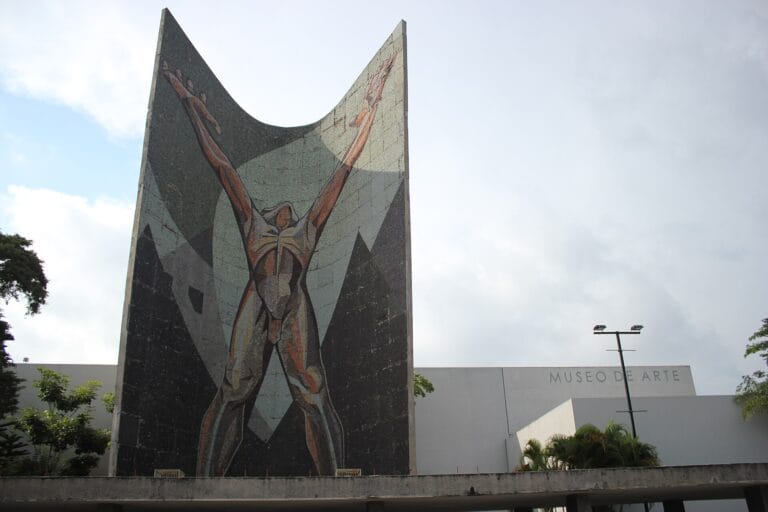
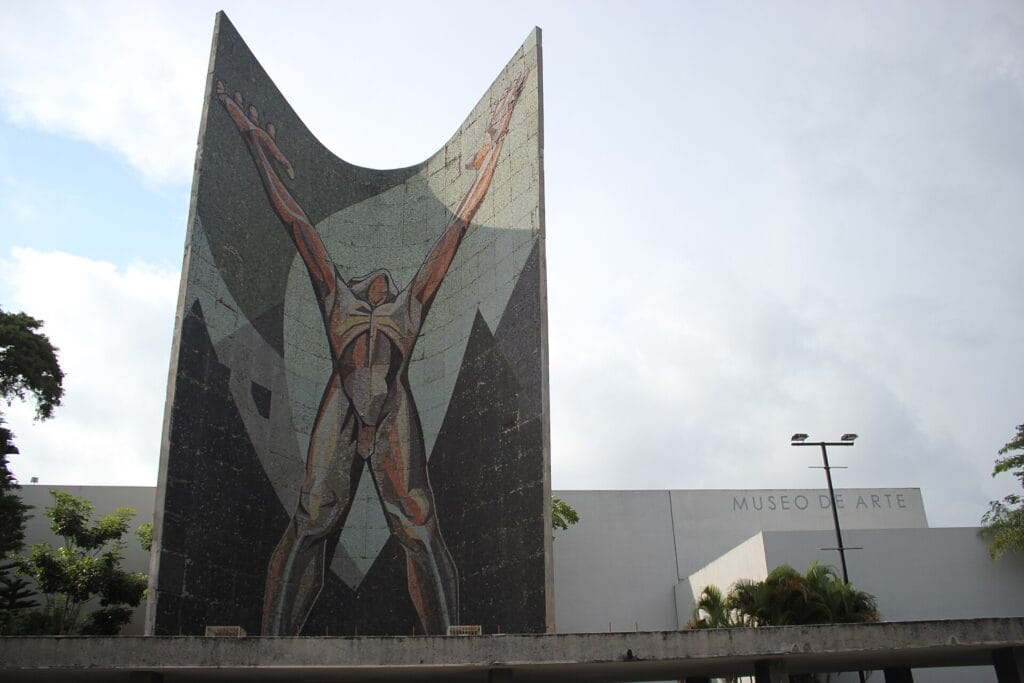
The museum is situated in San Salvador, El Salvador’s largest city and political capital, allowing relatively easy access for visitors already in the urban center. The building itself is designed to accommodate the display of artworks in several galleries that allow for chronological or thematic presentations. It is housed in a structure that prioritizes natural light and spatial flow suited to visual art exhibitions, although it is not an architectural landmark in the way some purpose-built international art museums are.
The setting within the city contributes to its role as a cultural hub, receiving local visitors such as students, artists, and residents interested in national culture, as well as tourists. The immediate neighborhood and city surroundings are typical of an urban environment in San Salvador, with the usual considerations of city traffic and urban activity. The museum’s location makes it part of the broader cultural and civic life of the capital, though it does not offer extensive grounds or garden spaces associated with some art museums.
The interior layout fosters a straightforward visitor experience. Galleries are arranged logically to support an understanding of the collection’s chronological or stylistic progressions. In addition to exhibition spaces, the museum may include areas for temporary exhibitions, educational activities, or meetings, but these facilities tend to be modest and functional rather than elaborate.
Practical Information
As with any cultural institution, it is best to check the Museo de Arte de El Salvador’s official website or contact the museum directly before planning a visit. This is particularly important for confirming current opening hours, admission conditions, any ticketing requirements, and the availability of guided tours or educational programs.
Visitors should be aware that large crowds or tourist seasons may impact the visitor experience, as the museum is a focal point for Salvadoran art within the city. While the museum caters to a general audience, those without some familiarity with modern or contemporary art might benefit from supplementary reading or an introductory overview to gain more from the exhibits.
Information about accessibility, parking, and on-site amenities such as cafés or shops is best obtained directly from official sources, given that such facilities can change or be limited. The museum’s staff are typically knowledgeable and can provide guidance to enhance the visit.
For those interested specifically in Salvadoran art, the museum’s exhibitions often reflect broader cultural discussions relevant to the region, though the museum primarily focuses on artistic expression rather than political or historical narrative alone. Planning a visit that includes other cultural or historical sites in San Salvador and beyond may provide useful context.
Why Visit
The Museo de Arte de El Salvador deserves attention from those who want to better understand national art in a Central American context. It offers a concentrated perspective on Salvadoran artistic output across the 20th century and into the present day. Visitors with an interest in how art intersects with identity, nationhood, and social change in a region less represented in global art institutions will find the museum meaningful.
While it does not attempt to rival larger Latin American museums in terms of collection size or international breadth, its specificity is a strength. It acts as a repository of Salvadoran creativity and a space for showing ongoing developments in the local art scene. This focus can deepen appreciation for artists who have worked amid challenging conditions, including political conflict and social transformation.
The museum also suits educators, students, and researchers looking for material on Salvadoran modern and contemporary art. It contributes to cultural preservation while also encouraging dialogue about the role of art in society. For general visitors, it offers an accessible and manageable introduction to the country’s visual arts heritage with works by artists whose names may be new to international audiences.
In summary, the Museo de Arte de El Salvador is a thoughtful resource rather than a commercial spectacle. It balances art appreciation with cultural education and local engagement. Visitors should approach it with an openness to discovering a sometimes underrepresented artistic tradition and a readiness to consider art within its Salvadoran social and historical contexts. Checking current information before visiting will ensure the best possible experience.