National Museum of Women in the Arts
Art Museums · Washington, D.C., United States. The National Museum of Women in the Arts is a specialized art museum located in Washington, D.C., dedicated exclusively to celebrating the achievements and contributions of women artists. Since its founding in the 1980s,…
Best forArt lovers, visual culture, architecture
Setting / nearbyWashington, D.C., United States
Overview
The National Museum of Women in the Arts is a specialized art museum located in Washington, D.C., dedicated exclusively to celebrating the achievements and contributions of women artists. Since its founding in the 1980s, the museum has positioned itself as a cultural institution addressing the persistent underrepresentation of women in the visual arts. Through its establishment, the museum seeks to highlight the diverse talents and histories of women artists, spanning a variety of periods and styles.
This museum occupies a distinctive place among the many art institutions in the United States capital. It is notable for focusing exclusively on women’s artistic production, ranging from historical to contemporary works. Its mission embraces both the recognition of overlooked figures and the support of current women artists, creating a dialogue that crosses centuries and genre boundaries. The museum thus offers an art-focused but socially conscious perspective within the broader Washington, D.C. museum landscape.
Visitors interested in gender studies, art history, or the development of artistic voices that have traditionally been marginalized will find this museum’s emphasis relevant and potentially enlightening. It provides an opportunity to engage with art from a lens different than the more mainstream art museums, where women artists have historically been underrepresented. However, visitors should prepare for a focused collection rather than an all-encompassing survey of art history or current art trends.
Collection Highlights
The collection concentrates entirely on artworks created by women artists. It includes paintings, sculptures, works on paper, photography, and decorative arts that represent a range of styles and mediums. The scope extends chronologically from the Renaissance to contemporary art. While the museum does not present an exhaustive view of every art movement, it offers a thoughtful representation of women’s artistic contributions across periods.
Among the collection highlights are works by well-known figures who played important roles in their artistic eras. For example, paintings and sculptures by artists like Mary Cassatt and Frida Kahlo are part of the museum’s holdings. These artists are well recognized in art history but are often less featured in comprehensive national collections compared to their male peers. The museum's presentation helps contextualize their work as part of a broader narrative about women’s artistic creativity and agency.
In addition to historically famous names, the museum also includes works by lesser-known or emerging artists. This places an emphasis not only on celebrating established achievements but also on expanding awareness of the variety and depth of women's creative output. Contemporary pieces may address current social issues or explore experimental approaches, adding a contemporary vitality to the collection.
The collection also extends to decorative arts and crafts, categories often neglected by other art museums yet significant in recognizing the full spectrum of women’s artistic endeavors. Textile arts, jewelry, and ceramics illustrate traditional and modern craft forms, helping to broaden the understanding of what constitutes artistic achievement.
While the collection is focused and by nature somewhat specialized, it offers multiple pathways that can engage varied interests such as portraiture, abstraction, realism, and mixed media work. The curatorial choices suggest a commitment both to artistic quality and to the museum’s broader cultural mission.
Building and Setting
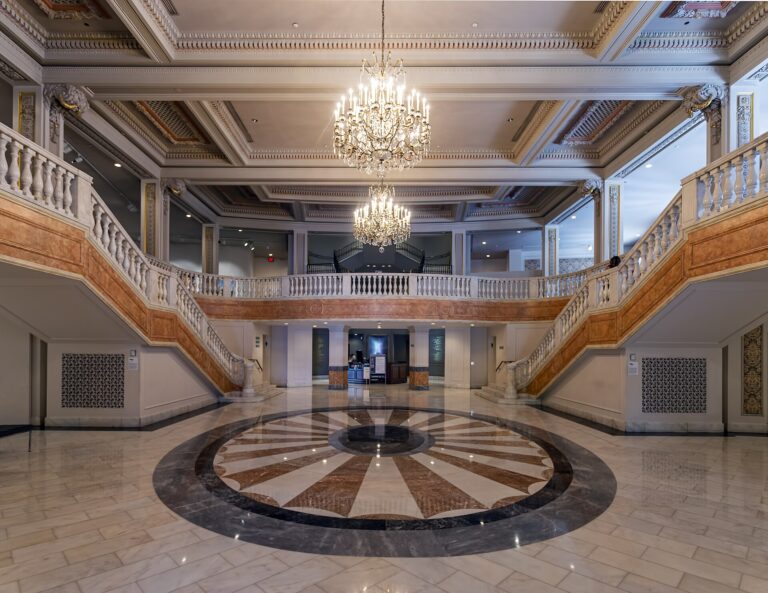
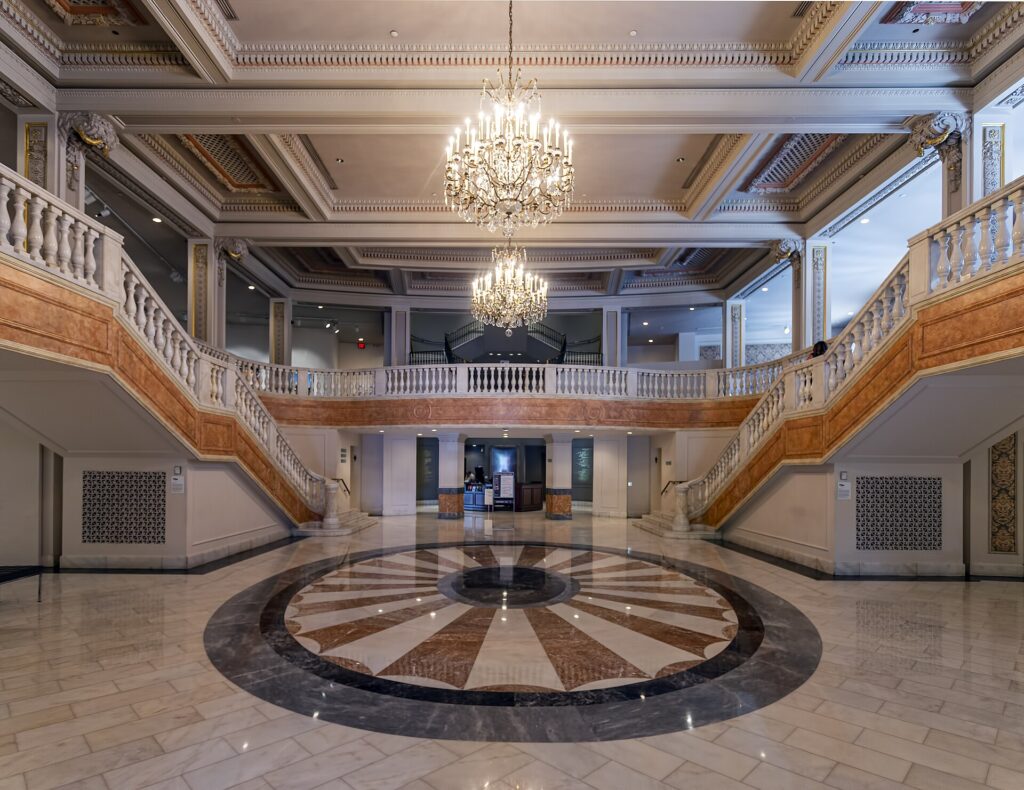
The museum is housed in a historic building in the heart of Washington, D.C., contributing to its atmosphere and accessibility. The structure itself was once a Masonic temple and has architectural features from the early 20th century, which provide spatial qualities quite different from a purpose-built modern museum. This setting offers an interesting contrast between the legacy of the building and the progressive focus of the museum’s collection.
Situated near other cultural institutions and landmarks, the museum is positioned within a dense urban context that facilitates easy inclusion in broader sightseeing plans. The building’s layout includes galleries on several floors, with spaces sized to accommodate both permanent collections and temporary exhibitions that change periodically. The historic architecture may impose some spatial constraints but also offers unique character and mood that shapes the exhibition experience.
The museum’s immediate surroundings offer limited outdoor space connected directly to the institution, but visitors can expect to find other amenities and services nearby given its central urban location. The neighborhood is a well-visited part of Washington and can be comfortably accessed by public transit or on foot from several notable sites.
Practical Information
For current details regarding admission, hours of operation, guided tours, audio guides, accessibility options, and possible special events, visitors should consult the official museum website or reliable sources prior to planning their visit. Such information can fluctuate, and it is advisable to verify arrangements especially if relying on specific services like audio tours or accommodations for mobility needs.
The museum’s size and layout mean that visit length can vary considerably depending on how in-depth a visitor wishes to explore the collections and exhibitions. Some visitors may find two hours adequate to see the permanent collection with a moderate pace, while others might spend more time, especially if temporary exhibitions or programs are available.
The location in a busy urban center offers reasonable opportunities for transport, though parking options and traffic conditions should be checked independently. The museum’s site does not specify details about dining or shopping facilities within the premises, so visitors should prepare accordingly.
Why Visit
The National Museum of Women in the Arts is a focused art museum offering an uncommon institutional profile in the U.S. art scene. It holds significance both for what it displays—the artistic achievements of women often overshadowed in the existing art historical narrative—and for what it symbolizes in terms of cultural recognition.
Visitors who prioritize exploring art from diverse perspectives will appreciate the museum’s dedication to showing how women’s voices have shaped and continue to influence the visually creative world. The museum encourages reflection on issues of representation and equity in art, which can enrich understanding beyond merely aesthetic considerations.
While the museum is not large enough to represent every facet of women’s contributions to art, it is sufficiently varied to captivate visitors interested in a multifaceted approach to art history and contemporary practice. It may be especially rewarding for educators, students, and those with an interest in social history intertwined with art.
At the same time, the museum’s concentration means it may be less appealing to those seeking breadth across all art schools or geographic regions without a specific focus. It serves well as a complementary destination for art lovers, particularly in Washington, D.C., where numerous other museums cover different artistic domains.
In summary, the National Museum of Women in the Arts stands as a significant cultural institution dedicated to recognizing and advancing women artists. It offers thoughtful exhibitions and a carefully curated collection in an architecturally interesting setting. Visitors informed about the museum’s focus and preparing accordingly should find a visit worthwhile for broadening their appreciation of art and gender history.