Museu Oscar Niemeyer
Curitiba, Brazil. The Museu Oscar Niemeyer in Curitiba, Brazil, is an art museum that also serves as a cultural space dedicated to architecture and design. It is named after Oscar Niemeyer, one of Brazil’s leading modernist…
Best forMuseum lovers, culture travelers, first-time visitors
Setting / nearbyCuritiba, Brazil
Overview
The Museu Oscar Niemeyer in Curitiba, Brazil, is an art museum that also serves as a cultural space dedicated to architecture and design. It is named after Oscar Niemeyer, one of Brazil’s leading modernist architects, renowned for his role in shaping much of Brazil’s mid-20th century architectural landscape. The museum's identity is closely tied to Niemeyer’s aesthetic, and this connection is visible both in its collection focus and its architectural form.
This institution is neither a conventional historical museum nor a traditional fine art gallery. Its core concerns span modern and contemporary art, design, and architecture, reflecting Brazil’s evolving cultural and artistic dialogues within these fields. As such, it occupies a distinctive position within Curitiba’s cultural offerings and Brazil’s wider museum scene, catering to visitors interested in modern visual culture and architectural heritage. The museum is positioned to appeal to a broad audience but is particularly relevant for those with an interest in how art and architecture intersect.
Collection Highlights
The Museu Oscar Niemeyer’s collection foregrounds visual arts and architectural projects, particularly those connected to modern and contemporary periods. While there may not be a comprehensive catalogue of every item publicly available, the museum hosts rotating exhibitions alongside a permanent collection that features graphic arts, paintings, sculpture, and architectural drawings or models.
The graphic arts component can include prints, drawings, and posters, some of which relate directly to Niemeyer’s architectural work or the broader narrative of modernism in Brazil. Painting and sculpture exhibitions often highlight both Brazilian and international artists, illustrating conversations within contemporary art movements through time.
One notable strength is the museum’s emphasis on architecture not only through exhibitions but also in its display methods and thematic programming. It serves as a platform for exploring architectural ideas and design principles, sometimes exhibiting scale models or plans that illuminate Niemeyer’s creative processes or that of his contemporaries.
Visitors interested in the interplay between artistic traditions and architectural innovation may find the collection illuminating. However, expectations should be calibrated: the museum avoids the encyclopedic approach to art history, focusing instead on specific modernist and contemporary viewpoints, particularly linked to Brazilian culture.
Building and Setting
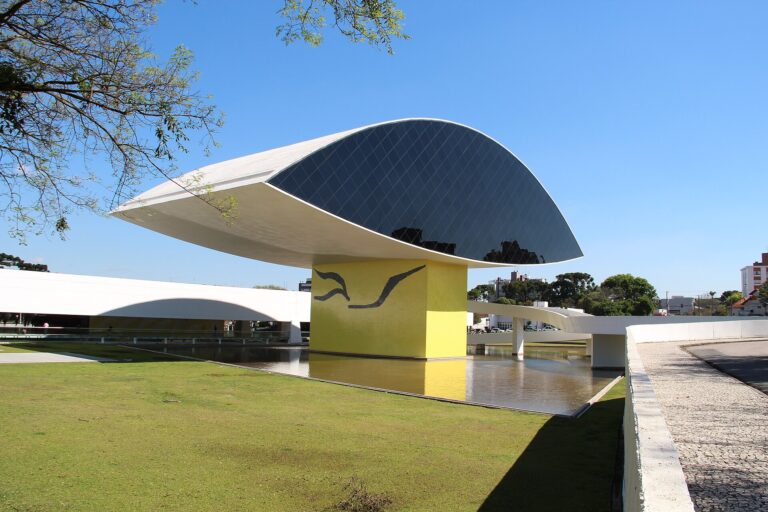
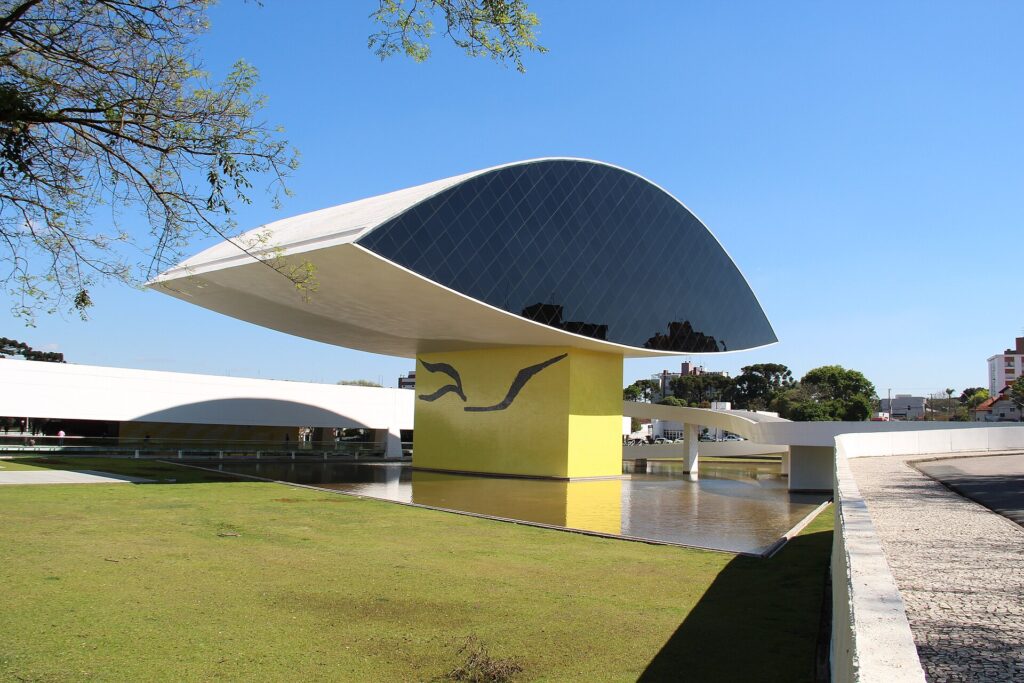
The building that houses Museu Oscar Niemeyer is itself a key element of the visitor experience. Designed by Oscar Niemeyer, the structure reflects his bold modernist forms, featuring white curving lines and geometric volumes. Its architecture expresses the principles for which Niemeyer is known — fluidity, organic shapes, and an interplay of space and light.
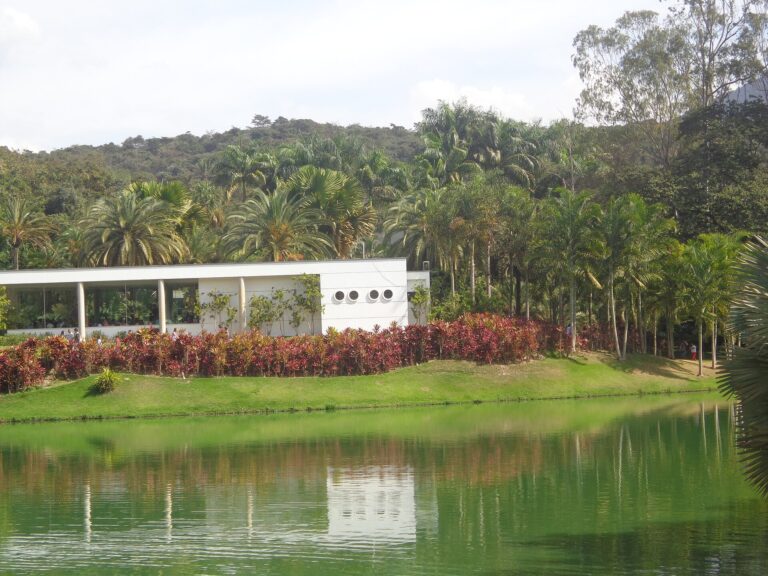
Sited in Curitiba, the museum occupies a park-like environment that enhances its contemplative atmosphere. The setting includes open areas and green spaces, allowing the building to stand out as a sculptural object within its surroundings, making the visit as much about architectural experience as the art inside.
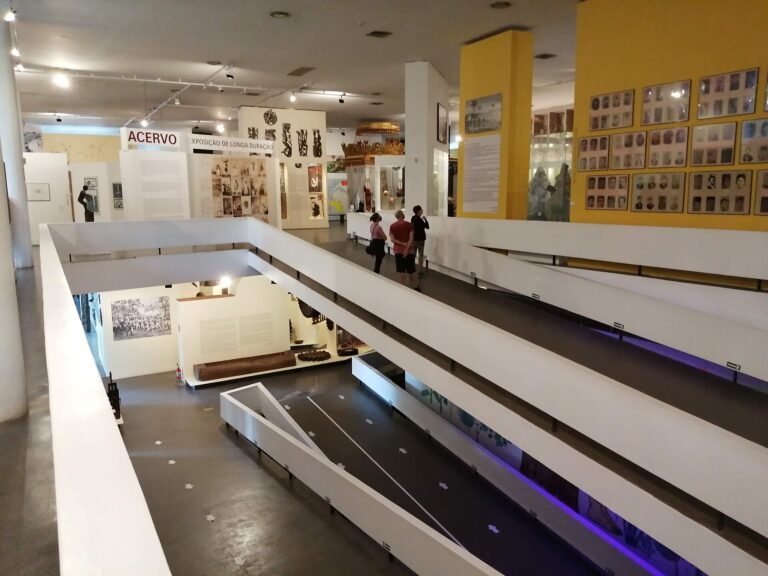
The layout is designed to support flexible exhibition spaces, which can accommodate diverse shows from intimate graphic arts displays to larger installations. Visitors should expect a predominantly open plan with some segmented areas to support different art forms and thematic focuses.
The museum’s visual presence in the city is significant: it acts as a cultural landmark, reflecting both local pride in Niemeyer’s work and Brazil’s engagement with modern architectural heritage.
Practical Information
When planning a visit to Museu Oscar Niemeyer, it is advisable to check its official website for the most current information regarding opening hours, admission fees, guided tours, and visitor services. These details are subject to change and variation, especially in the context of public health considerations or special events.
Accessibility information, parking availability, and on-site amenities such as cafés or shops should also be confirmed in advance. The museum’s spatial design, while modern and open, might include areas where physical navigation should be considered carefully by visitors with mobility concerns.
The museum is generally suitable for a wide range of visitors, including families, students, and those with professional or casual interests in art and architecture. However, some exhibitions might require a more focused or art-literate audience to fully appreciate the themes on offer.
Why Visit
Museu Oscar Niemeyer offers visitors a distinctive opportunity to engage with Brazilian modernism through both its collections and its architecture. It is particularly relevant for those interested in the nexus of art and architectural design. Unlike general art museums that span many historical periods and styles, this museum offers a sharper focus on 20th and 21st-century cultural expressions centered on visual and architectural innovation.
Visiting this museum is also an encounter with Niemeyer’s lasting influence, as the building acts as a three-dimensional illustration of his design principles and aesthetic values. The experience of moving through the museum’s spaces can heighten appreciation for the ways architecture shapes how art is presented and perceived.
While it may not cater to every taste—for example, those seeking classical art or comprehensive historical surveys of Brazilian culture—those who value modernist architecture or are curious about how contemporary artists dialogue with architectural ideas will find much to consider.
In summary, Museu Oscar Niemeyer is a relevant cultural destination in Curitiba that combines architectural significance with exhibitions that highlight Brazil’s visual arts evolution in the modern era. It provides a context for understanding certain artistic and cultural conversations that have shaped contemporary Brazil, all within a distinctive architectural landmark. Visitors willing to engage with the specific thematic range on offer will likely find their visit enriching.