Museo Nacional de Artes Decorativas Review
Art Museums · Madrid, Spain. The Museo Nacional de Artes Decorativas in Madrid occupies a distinctive place within Spain’s museum landscape. Established in the late 19th century, the institution emerged from a broader European interest in preserving and showcasing…
Art Museums · Madrid, Spain. The Museo Nacional de Artes Decorativas in Madrid occupies a distinctive place within Spain’s museum landscape. Established in the late 19th century, the institution emerged from a broader European interest in preserving and showcasing…
Best forArt lovers, visual culture, architecture
Review focusCollections, curatorial focus, and visitor planning
Historical Context
The Museo Nacional de Artes Decorativas in Madrid occupies a distinctive place within Spain’s museum landscape. Established in the late 19th century, the institution emerged from a broader European interest in preserving and showcasing decorative arts, a category that had long been relegated to the peripheries of traditional art history. The museum reflects Spain’s effort to acknowledge craftsmanship, design, and domestic arts as vital components of cultural heritage, paralleling similar movements elsewhere in Europe that sought to elevate applied arts alongside fine arts.
Housed in a 19th-century palace, the building itself ties into the historical narrative of Madrid’s urban development and cultural expansion during a period of national consolidation. The museum’s foundation was aligned with Spain’s intent to promote national identity through material culture, with initial collections emphasizing Spanish ceramics, metalwork, and textiles. Over time, the museum has expanded its scope to include a variety of decorative art objects, ranging from historic furniture to glass and porcelain, from both Spanish and international origins.
Its longevity and focus make the Museo Nacional de Artes Decorativas a particularly valuable resource for understanding not only decorative arts but also the social and economic histories they embody. This includes the role of craft guilds, the circulation of luxury goods, and the tastes of aristocracy and bourgeoisie through several centuries. While not as widely recognized internationally as Madrid’s major fine arts institutions, it remains a key site for those interested in the intersection of art, utility, and domestic life.
What You See on Arrival
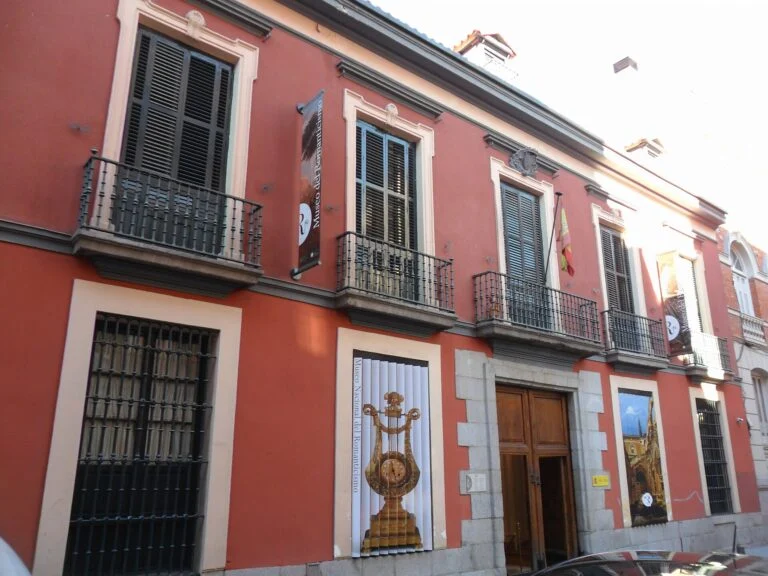
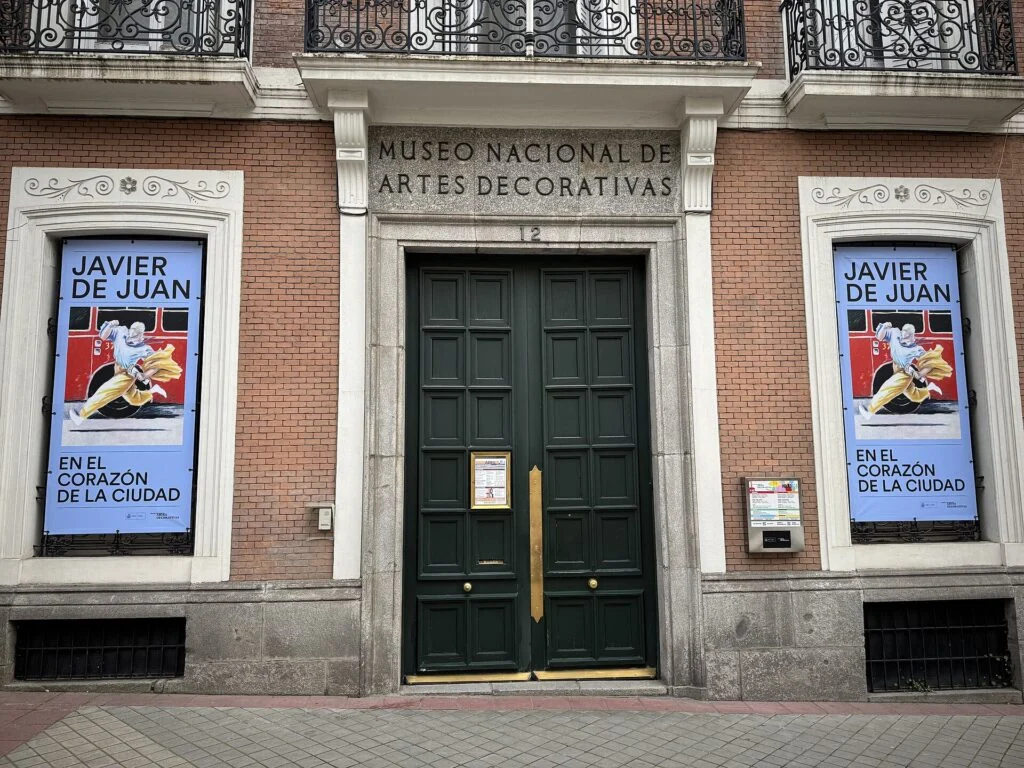
Approaching the Museo Nacional de Artes Decorativas, visitors first encounter the stately architecture of the building, situated within a discreet yet culturally dense area of central Madrid. The exterior sets a reserved tone—a well-maintained palace with classical elements that calmly announces its historic character. Unlike some grand palatial museums that impress with sheer scale or overt ornamentation, this building’s exterior suggests intimacy and meticulous care, which prefigures the experience within.
The entrance experience can be described as straightforward but oriented toward a contemplative mood. Visitors are likely welcomed into spaces that emphasize order and clarity, allowing the objects to speak for themselves without overwhelming visual noise or high-tech distractions. The museum’s identity is firmly linked with decorative arts rather than broad historical surveys or avant-garde curation. This framing positions it as a place for connoisseurs, designers, scholars, or any visitor curious about material culture from a perspective that balances art and craft.
Immediately noticeable is the absence of expansive open-plan galleries typical of larger art museums. Instead, one expects a series of rooms and salons where objects are displayed in a relatively traditional manner, often grouped by material type, function, or style period. Lighting and display cases appear designed to protect sensitive materials such as textiles and ceramics but at the same time to facilitate detailed viewing. The atmosphere encourages slow looking rather than rapid transit.
Highlights and Key Exhibitions
The core of the Museo Nacional de Artes Decorativas’s appeal lies in its broad and well-documented collection of applied arts spanning several centuries. Particular strength is found in its ceramics and glassware, including significant examples from Spain’s renowned pottery centers such as Talavera de la Reina and Sargadelos, alongside imported pieces from Italy, France, and other European centers. These collections reveal the exchange of design motifs and techniques, illustrating how Spanish artisans both absorbed and localized international trends.
Furniture is another cornerstone of the museum’s holdings. Ranging from Renaissance to contemporary examples, the furniture collection offers insight into evolving styles, craftsmanship, and materials. Visitors can observe shifts from ornate Baroque and Rococo elaborations to restrained Neoclassical forms. The museum’s furniture pieces often come from aristocratic homes or royal collections, highlighting the social prestige and functional considerations behind their design.
Textiles are represented with a variety of tapestries, embroideries, and lacework that document technological and artistic advancements. Of particular note are religious textiles that speak to the role of decorative arts in ecclesiastical settings, reflecting not just artistry but cultural and devotional priorities of different periods in Spanish history.
Metalwork, including silver and bronze, provides another dimension that complements other media. Visitors can examine liturgical objects, jewelry, and ornamental pieces that combine utility with aesthetic refinement. These works underscore the importance of metalcraft in both everyday life and ceremonial contexts.
Porcelain collections contribute further richness, with examples that document Spain’s evolving relations with international porcelain centers, especially those from the 18th and 19th centuries. Such works often demonstrate the interplay between European aristocratic tastes and the importation of Asian aesthetics, which was a significant factor in decorative arts development.
While the permanent collections offer much to absorb, the museum’s curatorial approach is characteristically steady rather than experimental. There is little indication of radically contemporary reinterpretations or multimedia installations. Instead, the exhibitions are carefully arranged to highlight craftsmanship details, provenance, and stylistic evolution, which suits an audience interested in historical depth and material authenticity.
Visitor Experience
The Museo Nacional de Artes Decorativas is best suited for visitors who have a particular interest in decorative arts, artisanship, and design history rather than those seeking a general overview of Spanish art or busy, tourist-oriented highlights. The pace of visit is likely to be deliberate—spaces are intimate, allowing for focused contemplation.
Interpretation tends to be detailed but not overwhelming, offering essential context without excessive jargon. Labels and explanatory panels provide information on origins, techniques, and cultural settings of the objects, supporting a self-directed visit. However, visitors seeking multimedia guides or interactive learning might find the museum less equipped than larger contemporary institutions in Madrid.
Navigating the museum is straightforward due to its relatively compact size and clear thematic arrangements. The segmented rooms avoid sensory overload, but the traditional layout might feel somewhat static or old-fashioned to those expecting more dynamic exhibition design. The museum’s focus on object quality and historical significance rewards those who spend time examining details and comparing styles across media.
The atmosphere fosters a scholarly appreciation but remains accessible for casual visitors willing to engage with the material culture on its own terms. It also holds particular value for design students, historians, and collectors, who can gain insights into production techniques and aesthetic principles underpinning European decorative arts.
One limitation to consider is the museum’s narrower focus within the decorative arts category. Visitors interested primarily in modern design, industrial design contexts, or non-Western decorative traditions will find the scope somewhat constrained. The museum’s strong emphasis on Spanish and European decorative arts means the experience is less global in reach.
Tickets, Access, and Planning
Practical information about admissions, opening hours, and tours should be confirmed on the museum’s official website before planning a visit, as these details can vary or be updated without wide notice. The Museo Nacional de Artes Decorativas is relatively straightforward to reach given its central location in Madrid, benefiting from proximity to other cultural institutions. This can make it suitable for inclusion in a broader itinerary of Madrid’s museum circuit.
Due to its scale and layout, the museum does not typically require extensive planning in terms of time but visitors should allocate enough to absorb the detailed collections. Larger groups or families seeking more interactive experiences might need to gauge whether this museum meets their expectations.
Visitors with accessibility concerns should seek current information directly from the museum, as coverage of modern accessibility features may be limited by the historic nature of the building.
Final Verdict
The Museo Nacional de Artes Decorativas stands as a focused and well-curated repository of Spanish and European decorative arts, presenting a specialized narrative of material culture that complements Madrid’s larger fine arts museums. Its strengths lie in the quality and breadth of its ceramics, furniture, textiles, and metalwork collections, displayed in a historic setting that supports close examination of craftsmanship and style.
While it does not pursue avant-garde curatorial strategies or multimedia engagement typical of some modern institutions, its steadiness and clarity offer a valued alternative for those interested in the traditions of applied arts. This museum is well suited for smaller, thoughtful visits and for audiences keen on design history, artisan techniques, and the social histories linked to decorative objects.
Potential visitors should weigh their interest in decorative arts specifically against the museum’s relatively specialized scope. Those expecting broader historical surveys or highly interactive experiences might find the museum somewhat limited. Nonetheless, for a segment of museum-goers engaged with the nuances of European decorative arts, the Museo Nacional de Artes Decorativas merits serious consideration.
Before visiting, it is advisable to check the museum’s official resources for current visitor information including opening times, ticketing policies, and any programs that might enhance the experience. In sum, the Museo Nacional de Artes Decorativas offers a clear and detailed window into the history of decorative objects in Spain, providing a solid platform for further appreciation of this important artistic field.