Revs Institute
Automobile Museums · Naples, United States. The Revs Institute in Naples, Florida, is a specialized automotive museum dedicated primarily to the preservation, study, and exhibition of historically significant automobiles and related materials. Unlike many public museums that offer a broad…
Best forMuseum lovers, culture travelers, first-time visitors
Setting / nearbyNaples, United States
Overview
The Revs Institute in Naples, Florida, is a specialized automotive museum dedicated primarily to the preservation, study, and exhibition of historically significant automobiles and related materials. Unlike many public museums that offer a broad range of industrial or cultural artifacts, the Revs Institute focuses squarely on the history of motor vehicles, especially from the early 20th century to the pre-modern era of racing and road cars. The museum operates with a strong emphasis on conservation and research, making it a distinctive destination for serious car enthusiasts, historians, and those interested in the technological and cultural development of the automobile. Its mission is both to protect rare vehicles and to foster understanding of their historical context and engineering.
While located in Naples, a city with a strong tourism industry oriented around beaches and golf, the Revs Institute stands apart by catering to a more niche audience. It is not a large public museum with widely accessible exhibits; rather, it functions partly as a research library and study center, housing archival materials that support scholarship on automotive history. The emphasis is less on popular presentation and more on preservation quality and detailed historical accuracy.
Collection Highlights
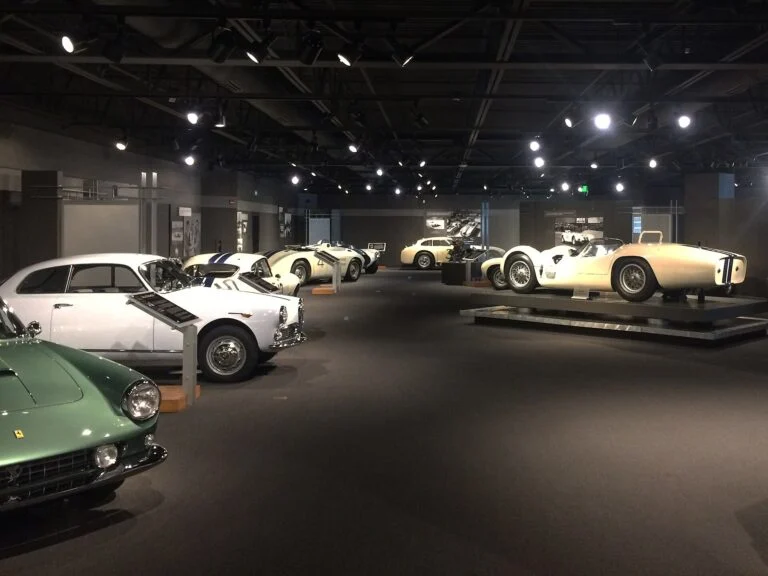
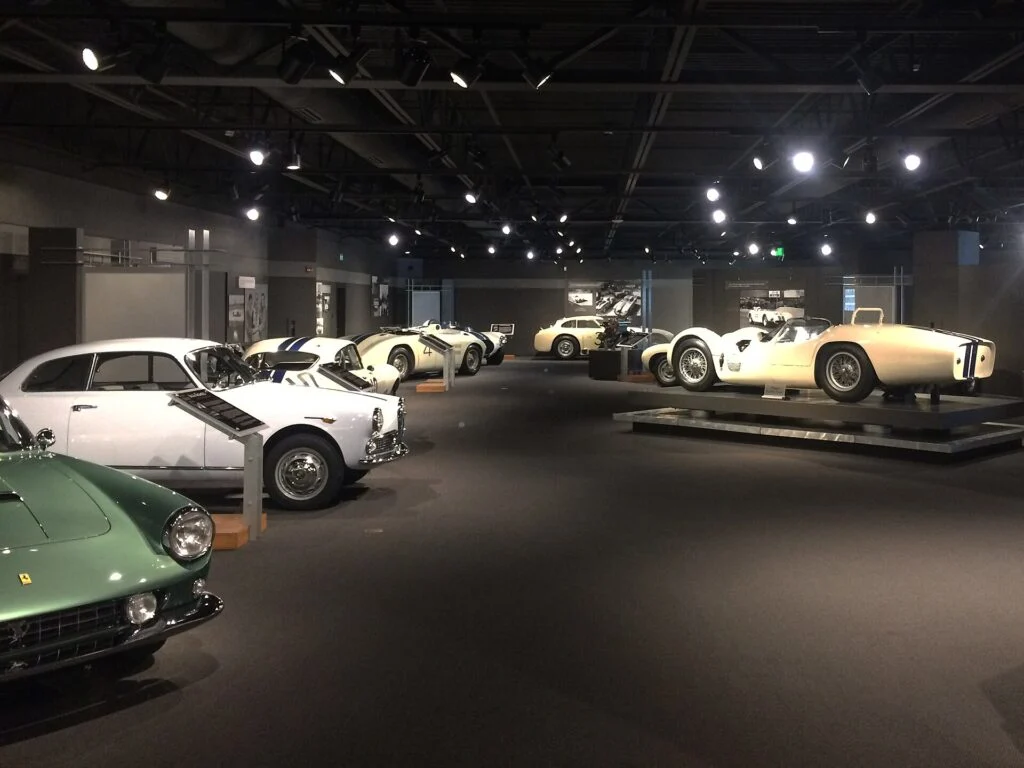
The core of the Revs Institute’s holdings is an extensive collection of automobiles, many of which are rare or unique. The collection includes vehicles from the very early days of motoring — arguably from the late 19th century through to the mid-20th century. Among these are noteworthy racing cars that have competed in important events such as the 24 Hours of Le Mans, along with luxury and sports cars from well-known marques representing significant milestones in automotive innovation.
What the Revs Institute is particularly known for is its commitment to maintaining its cars in running condition, which means the collection is not static but a living archive that continues to function as a reference for engineering and design. Apart from the vehicles themselves, the museum also houses an impressive archive filled with original documents, photographs, period publications, and engineering drawings which support research and exhibitions. This archival depth provides a valuable resource for those interested in the technical, social, and cultural history of automobiles.
While the public-facing exhibits focus on storytelling associated with particular cars or collections, the institution’s academic arm provides opportunities for deeper engagement through access to its non-public archives by appointment or through research programs. This dual approach differentiates Revs from many other automotive museums that might emphasize broader, less technical narratives.
Building and Setting
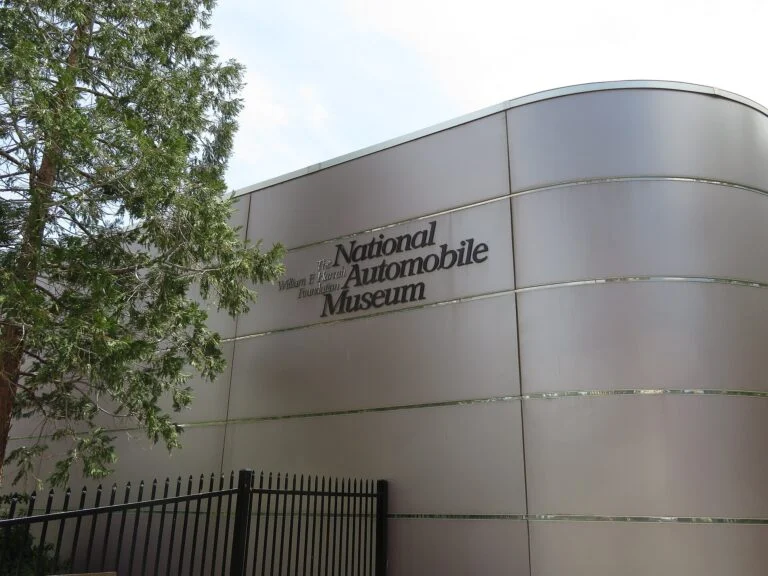
The Revs Institute is situated in Naples, Florida, but its physical site is somewhat understated compared to more commercial museums. The facility is designed primarily for preservation and research rather than extensive public foot traffic. Its galleries are arranged to showcase vehicles under controlled environmental conditions, a necessity to safeguard the mechanical and material integrity of the cars. The space is utilitarian rather than ornate, reflective of the museum’s focus on the objects and their historical value rather than architecture as an attraction.
The museum is located in an area of Naples that may require private transportation or careful route planning for visitors unfamiliar with the city’s layout. The neighborhood itself is relatively quiet and does not offer many immediate surroundings of tourist infrastructure like cafés or shops geared to museum visitors, so planning in advance for meals or refreshments would be advisable.
Practical Information
Visitors interested in exploring the Revs Institute should consult the museum’s official website or contact the institution directly prior to planning a visit. Because the museum often functions as a research facility as well as a public exhibition space, its hours, admission policies, and availability of tours or public programming may vary or be subject to reservation. Specific details about ticket pricing or accessibility are best confirmed through official channels.
The Revs Institute may also have policies designed to protect the integrity of its collection, which could influence visitor access or photography policies. Given the specialized nature of the collection and the museum’s focus on preservation, visits might be best suited to those with a particular interest in automotive history or technology, and less ideal for casual visitors seeking an entertainment-focused experience.
Why Visit
Choosing to visit the Revs Institute offers an opportunity to connect with a distinctive side of automotive history. For individuals fascinated by the technological evolution of cars and the historical narratives behind some of the world’s significant vehicles, the museum offers a depth of experience not always found in larger, more general museums. The cars themselves are preserved with exceptional care, and the inclusion of research archives adds layers of context that can enrich understanding considerably.
The Revs Institute is also noteworthy in its approach to treating automobiles as artifacts worthy of scholarly attention rather than simply as objects of nostalgia or commercial display. For historians, engineers, or serious collectors, this focus provides a focused, educational experience. Even those with a more casual enthusiasm for motor vehicles may appreciate the quality and rarity of the examples on display, although it is worth bearing in mind that the museum’s setting and presentation style may feel more reserved compared to places designed primarily for entertainment or family-style visits.
In summary, the Revs Institute is best seen as a scholarly museum with a specialized focus, ideal for visitors who want more than the surface story of cars. Its combination of live running vehicles, archival research opportunities, and carefully curated exhibits makes it a distinctive part of the automotive museum landscape in the United States, particularly at a time when preserving the technological heritage of automobiles is increasingly seen as important by both historians and enthusiasts. Prospective visitors should take care to check current visitor information since the museum’s access approach and policies might differ from more conventional public museums.