Savoy Automobile Museum
Automobile Museums · Cartersville, United States. The Savoy Automobile Museum in Cartersville, United States, functions as a specialized automobile museum dedicated to preserving and displaying a range of vehicles and related artifacts. This museum focuses on the history and dev…
Best forClassic cars, automotive design, motoring heritage
Setting / nearbyCartersville, United States
Overview
The Savoy Automobile Museum in Cartersville, United States, functions as a specialized automobile museum dedicated to preserving and displaying a range of vehicles and related artifacts. This museum focuses on the history and development of automobiles, presenting a selection that traces various stages of automotive design and engineering. Situated in a city with a modest yet growing cultural scene, the museum serves both local residents and visitors interested in automotive history or mechanical design.
This institution is likely rooted in the collection or legacy of a private individual or family, as suggested by the name “Savoy,” which hints at personal or collector origins rather than a broad commercial or national scope. The museum’s focus appears to be on American and possibly international cars of historical importance, covering notable advances and emblematic models rather than aiming for a comprehensive archive of every automotive era.
Collection Highlights
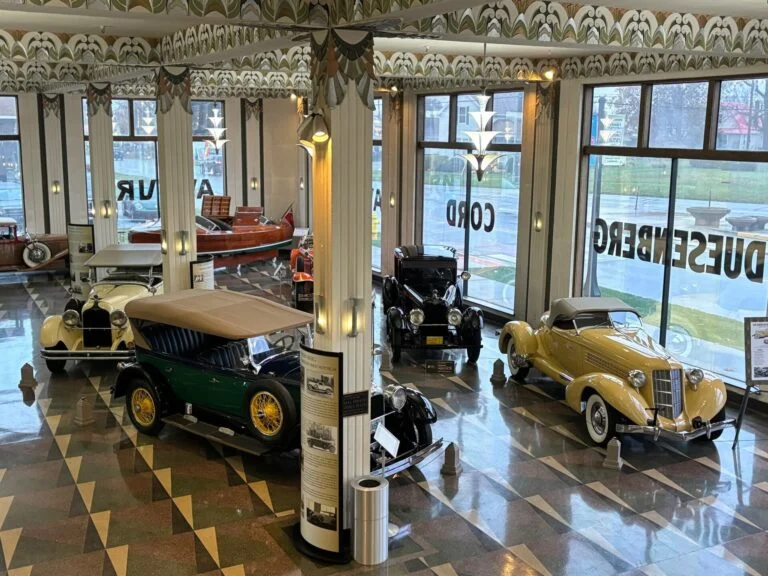
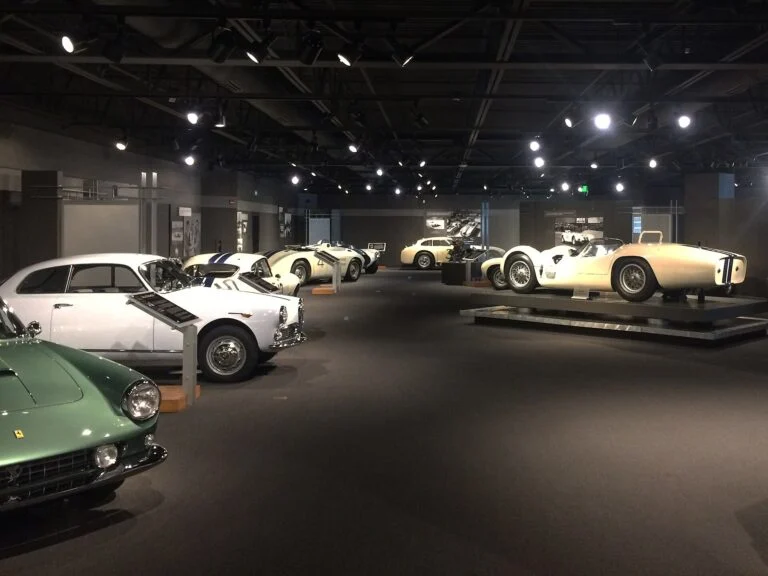
The collection at the Savoy Automobile Museum includes a variety of motor vehicles, with a clear emphasis on classic and vintage automobiles. Visitors can expect to see examples representing key periods in the evolution of the automobile—perhaps from the early 20th century through the mid-century, highlighting the technological and stylistic changes that occurred during that time.
Although specific vehicles are not enumerated here, museums of this kind typically showcase carefully restored passenger cars and occasionally commercial or racing models that reflect distinctive design trends or engineering achievements. The presence of original documentation, photographs, and memorabilia may complement the vehicles, offering historical context and insights into the cultural significance of automotive developments.
The collection may include notable marques with a connection to American car manufacturing, possibly including luxury models or even locally significant makes if applicable. Exhibits probably articulate the narrative of automotive innovation, such as the transition from hand-built to more industrialized production methods, the rise of automotive design styles, and regional automotive history.
Building and Setting
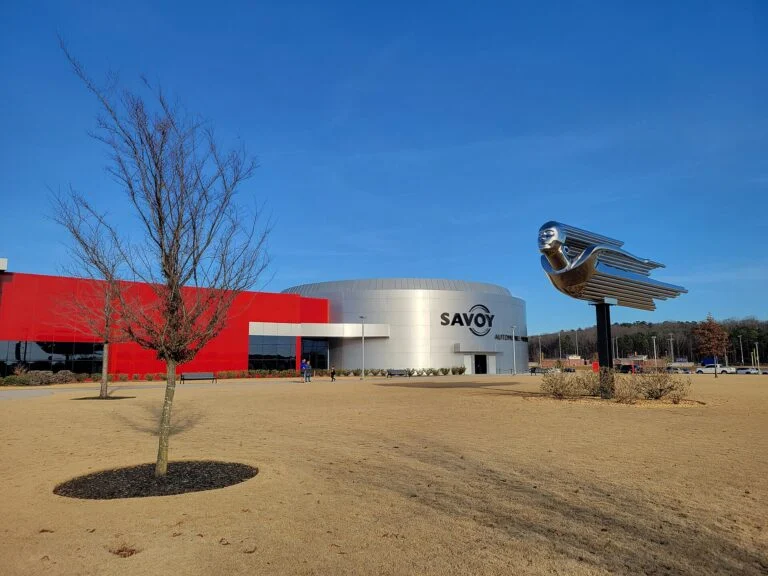
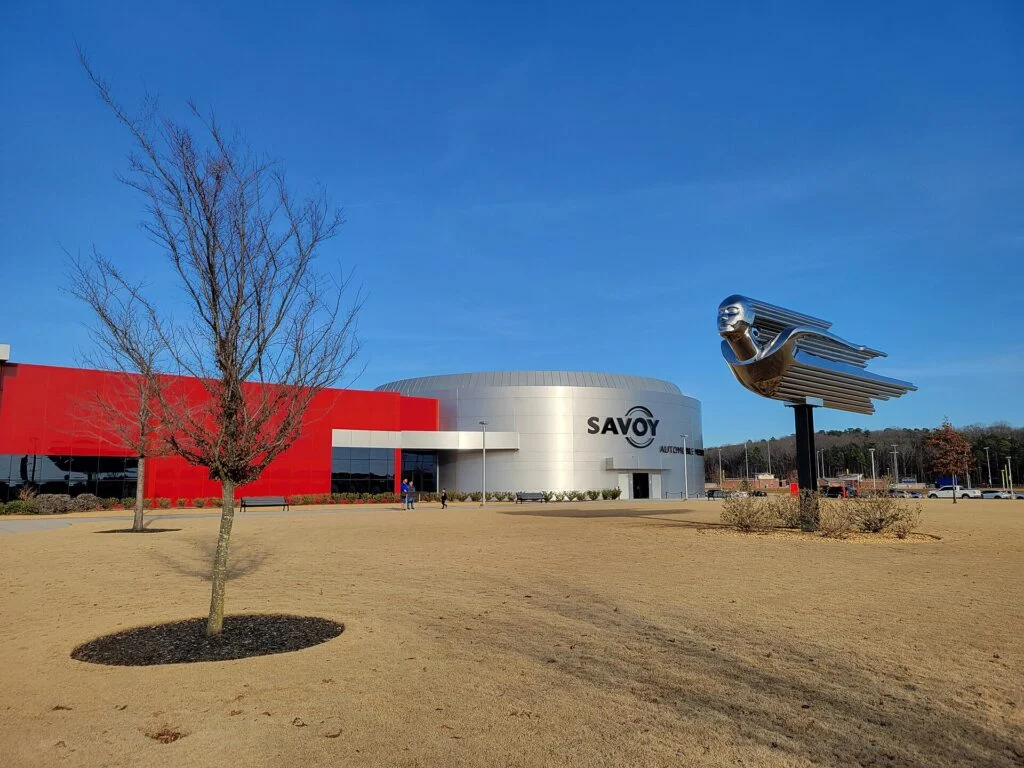
Located in Cartersville, Georgia, the Savoy Automobile Museum is housed in a facility that supports the display and preservation of automobiles. The building is likely designed or adapted to accommodate large vehicles and provide space for viewing and interpretation. The structure’s physical characteristics—such as lighting, climate control, and layout—play an important role in vehicle preservation and visitor experience.
The setting in Cartersville, a smaller city approximately 40 miles northwest of Atlanta, offers a distinct context that may attract visitors from the local area and road travelers along nearby highways. The museum’s placement within this community might reflect an effort to contribute to local cultural offerings and to appeal to enthusiasts traveling through the region.
While the surrounding environment is not detailed here, the museum is not described as part of a larger cultural complex or automotive heritage site. Its individual identity shapes the visiting experience, characterized by a focused environment oriented toward vehicles and automotive history.
Practical Information
Potential visitors should verify current and detailed visitor information through the Savoy Automobile Museum’s official website or direct contact. This is advisable to confirm opening hours, admission policies, visitor services, and any special programming. Information on tours, audio guides, or educational materials may vary, and advance reservations could be necessary for group visits or special exhibitions.
Details about facilities such as parking, accessibility for visitors with disabilities, on-site cafés, or gift shops are not fully documented here. Those planning a visit should check official sources to ensure their needs are met and to avoid surprises.
The museum’s visitor flow and seating availability may influence how comfortable a visit can be, as automotive collections often require plenty of space for both the vehicles and visitors. Those particularly interested in the nuances of automotive design or history may wish to allocate sufficient time, mindful that smaller museums can vary significantly in the depth and presentation of their collections.
Why Visit
The Savoy Automobile Museum offers a concentrated look at automotive heritage from a particular perspective, oriented primarily toward visitors with an interest in vehicle history, design, and technology. For anyone fascinated by the early to mid-20th century automotive landscape, the museum provides an opportunity to see several representative vehicles conditioned for display.
Visitors interested in the mechanics and aesthetics of classic cars may find value in the museum’s selection and presentation. While it is not an extensive or encyclopedic collection, its size and focus might allow for a more relaxed pace and closer scrutiny of individual cars than larger institutions sometimes permit. This aspect may appeal to enthusiasts, historians, or families seeking an educational outing related to industrial history.
The museum may also serve as a useful stop for travelers passing through Cartersville or the broader region with an interest in American automotive culture. Given Cartersville’s location, this museum might complement visits to other cultural or historic sites nearby.
On the other hand, visitors expecting a sweeping narrative that links the automobile to broader social or environmental developments might need to supplement their experience with additional sources or museums. The Savoy Automobile Museum’s primary strength is its concentrated collection rather than extensive interpretive programming.
In summary, the Savoy Automobile Museum contributes to the local and regional cultural landscape by recording aspects of automotive heritage. Its appeal lies in its focused collection and the chance to engage directly with significant vehicles and artifacts that represent key moments in automotive history. Prior planning and checking updated visitor information will help maximize the experience for anyone considering a visit.