International Maritime Museum Hamburg Review
Maritime Museums · Hamburg, Germany. The International Maritime Museum Hamburg is situated in a city whose history and identity have long been intertwined with the sea. Hamburg has been one of Europe’s leading ports for centuries, acting as a…
Maritime Museums · Hamburg, Germany. The International Maritime Museum Hamburg is situated in a city whose history and identity have long been intertwined with the sea. Hamburg has been one of Europe’s leading ports for centuries, acting as a…
Best forMaritime history, ship lovers, port culture
Review focusMaritime collections, ship history, and visitor planning
Historical Context
The International Maritime Museum Hamburg is situated in a city whose history and identity have long been intertwined with the sea. Hamburg has been one of Europe’s leading ports for centuries, acting as a gateway between inland Europe and the wider world via the North and Baltic Seas. Maritime commerce, shipbuilding, and naval endeavors have shaped the city’s development, economy, and cultural fabric. Established in 2008, the museum occupies a restored historic warehouse in the HafenCity area, a district itself emblematic of Hamburg’s evolving relationship with its waterfront.
The museum originated from the extensive private collection amassed by Peter Tamm, a former editor, publisher, and passionate maritime historian. Over decades, Tamm gathered artifacts, models, photographs, manuscripts, and artworks connected to nautical history. His vision expanded this collection into a public institution aiming to trace global maritime heritage rather than focusing narrowly on German or Hamburg-specific maritime narratives. This breadth reflects both the maritime world’s interconnected nature and Hamburg’s role as an international port.
Unlike many maritime museums housed in purpose-built structures or dominated by interactive technology, the International Maritime Museum Hamburg presents itself as a repository of objects spanning ancient navigation to contemporary shipping. Its grounding in a historic warehouse accentuates the link between built environment and maritime industry. This context sets expectations that the museum is as much about artifact-rich documentation and historical depth as it is about the coastal city’s industrial legacy.
What You See on Arrival
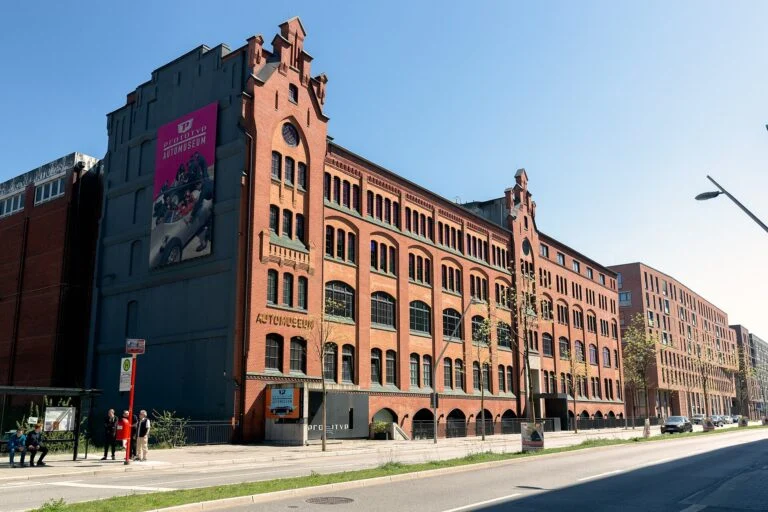
Upon arrival, visitors encounter the museum’s exterior, a former warehouse known as Kaispeicher B. The building’s heavy brick façade evokes 19th-century mercantile architecture, reflecting Hamburg’s industrial past. Rather than a modern glass-and-steel edifice, this venue emphasizes continuity with maritime trade history, providing a tangible link between Hamburg’s physical port structures and the museum’s contents.
Immediately noticeable is the museum’s scale. With its multiple floors and towering storage spaces, the warehouse allows for a layered narrative in vertical sections. Visitors do not step into a single large gallery but are guided through a succession of themed floors, each dedicated to different layers of maritime history and technology. The building itself frames the experience as a voyage through time and disciplines.
The entrance area typically orients visitors with basic maps, floor plans, and an introduction to the museum’s scope. There is clear signage, often bilingual in German and English, that underscores the museum’s international scope. This setup ensures that first-time visitors can quickly align their expectations and plan routes according to interest and time availability.
The museum’s identity as a center that values collection-based storytelling is immediately clear. Instead of a concentration on immersive or theatrical presentations, the initial impression is one of a dense curatorial environment where objects serve as both evidence and narrative anchors.
Highlights and Key Exhibitions
The International Maritime Museum Hamburg organizes its displays chronologically and thematically across its nine floors, beginning with the earliest maritime endeavors and progressing through modern shipping and naval developments. The variety and depth of the collection merit close attention.
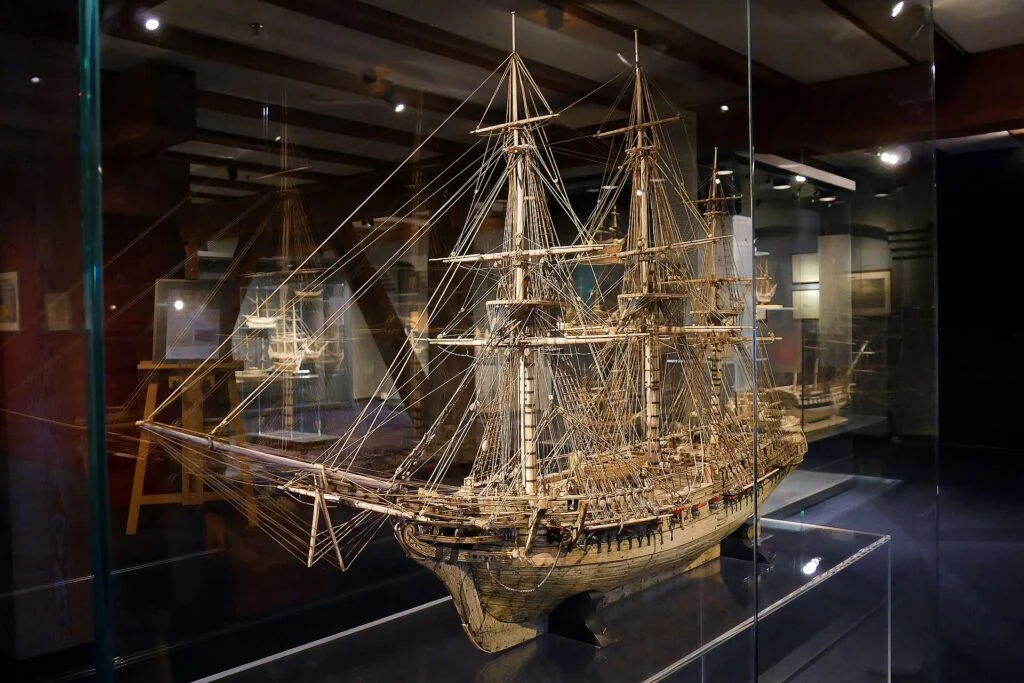
One of the central draws is the extensive model ship collection. These scale representations range from painstakingly detailed historic sailing vessels—such as Hanseatic trading ships and tall sailing clippers—to 20th-century ocean liners and warships. These models do not merely illustrate maritime design but also reflect the craft of model making as a historic discipline and hobby. For visitors interested in naval architecture or physical model artistry, these displays offer substantial information and visual richness.
The museum’s collection includes a considerable number of maritime paintings and prints, featuring artists who have documented seascapes, ship portraits, naval battles, and port scenes. These artworks situate ships within cultural and historical contexts, illustrating humanity’s longstanding relationship with the ocean and riverine environments. Often, these artistic pieces are supplemented by maps and navigation charts from various epochs, demonstrating the evolving capability of humans to understand and master the sea.
Naval history receives thorough treatment through weaponry, uniforms, and documentation of maritime warfare spanning several centuries and navies. Visitors can see artifacts linked to both merchant fleets and military forces, offering perspectives on how sea power influenced national and global politics.
An important thematic section is devoted to Hamburg’s own port history, displaying machinery, tools, ship components, and multimedia documentation about HafenCity’s transformation. This part anchors the museum’s international scope firmly in the local context, assisting visitors in appreciating the city’s maritime-industrial development and the port’s economic and social impact.
The museum also addresses technological progress in shipping, from early sail to steam engines and diesel-powered vessels. Exhibits on navigation instruments, radio communication devices, and ship engine components trace the technical evolution necessary for maritime expansion and global trade networks.
The International Maritime Museum Hamburg includes sections that explore maritime culture and life at sea. Objects such as sailors’ tobacco boxes, flags, logbooks, and personal belongings provide intimate reflections on those who worked at sea. For social historians, these collections look beyond the grand narrative to humanize maritime history.
In addition to the permanent displays, the museum’s collection houses more ephemeral items such as maritime literature, film archives, and manuscripts, although these areas receive less prominent exhibition space. These resources underline the museum’s priority on the physical collection while supporting research and deeper contextual understanding.
Overall, the exhibition breadth covers ancient seafaring tools, medieval trading networks, colonial-era shipping, developments in naval warfare, commercial ocean liners, and the intricacies of a major contemporary port. This structure allows the museum to serve multiple interests—whether naval technology, art history, global trade, or local heritage.
Visitor Experience
The International Maritime Museum Hamburg is tailored predominantly to visitors with a keen interest in maritime history, naval technology, and cultural heritage. Its extensive collections reward those willing to engage in detailed examination rather than visitors seeking purely superficial or entertainment-focused presentations.
The museum’s layout encourages a methodical exploration, ascending floor by floor, which facilitates a chronological and thematic progression. However, the density of exhibits and the scale of the building can challenge those with limited time or concentration. Visitors should plan to spend several hours moving through multiple floors to appreciate the full scope. The lighting, careful object placement, and information panels are generally clear, though the sheer volume of material may feel overwhelming for casual visitors.
Interpretive materials rely heavily on text panels, photographs, and object labels supplemented by occasional audio-visual media. The presentation style balances specialist knowledge with accessible language, though some topics might overwhelm those without prior familiarity with maritime terms or history. English-language materials are reasonably comprehensive, but German is dominant throughout, which may impact interpretation depth for non-German speakers.
The museum supports diverse audiences through its varied content—ranging from technical models and weaponry to personal objects and art. Families with children might find certain floors more engaging, especially those including models and visual art, but younger audiences may lose interest in more specialized sections.
Navigation is straightforward due to the clear signage and modular floor plan. Staggering by theme helps avoid repetitiveness, but visitors should be prepared for minimal seating areas and limited rest spaces in the upper exhibition floors.
The museum’s educational dimension is apparent, with well-curated thematic displays that can serve longer-term research interests or a focused study on specific maritime topics. However, those visiting with limited prior knowledge or time might prioritize particular floors or sections rather than attempting the entire museum.
Tickets, Access, and Planning
Information on visitor services at the International Maritime Museum Hamburg advises checking the museum’s official website before planning a visit. Details on opening hours, ticket options, concessions, group arrangements, guided tours, and accessibility provisions are best confirmed through the institution’s direct communication channels, given that such parameters can fluctuate seasonally or due to special circumstances.
The museum is located in the central HafenCity district, accessible by public transportation. While there is typically parking available nearby, specifics about fees and capacity should be verified. Visitors should note that the building’s historic warehouse status may impose some limitations on accessibility, particularly regarding elevator access or facilities for those with mobility challenges. Prior inquiries about accommodations for disabilities are recommended.
Given the museum’s large and multi-level layout, comfortable footwear and a reasonable time budget are advisable. While light refreshments and shopping options are available in the museum shop area, details on café or restaurant services should be confirmed in advance since these can undergo change.
Final Verdict
The International Maritime Museum Hamburg presents itself as a comprehensive repository of seafaring heritage, situated in a historic warehouse that underscores Hamburg’s long port tradition. Its strengths lie in the breadth and depth of its collections: detailed ship models, historic navigation instruments, maritime art, and archival materials combine to trace centuries of global maritime activity with particular ties to Hamburg’s own shipping legacy.
For visitors with a serious interest in maritime history, technology, and culture, the museum offers substantial content and a well-structured progression through themes and time periods. The collection’s variety from technical to personal artifacts invites reflection on multiple dimensions of the maritime world. Hamburg’s centrality in the narrative enriches the experience by providing local grounding alongside international reach.
However, the museum’s density and scale mean that visitors with limited prior exposure to maritime topics or with restricted time might find the experience challenging to absorb fully. The presentation style, while solid and factual, depends heavily on text and static exhibits, with fewer interactive or multimedia elements that might engage a broader demographic or younger visitors. Accessibility, though generally managed, may require planning given the building’s architectural constraints.
In sum, the International Maritime Museum Hamburg is an authoritative and well-curated institution for maritime scholarship and enthusiasts. It fulfills an important role in documenting maritime phenomena spanning from the age of sail to modern maritime commerce and naval affairs. Its setting in a historic warehouse supports a sense of continuity and context, though this same architectural aspect influences visitor circulation and accessibility. Prospective visitors should consider their interests and time when planning a visit and consult the official website for the latest practical information.