San Diego Air & Space Museum Review
Space Museums · San Diego, United States. The San Diego Air & Space Museum, located in San Diego, California, is a substantial institution dedicated to preserving and interpreting the history of aviation and space exploration, particularly in relation to the aerospace…
Space Museums · San Diego, United States. The San Diego Air & Space Museum, located in San Diego, California, is a substantial institution dedicated to preserving and interpreting the history of aviation and space exploration, particularly in relation to the aerospace…
Best forMuseum lovers, culture travelers, first-time visitors
Review focusCollections, visitor experience, and practical planning
Historical Context
The San Diego Air & Space Museum, located in San Diego, California, is a substantial institution dedicated to preserving and interpreting the history of aviation and space exploration, particularly in relation to the aerospace industry’s significant regional and national developments. Founded in 1961, the museum initially focused on the local aerospace heritage, reflecting San Diego’s important role in military and civilian aviation manufacturing and research. Over time, the museum’s scope has broadened to encompass a wider narrative of air and space history, including pioneering flights, technological advancements, and the exploration of outer space.
The museum’s building, a streamlined Moderne-style structure in Balboa Park, carries its own historical significance. Originally built as a pavilion for the 1935 California Pacific International Exposition, the structure has been repurposed and adapted to house the museum’s growing collection. The location within Balboa Park situates it among a cluster of major cultural institutions, making it a part of San Diego’s broader museum ecology while also maintaining its specialized focus.
The San Diego Air & Space Museum presents a narrative that ties together military aviation, commercial flight, and spaceflight, with an emphasis on the engineering and design achievements rooted in Southern California’s aerospace industry. This regional connection remains central, alongside a wider view of the development and impact of air and space technology in the 20th century and beyond.
What You See on Arrival
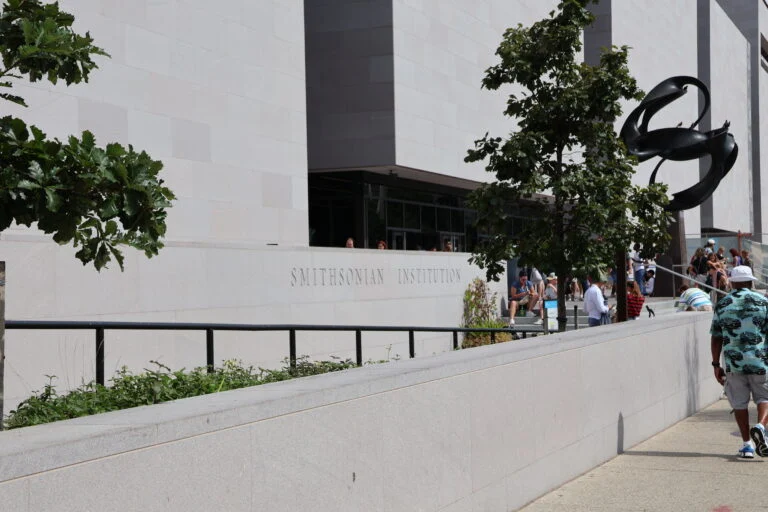
Visitors approaching the San Diego Air & Space Museum are met by the distinctive architecture of the 1935 building, which sets a historical tone before entering the museum proper. The exterior, with its clean lines and emblematic signage, signals a mid-century aesthetic aligned with the themes of flight and innovation inside. Upon arrival, visitors encounter an entrance lobby that often features aircraft models or flight-related artifacts displayed to frame the museum’s identity as a place devoted to aviation and space history.
The museum clearly markets itself as an institution dedicated to telling stories of flight, often with a strong focus on the regional aerospace industry’s contributions. The setting in Balboa Park situates the museum within a cultural hub, positioning it as part of a day’s itinerary involving multiple museums but also as a specialized destination for aviation enthusiasts, students, families, and those interested in technology and engineering.
Inside the entrance, visitors typically see immediate references to aircraft and spacecraft, historical timelines, and thematic displays that prepare them for a journey through the layers of aviation history. The museum balances its focus between showcasing original machines and offering interpretation about the broader context of flight development. The framing encourages interest in technological progress and the people behind it, appealing to a range of visitors from casual observers to those with a deeper interest in aerospace heritage.
Highlights and Key Exhibitions
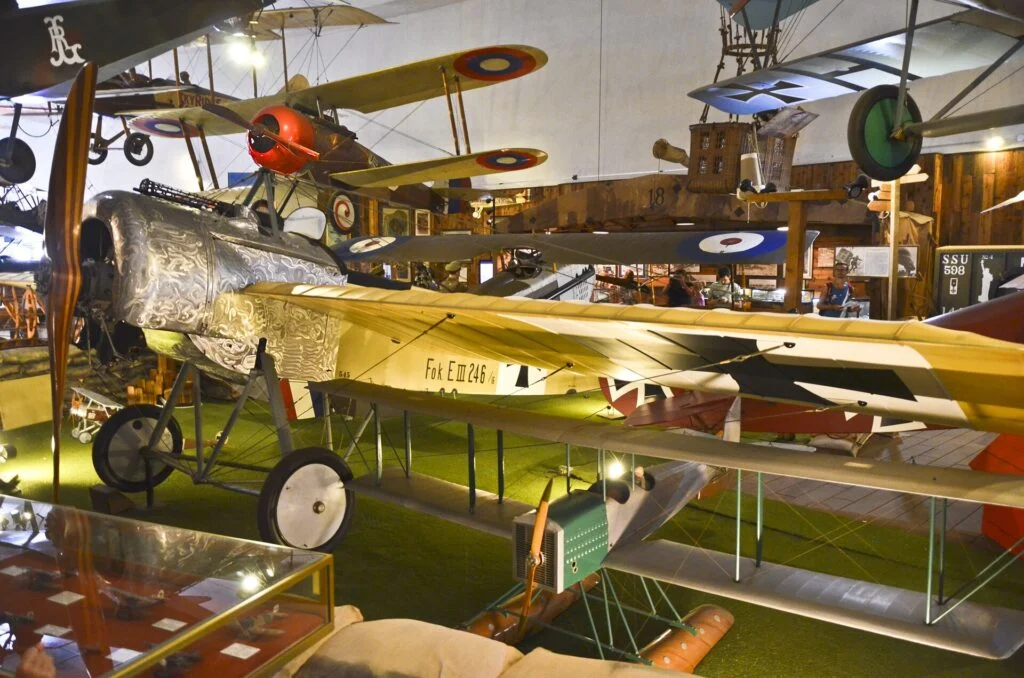
The San Diego Air & Space Museum’s core strength lies in its comprehensive collection of aircraft and aerospace artifacts, several of which have direct ties to Southern California’s aerospace manufacturers. The collection includes full-size aircraft, scale models, engines, flight instruments, and related technology that collectively chart the progression from early powered flight to modern aerospace engineering.
One prominent exhibit area frequently revolves around the history of aviation pioneers, including replicas of early aircraft that demonstrate the mechanical ingenuity of the Wright brothers and their contemporaries. This section establishes the foundational narrative of controlled, powered flight, placing it in a broader historical context.
Adjacent galleries typically focus on military aviation history, reflecting San Diego’s longstanding naval and air force presence. Visitors can expect to see fighter planes, bombers, and training aircraft used in various conflicts, alongside informative exhibits detailing the technological evolution and strategic importance of air power. The accessible presentation of this material highlights engineering advances, pilot experiences, and the intersection of local production with global military history.
The museum also dedicates significant space to the era of commercial and civil aviation. Exhibits often include passenger aircraft or cockpit replicas, illustrating advancements in commercial flight that transformed travel and commerce in the 20th century. The story here moves beyond machines to cover design challenges, safety improvements, and the commercial aviation boom.
A notable part of the collection focuses on space exploration, tracing humanity’s journey from early rocketry experiments to the space race and beyond. Artifacts related to missions, astronauts, and spacecraft connect visitors to the broader narrative of space science and exploration. While the museum does not function as a primary space history site, its holdings and displays provide a solid overview of key milestones and technological breakthroughs.
Throughout the museum, hands-on displays and smaller-scale exhibits address aerospace technology, aerodynamics, and pilot training. These elements serve educational purposes, clarifying complex scientific concepts for general audiences and younger visitors. In addition, the temporary and rotating displays—though not detailed here—often supplement the permanent ones with focused themes or local aerospace achievements.
While the museum covers a wide chronological and thematic range, collectors and scholars might notice gaps typical of institutions focused largely on regional and military aviation history. The space exploration section, for example, is broad but not exhaustive, and visitors interested purely in contemporary aerospace developments might find the museum’s materials centered more heavily on historical achievements than the latest technology.
Visitor Experience
Navigating the San Diego Air & Space Museum generally involves moving through a sequence of interconnected galleries and hangar-like spaces that encourage exploration by theme and chronology. The layout typically leads visitors from early aviation through military history, commercial travel, and space exploration, though visitors can also enter thematic sections independently depending on their interest.
The museum’s audience spans a wide range, from families with children to aviation enthusiasts and researchers. The variety of exhibits caters broadly, with several interactive components aimed at engaging younger visitors or those without prior knowledge. The interpretive approach tends toward clear, factual explanations supported by photographs, diagrams, and artifact labels rather than heavily text-based or academic treatments.
Interpretation aims to balance technical detail with accessibility. Visitors familiar with aircraft or aerospace concepts will find the collection’s authenticity and range satisfying, while newcomers receive enough context to grasp major developments. The museum’s focus on regional aerospace manufacturing and military contributions provides a particular frame that enhances understanding of San Diego’s role in the broader aviation story.
Visitor flow is usually steady, with ample space in most galleries for comfortable viewing and photo opportunities. Some sections contain larger aircraft suspended or displayed on stands, requiring careful spatial planning but offering dramatic perspectives. The museum’s size and collection density mean it can be comfortably explored in a few hours, but visitors interested in reading all interpretive materials or examining every artifact carefully may wish to allocate more time.
The museum also offers educational programs and occasionally hosts events that deepen engagement, though details on such offerings are best confirmed directly through the museum. Accessibility and wayfinding are generally standard for museums of this type, but potential visitors should verify current provisions to ensure accommodations meet their needs.
Tickets, Access, and Planning
Information on tickets, admission policies, and opening hours is best obtained from the museum’s official website. Such details can vary seasonally or in response to health and safety considerations. Visitors planning to attend should review the website to confirm current schedules, ticketing options, available discounts, advance booking requirements, and policies regarding tours or group visits.
Access to the museum is facilitated by its location within Balboa Park, a well-trafficked area served by public transportation, walking paths, and multiple parking options nearby. Given its urban context, travel arrangements can include personal vehicles, rideshares, or transit, though visitors are advised to check current parking and access information in advance.
The museum’s building is historic, so while efforts have been made to ensure accessibility, potential visitors with mobility considerations should check the latest information on entrances, elevator availability, and route planning.
Finally, visitors interested in specialized tours, educational sessions, or group visits would benefit from contacting the museum ahead of time to confirm what programs are active and how to arrange participation.
Final Verdict
The San Diego Air & Space Museum offers a focused and detailed overview of aviation and space history rooted in one of the United States’ key aerospace regions. Its collection provides substantial material for understanding the chronological development of flight, with a concentration on military and regional manufacturing history that distinguishes it from broader national institutions.
The museum suits a diverse audience, from lay visitors curious about flight’s history to specialists seeking authentic artifacts and local aerospace stories. The presentation balances accessibility and depth, with a particular strength in illustrating technological evolution through clearly labeled and well-maintained exhibits.
That said, visitors primarily interested in the latest aerospace technology or a broader, more global perspective on space exploration may find some aspects of the collection limited. The museum concentrates primarily on 20th-century developments with fewer resources focused on contemporary themes. Similarly, its interpretation, while clear and factual, might not satisfy those looking for deep academic analysis or multimedia engagement.
Location within Balboa Park integrates the museum into a wider cultural setting, encouraging combination visits with other area institutions. Planning ahead by consulting the official website regarding tickets, accessibility, and current hours is advisable, especially given the variable nature of museum operations in recent years.
Overall, the San Diego Air & Space Museum stands as a reliable institution showcasing meaningful material about aviation and space history with regional significance. It can inform and engage a broad spectrum of visitors interested in the machines, people, and history that shaped flight in Southern California and the United States, while framing its collection within a clear and respectful narrative.