Musée Matisse Nice Review
Art Museums · Nice, France. The Musée Matisse Nice holds a significant position in the art world for its dedicated focus on the work of Henri Matisse, one of the 20th century’s most influential painters and sculptors. Situated in…
Art Museums · Nice, France. The Musée Matisse Nice holds a significant position in the art world for its dedicated focus on the work of Henri Matisse, one of the 20th century’s most influential painters and sculptors. Situated in…
Best forMuseum lovers, culture travelers, first-time visitors
Review focusCollections, visitor experience, and practical planning
Historical Context
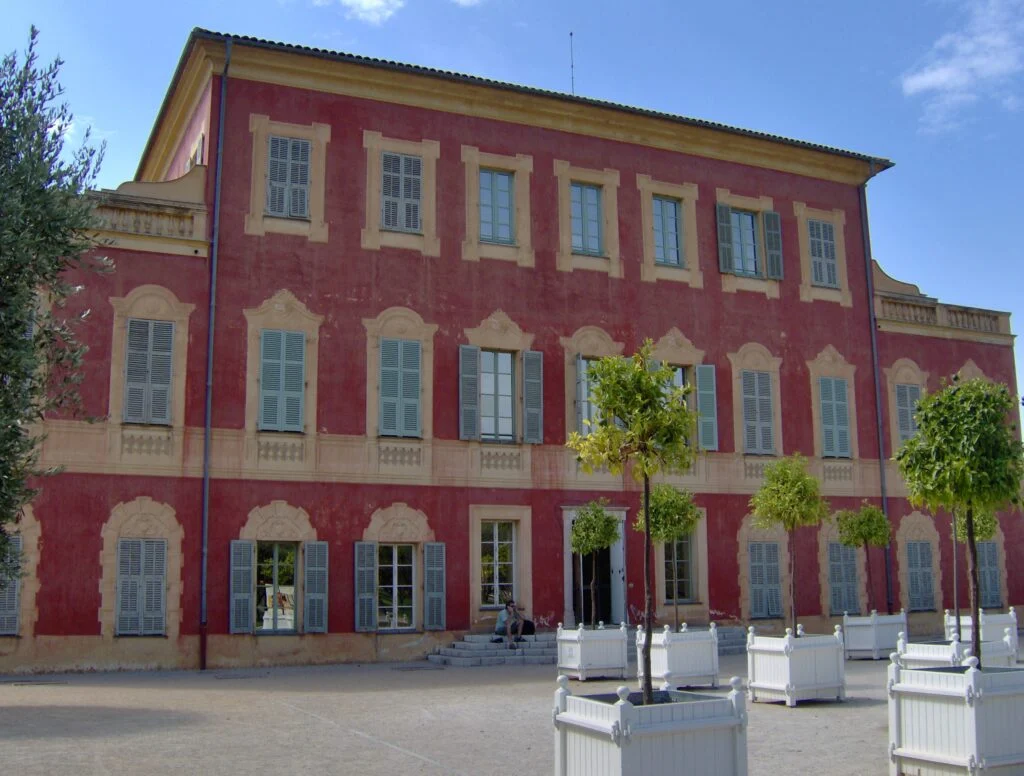
The Musée Matisse Nice holds a significant position in the art world for its dedicated focus on the work of Henri Matisse, one of the 20th century’s most influential painters and sculptors. Situated in the city of Nice, France, this museum reflects the artist’s long-standing connection with the region. Matisse spent several decades of his life in the South of France, making Nice a fitting place to house an extensive collection of his works. The museum is located in a 17th-century villa known as the Villa des Arènes, a building that itself carries historical weight and provides an atmospheric context for the display of Matisse’s art.
Founded in 1963, the museum was established to gather and preserve an important array of Matisse’s legacy, assembling paintings, drawings, sculptures, prints, and personal artifacts. The collection was supplemented over time through donations and acquisitions, highlighting various phases of Matisse’s career. It presents not only his mature period but also earlier, formative works that contribute to a deeper understanding of his artistic evolution. Given its location in Nice, the museum underscores the regional and cultural influences that the Mediterranean landscape and light had on Matisse’s palette and compositions. Over the decades, the Musée Matisse has positioned itself as a critical site for scholars and enthusiasts interested in a comprehensive appreciation of this major modern artist.
What You See on Arrival
Approaching the Musée Matisse Nice, visitors encounter the historical villa that stands unexpectedly amid the modern urban environment of the Cimiez district. The architecture of the building contrasts with the vibrancy found within—a traditional stone structure with classical lines that suggest stability and an undisturbed atmosphere, appropriate for contemplation of art. The setting includes a pleasant garden area, which hints at a calm experience before even entering. This framing positions the museum as a place for quiet reflection rather than high-energy, commercial display.
Upon arrival, it is clear that the Musée Matisse is relatively modest in size compared to larger institutions in the region. The focus is tightly defined, which helps visitors orient themselves around a specialized mission: to engage with Matisse’s artistic dialogue. The entrance and layout signal a contained, focused experience, primarily catering to those interested in close study of artwork rather than a broad, general-audience art museum. The presence of some informational signage outside situates Matisse historically and geographically, preparing visitors, but the main interpretative content is reserved for the interior.
Highlights and Key Exhibitions
The heart of the Musée Matisse Nice is its permanent collection, distinguished by its breadth within the artist’s oeuvre. The museum holds over 4,000 works, spanning from early watercolor studies in the late 19th century to painted masterpieces, intricate paper cutouts, and sculptures produced well into the 1950s. This extensive range allows the institution to chart Matisse’s complex stylistic journeys, revealing his progression from conservative beginnings towards the bold color experiments and simplifications that defined his mature style.
Visitors will find key periods of Matisse’s work represented, including his Fauvist phase, characterized by vivid, non-naturalistic colors and dynamic brushstrokes. Several paintings from this era demonstrate Matisse’s break with academic traditions and embrace of color as an expressive force rather than descriptive accuracy. The collection also includes works illustrating his periods of portraiture and still life, which use varied techniques to capture form and atmosphere.
One notable strength of the museum is its large assembly of Matisse’s paper cutouts, produced during the artist’s later years when health issues limited his physical mobility. These works use color, shape, and composition with radical economy, showing another facet of Matisse’s creativity that challenged traditional painting and sculpture boundaries. The cutouts also reflect the artist’s ongoing exploration of harmony and decorative motifs, highlighting his continued innovation even in old age.
In addition to paintings and cutouts, the collection encompasses drawings and prints that provide insight into Matisse’s creative process. These often serve as preparatory works or explorations of line and form that underpin the final products. Sculpture, another important medium for Matisse, is well represented with select examples that showcase his ability to translate his painterly concerns into three dimensions.
While the museum focuses predominantly on the artist’s work itself, it also situates Matisse within the local environment, with materials that refer to his long residence in Nice. This regional connection helps visitors appreciate how place influenced his art, particularly the use of Mediterranean light and the presence of classical and Islamic art which shaped his aesthetic vocabulary.
Visitor Experience
The Musée Matisse offers a relatively intimate environment conducive to thoughtful viewing. The scale of the space means that the flow of visitors will seldom be overwhelming, which permits closer inspection and less distraction. The layout encourages a roughly chronological traversal, although some thematic rooms devoted to particular motifs or mediums allow moments of departure from linear narrative.
For those particularly interested in art history or Matisse’s development, the range of media on display offers substantial material for detailed study. The inclusion of preparatory works alongside finished paintings invites visitors to consider process and experimentation as integral to artistic growth rather than seeing art as static product.
Interpretive materials—while not minimal—generally maintain a balance between providing essential context and allowing the artworks to speak for themselves. Text panels explain key periods, thematic concerns, and technical points clearly without becoming overly academic or jargon-heavy. However, visitors unfamiliar with Matisse might find that the museum’s focused scope demands some prior knowledge or an engagement with external resources to fully contextualize the significance of the works.
The museum’s physical setting in a historical villa introduces some spatial limitations. Visitor movement is constrained by the building’s original structure, which may affect the arrangement of works and the capacity of rooms. This could be a consideration during busier periods, although the relatively niche nature of the museum attracts a specialized rather than mass audience. The calm ambiance and absence of large crowds is a common expectation, which can suit those seeking a more contemplative experience away from the city’s busier art venues.
Tickets, Access, and Planning
Details relating to admission costs, opening hours, special access arrangements, and additional services are subject to change and should be verified through the museum’s official website prior to planning a visit. The Musée Matisse occupies a historic site, which can impact accessibility depending on individual visitor needs. Prospective guests should inquire ahead if mobility considerations are a factor.
The museum does not officially promote permanent audio guides or guided tours as central elements of the visit, though such services may occasionally be offered through third-party providers or special events. Similarly, facilities such as cafés or on-site shops are limited or modest given the museum’s focus and size. Visitors planning their time in Nice should consider incorporating the Musée Matisse within a broader itinerary of local cultural sites, as the immediate neighborhood includes other museums and architectural points of interest.
Given the specific nature and focused collection, advance booking might not always be required, but it is advisable to check official resources for possible peak times or restrictions, particularly during holiday seasons or cultural events.
Final Verdict
The Musée Matisse Nice delivers a specialized and concentrated presentation of one of modern art’s towering figures, grounded in the geographic and historical context of the artist’s long relationship with the French Riviera. Its collection offers significant depth across Matisse’s career, including key paintings, drawings, sculptures, and large groups of his late paper cutouts. This focus allows for a meaningful exploration of his evolving styles and techniques over several decades.
The museum’s setting in an historic villa provides an atmosphere of calm and reflection, but also imposes some constraints in terms of space and visitor flow. It is best suited for visitors with a focused interest in Matisse or early 20th-century modernism, as its specialized scope may pose contextual challenges for newcomers without supplemental background.
Interpretative materials are generally clear and well-balanced, but the absence of frequent or widely publicized guided services means independent preparation can enhance understanding. Its location in Nice makes it a natural complement to visits to other regional cultural institutions and the exploration of the Mediterranean environment that influenced many of the works.
Notably, the museum steers clear of presenting itself as a broadly framed art museum, instead embracing a narrower, more consistent curatorial identity that recognizes the importance of Matisse’s personal and artistic ties to the locale. In this way, it occupies a valuable niche within the constellation of French and international art museums. Visitors drawn to focused artist museums and those interested in the cross-section of place, biography, and creative output will find Musée Matisse an informative and rewarding stop — provided they approach it with expectations grounded in its specific profile and scale. Checking official channels for the latest information remains essential for a smooth visit.