Musée Matisse Nice
Art Museums · Nice, France. The Musée Matisse Nice is a dedicated art museum focused on the works of Henri Matisse, one of the leading figures of modern art in the 20th century. Located in Nice, France, this museum…
Best forMuseum lovers, culture travelers, first-time visitors
Setting / nearbyNice, France
Overview
The Musée Matisse Nice is a dedicated art museum focused on the works of Henri Matisse, one of the leading figures of modern art in the 20th century. Located in Nice, France, this museum offers a concentrated look at Matisse's artistic development, with an emphasis on his time spent in the French Riviera, a region that significantly influenced his style and choices. The institution is not a general art museum but rather a specialized venue that documents the various phases of Matisse’s career through paintings, drawings, sculptures, prints, and personal archives.
Established to preserve and display the legacy of Matisse, the museum reveals how the artist's work evolved from early formal explorations through his later bold use of color and innovative cut-outs. It reflects not only his aesthetic achievements but also his connection to Nice, where he worked for many years and which provided essential inspiration in his mature period. Those interested specifically in Matisse, French modernism, or the interplay between artist and locale may find this museum particularly rewarding.
Collection Highlights
The museum’s collection is one of the most comprehensive on Henri Matisse in the world, focusing extensively on works created during his residency in Nice and the surrounding area. Visitors can expect to see a variety of mediums that showcase Matisse’s artistic versatility. Paintings in the collection span different styles, from early academic pieces to vibrant Fauvist works characterized by radical color use. The presence of drawings and sketches allows an insightful view into Matisse’s working process and drawings that often reveal preparatory ideas behind his famous compositions.
A noteworthy part of the collection is his cut-out technique, which he developed later in life when limited mobility slowed his painting. This period produced some of his most visually striking work, with large, colorful paper shapes arranged into fluid compositions. The museum also holds a significant number of sculptures by Matisse, adding depth to the understanding of his three-dimensional approach to form and space.
Beyond original artwork, the museum preserves some personal items, correspondence, and prints that help contextualize Matisse’s career and personal life. This material supports a narrative of Matisse as both an artist and an individual strongly tied to the Mediterranean environment of Nice.
The chronological and thematic organization of the collection aids visitors in tracing the evolution of Matisse’s style. However, the scale of the collection means that some periods are more extensively represented than others, with a clear emphasis on his mature work linked to the Nice region. Those seeking a broader survey of his entire career internationally might want to complement their visit with other institutions.
Building and Setting
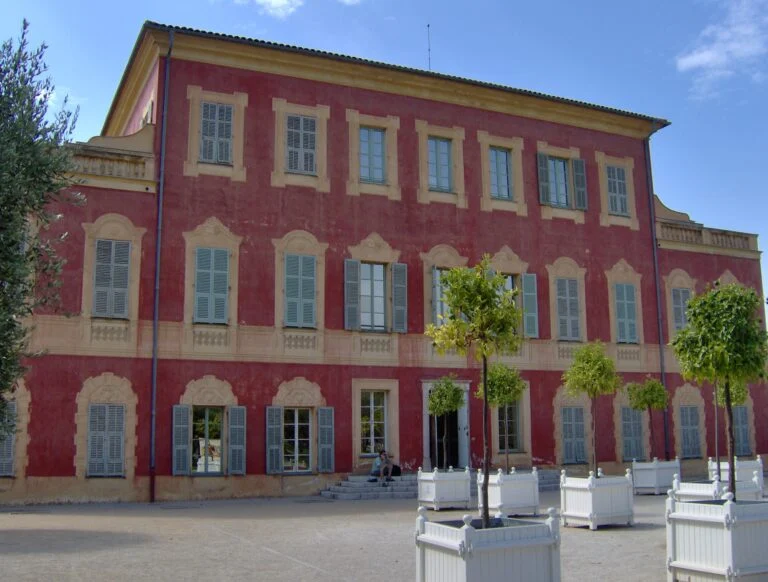
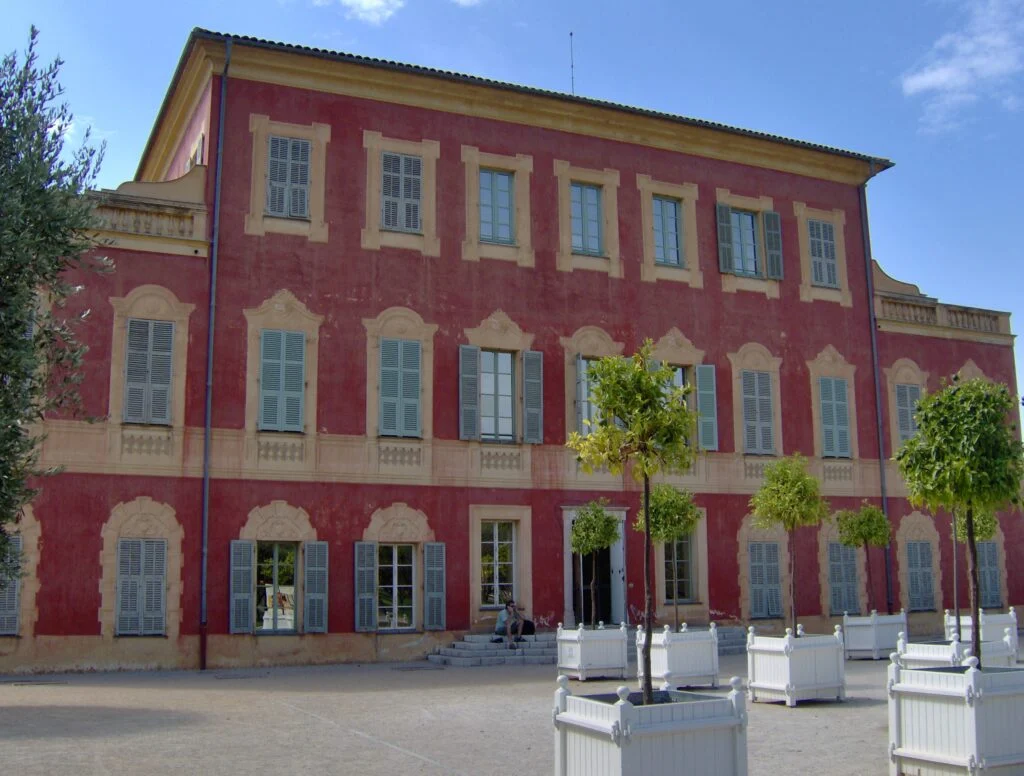
The Musée Matisse is situated in the Villa des Arenes, a historic Genoese villa set in a quiet neighborhood of Nice on the northern hill known as Cimiez. The villa's architecture and surrounding gardens contribute a peaceful atmosphere conducive to reflection and appreciation of art. The setting contrasts somewhat with the bustling Promenade des Anglais on the coast, offering a quieter, more contemplative museum environment.
The villa itself dates from the 17th century and has been adapted to house a modern museum collection. The exhibition spaces benefit from high ceilings, natural light, and white walls, providing a neutral backdrop that emphasizes the colors and forms of Matisse’s work. The proximity to other historical sites such as Roman ruins and the Cimiez Monastery enriches a visit for those interested in the broader cultural history of Nice.
Access to the museum is from the city center via public transport or on foot for those willing to walk uphill. The location, while charming, might present challenges for visitors with reduced mobility. Indoor space is moderate in size, which helps maintain an intimate viewing experience but may limit the extent of temporary exhibitions and large-scale installations.
Practical Information
Before visiting the Musée Matisse Nice, it is advisable to check the official website for the most current information on opening hours, ticketing, and visitor services. These details can vary seasonally or due to special events and exhibitions. Admission policies, including discounts or free entry categories, should also be verified in advance.
The museum may offer guided tours or audio guides, but details about these services should be confirmed directly through official channels. While the museum strives to be accessible, visitors with specific needs should inquire about facilities such as wheelchair access or assistance options before planning their visit, as older buildings can sometimes present constraints.
It is worth noting that the museum’s scale allows for a visit that can fit comfortably within a half-day itinerary, though art enthusiasts may wish to spend more time examining the varied works and accompanying documentation. Planning to combine this visit with nearby attractions in Cimiez or central Nice can provide a fuller experience of the city’s cultural offerings.
Why Visit
The Musée Matisse Nice holds particular appeal for visitors with a specific interest in Henri Matisse’s art and the regional context in which it was produced. It offers a focused opportunity to study the artist’s work in close proximity to the landscape that inspired him. For those acquainted with Matisse’s global reputation through reproductions or other museum collections, seeing original pieces in this setting adds layers of appreciation.
The museum confirms how the Mediterranean climate and landscape influenced Matisse’s use of color and forms. It also provides a tangible connection to the artist’s daily life and creative environment in Nice. The preservation of drawings, sculptures, and archival material enriches the straightforward admiration of his paintings by offering insight into his process and personal story.
However, the specialized focus means visitors with broader art interests or less familiarity with Matisse’s oeuvre might find the collection somewhat narrow. The museum is not designed around large blockbuster exhibitions but rather presents a more contained and thoughtful examination of one artist. Those hoping to explore other art movements or artists in depth will want to seek additional museums in the region or beyond.
In summary, this museum suits a somewhat patient and reflective visitor who values concentrated artistic study. Its location in a serene neighborhood adds a desirable contrast to coastal tourist hotspots in Nice. The experience is shaped by the collection’s strengths in demonstrating Matisse’s relationship to the place and medium, making this museum a distinct chapter in understanding 20th-century art from a regional perspective.
For those planning a visit, close attention to official sources will ensure an up-to-date and comfortable experience. While it does not cover every facet of modern art, the Musée Matisse Nice offers a meaningful encounter with one of the century’s most influential painters within a context shaped by both the artist’s vision and his adopted home.