Norwegian Museum of Science and Technology Review
Science Museums · Oslo, Norway. The Norwegian Museum of Science and Technology, situated in Oslo, stands as Norway’s principal institution dedicated to the history and development of science, technology, and industrial innovation. Its origins date back to the mid-20th…
Science Museums · Oslo, Norway. The Norwegian Museum of Science and Technology, situated in Oslo, stands as Norway’s principal institution dedicated to the history and development of science, technology, and industrial innovation. Its origins date back to the mid-20th…
Best forScience fans, families, hands-on learning
Review focusScience exhibits, innovation, and visitor planning
Historical Context
The Norwegian Museum of Science and Technology, situated in Oslo, stands as Norway’s principal institution dedicated to the history and development of science, technology, and industrial innovation. Its origins date back to the mid-20th century, founded with the intent to preserve artifacts and narratives integral to Norway’s technological progress and societal transformation. Over the decades, the museum evolved alongside Norway’s own industrial and scientific advances, adapting its exhibitions and collections to reflect changes from early mechanical inventions to modern digital technologies.
The museum’s collection spans several centuries, encompassing tools, machinery, inventions, and scientific instruments that chart historical shifts in Norwegian society as well as global technological trends. Its role extends beyond simple preservation; it aims to educate on how science and technology have shaped everyday life, economic structures, and cultural identity within Norway. This long-term institutional history positions the museum at the intersection of heritage and public engagement, navigating how to present complex scientific concepts and technological milestones to a broad audience. Situated in Oslo, the nation’s capital, the museum benefits from both a local and international profile, contributing to historical understanding amid rapid technological change.
What You See on Arrival
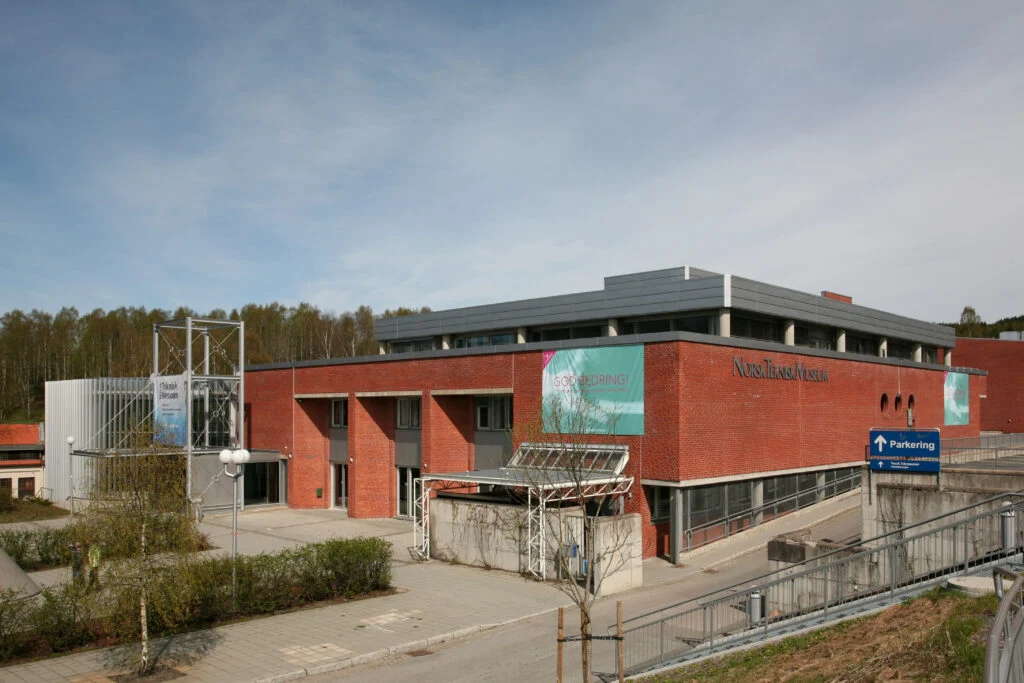
The museum’s external appearance and entrance area communicate a straightforward yet purposeful identity. Occupying a sizeable, industrial-type facility, the building itself reflects the technological themes within, though its architecture is more functional than decorative. This practical design choice aligns with the museum’s focus on technology and industry rather than aesthetic display. Upon entering, visitors are met with an environment that clearly signals a museum dedicated to scientific and technological topics, though large, dramatic installing or highly theatrical presentation elements are not the priority.
Signage and introductory panels emphasize a narrative of discovery and innovation, immediately framing the visit as a journey through the history of inventions and their societal impact. The lobby and entrance spaces typically include contextual materials, possibly some small display pieces or replicas, setting visitor expectations for a largely artifact-driven experience rather than an art-focused presentation. The scale and layout suggest a museum suitable for a wide demographic, from school groups and families to adult enthusiasts, though the overall impression is one of a serious educational institution rather than an entertainment venue.
Highlights and Key Exhibitions
The core strength of the Norwegian Museum of Science and Technology lies in its extensive and diverse permanent collections, which highlight several key themes and historical periods. One can expect to see a broad spectrum of artifacts relating to Norwegian industrialization and scientific development, with objects spanning from early traditional crafts and tools to advanced modern machinery.
A central focus is on the evolution of Norwegian transportation technology. This includes impressive exhibits of vintage cars, bicycles, motorcycles, and railway models that detail Norway’s infrastructural and mobility advances. These displays illustrate both technological ingenuity and the societal impacts of motorization and mechanization. The presence of maritime and aeronautical exhibits further broadens this transport narrative and reflects Norway’s connection to sea travel and early aviation.
The museum also gives considerable attention to energy production, a sector critical to Norway’s economy and technological landscape. Exhibits highlight hydropower development, an industry where Norway has historically been a global frontrunner. The display of related machines, diagrams, and explanatory panels offers insight into how energy technologies shaped both industry and daily life.
In addition, the museum addresses technological applications in communication, such as telegraphy, telephony, and early computing devices. This contextualizes Norway within the broader history of information technology, showcasing both the universal and unique aspects of its development.
Scientific instruments form another significant component. The collection includes devices related to physics, chemistry, and natural sciences, providing a window into experimental methods and scientific discovery processes from past centuries. These objects are often accompanied by explanatory materials that connect technical detail to larger scientific narratives.
While the museum emphasizes permanent collections, its approach to explaining technological impacts often goes beyond mere object display. Exhibitions tend to incorporate clear chronological frameworks and thematic divisions, allowing visitors to follow developments over time and understand cause and effect in technological shifts. However, the museum’s focus on Norwegian contributions means that international technological history is sometimes presented selectively, which visitors interested in wider global contexts should consider.
Visitor Experience
The museum’s layout and exhibit pacing aim to accommodate varied visitor interests and attention spans. The physical arrangement generally supports a logical progression through history and themes, though the density of displays might require selective viewing for those with time constraints or less prior technical knowledge.
Interpretive materials are designed to balance accessibility with depth. Text panels and labels usually provide straightforward explanations without excessive jargon, but some exhibits assume a degree of familiarity with scientific concepts or industrial history that might challenge casual visitors. Multimedia elements and interactive displays are present in certain sections, aimed primarily at younger audiences or visitors seeking hands-on engagement. These features complement the extensive artifact collections and help to enliven what could otherwise be a purely static experience.
The museum accommodates families and educational groups fairly well, with many exhibits tailored for school-age visitors. However, adults with specialist interests in particular technical areas may find some displays lacking the detailed context or analytical depth found in more specialized institutions or academic settings. Additionally, the museum’s focus on Norwegian technological heritage means that visitors looking for comprehensive global science and technology narratives might find certain areas less emphasized.
Crowd levels and visitor flow tend to be manageable, given the museum’s size and location outside the immediate city center tourist hubs. Thus, the visit is unlikely to feel rushed or overcrowded, which supports more reflective exploration. Wayfinding and signage inside the building generally enable independent navigation, though first-time visitors might benefit from supplementary guidance or structured visit plans to cover key themes efficiently.
Tickets, Access, and Planning
Potential visitors should consult the museum’s official website before setting their plans to obtain the latest and most accurate details on ticketing, opening hours, concessions, and accessibility services. Public transportation options in Oslo provide multiple access routes, though the museum’s specific location might require some walking or a secondary transit connection. Car parking availability and other transport details are best checked through local resources.
The museum does not primarily function as a commercial venue and may not have extensive amenities like large cafés or shops. Visitors planning to spend extended periods should consider this when arranging their visit. Accessibility provisions for mobility or sensory impairments are likely present but should be confirmed in advance to ensure a comfortable experience.
Since the museum actively serves educational purposes, group visits and organized tours may be available but typically require prior booking or inquiry. Audio guides and other interpretive supports might be offered, but their presence or quality can vary; those wishing to access such resources should verify current offerings before arrival.
Final Verdict
The Norwegian Museum of Science and Technology delivers a substantive and focused presentation of Norway’s scientific and technological history. It functions as a repository of important artifacts and a site for education about the nation’s industrial and scientific development. For visitors interested in Norway’s transport innovations, industrial heritage, or energy sector, the museum offers considerable material to study and appreciate.
The institution’s clear chronological and thematic structure, combined with a collection that covers several centuries, makes it a useful resource for those seeking an overview of technological progress within Norway’s unique context. Families, school groups, and general audiences will find exhibits approachable, though some sections demand more effort or prior knowledge to fully appreciate.
It is not, however, a museum set up for entertainment-first encounters or for extensive specialist research without supplementary preparation. Its geographically focused scope means that visitors looking for a comprehensive international science and technology narrative will need to supplement their visit with other institutions or resources.
Practical concerns such as location, access, and available visitor services do not present notable difficulties but require some advance checking to avoid surprises. The museum balances detailed content with general accessibility, though this balance may not satisfy every potential visitor’s expectations.
In conclusion, the Norwegian Museum of Science and Technology offers a rich and well-organized sample of Norway’s technological heritage. It is a valuable institution for understanding how science and technology have shaped the country’s modern identity. Visitors should approach it as a serious educational experience grounded in national history, prepared for straightforward, largely artifact-centered displays that prioritize clarity and context over spectacle.