Norwegian Museum of Science and Technology
Science Museums · Oslo, Norway. The Norwegian Museum of Science and Technology in Oslo is a museum dedicated to the history and development of technology, industry, and science in Norway. It offers a detailed account of how advances in…
Best forScience fans, families, hands-on learning
Setting / nearbyOslo, Norway
Overview
The Norwegian Museum of Science and Technology in Oslo is a museum dedicated to the history and development of technology, industry, and science in Norway. It offers a detailed account of how advances in technology have shaped Norwegian society over the past two centuries, as well as a look at scientific principles and innovations that have contributed to everyday life and industry. This institution serves as a repository of artifacts, machines, models, and exhibits illustrating engineering, transport, telecommunications, energy, and medical technology. It is aimed at a broad audience, including families, students, technology enthusiasts, and general visitors curious about how engineering and scientific progress impact daily life.
Situated in Oslo, Norway’s capital, the museum is one of the country’s largest and most comprehensive of its kind. Its focus extends beyond simple display to encourage understanding of the roles technology and science have played in shaping modern Norwegian identity and economy. While it reflects national history primarily, many exhibitions also include more general scientific concepts and historical international developments that relate to Norwegian innovations.
Collection Highlights
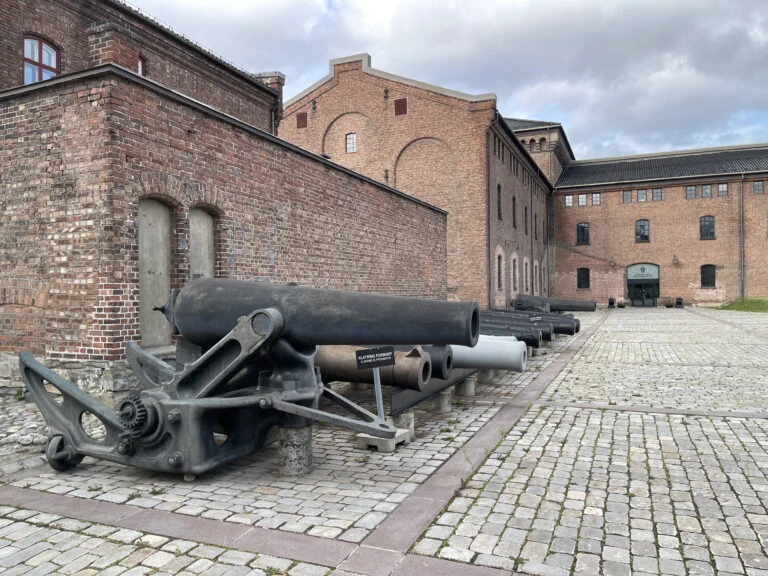
The collection at the Norwegian Museum of Science and Technology spans a wide array of technological fields, and has a strong historical dimension. Visitors encounter large industrial machines and engineering apparatuses that tell stories of Norway’s industrialization and modernization. Transportation-related exhibits include early automobiles, historic railway equipment, maritime engines, and aircraft models. These items showcase the technological solutions developed or adapted for Norway’s unique geography and climate.
The telecommunications section draws attention to the evolution of communication technologies within Norway, including telegraphy, telephony, early radios, and computing devices. As Norway played a role in early developments in telecommunications, this aspect of the collection demonstrates technological progress alongside social transformation.
A particularly distinctive part of the collection concerns energy production and utilization. Hydro power and electric energy development, vital to Norway’s economy and environment, are featured through informational exhibits and physical artifacts. This invites visitors to consider Norway’s technological path from traditional energy sources toward more sustainable practices.
Medical technology is another component, with exhibits on instruments, devices, and technologies that reflect changes in health care and medical science in Norwegian contexts. This section shows how scientific understanding has translated into tools for improving wellbeing.
Throughout the museum, scientific principles are integrated within the displays, often through interactive and educational exhibits designed to explain basics of physics, mechanics, and chemistry. These educational components can attract school groups and families with children interested in science.
Building and Setting
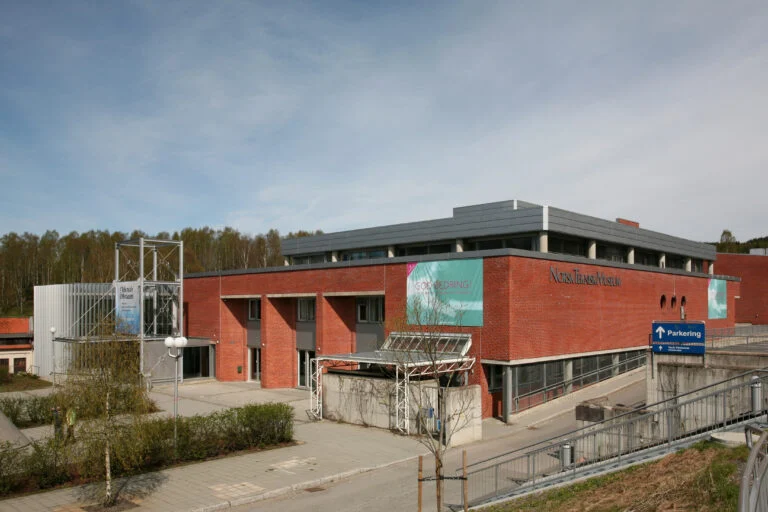
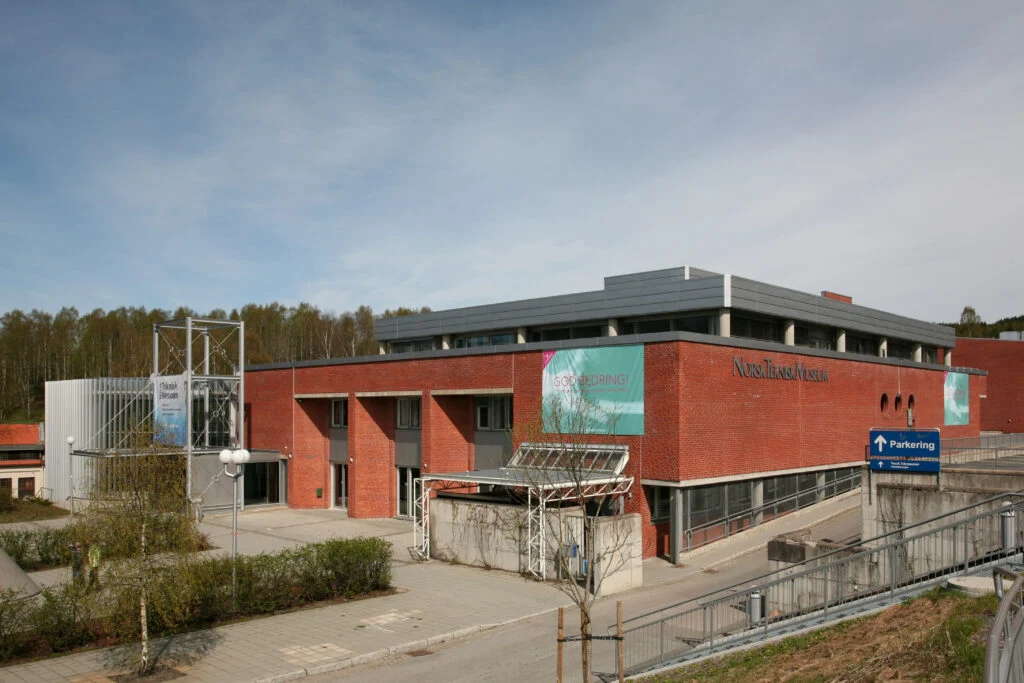
The museum is housed in a building that was originally designed for industrial purposes before being adapted as a public institution. Its architecture reflects early 20th-century industrial style with large spaces suitable for the display of big machinery and transport objects. The interior layout supports thematic zones, allowing visitors to move through different technological disciplines and historical periods with relative ease.
Located in Oslo, the museum’s urban setting provides convenient access for residents and visitors to the city. The surrounding area includes other cultural institutions, making it possible to combine visits as part of a more extended cultural itinerary. The museum's placement within an urban environment contrasts with the sometimes rugged, mountainous, and coastal environments explored by the historical content of its collections.
Practical Information
Potential visitors should check the museum’s official website before planning a visit for the most up-to-date information on opening hours, admission fees, discounts, guided tours, audio guides, accessibility services, and any special exhibitions or events. As with many museums focusing on technical and industrial history, some parts of the collection may not be suitable for very young children, but family-friendly areas and hands-on exhibits are designed to engage younger visitors.
The museum’s spatial layout, with its industrial scale and mechanical artifacts, means that mobility considerations should be taken into account. While efforts are likely made to accommodate visitors with restricted mobility, verification from official sources is recommended.
Why Visit
The Norwegian Museum of Science and Technology offers a focused look into Norway’s past and present through the lens of technological innovation and scientific development. It suits visitors interested in industrial history, engineering, energy production, and how technological advances interplay with society. The diverse range of objects, from heavy machinery to delicate instruments, provides an overview not only of Norwegian ingenuity but also how global technological trends were interpreted locally.
It may be particularly valuable for those who want to see the material culture of technology—the machines, devices, and systems in physical form—rather than just abstract narratives. The inclusion of interactive science exhibits helps to bring complex ideas within reach for visitors of different ages and backgrounds.
On the other hand, the museum’s strong national historical emphasis and technical focus might feel specialized or dense for guests seeking a lighter cultural experience based mainly on visual art or general heritage. Visitors looking for a broader overview of Norwegian culture might combine this visit with others in Oslo, such as museums dedicated to history, art, or folk culture.
In summary, the Norwegian Museum of Science and Technology provides substantial depth for those intrigued by the practical, scientific, and engineering dimensions of Norway’s history. Its situating in Oslo makes it accessible, and its extensive collection permits reflection on how technology has shaped social and economic development. For planning purposes and to make the best of the visit, consulting current official information is advisable.