Museo Automovilístico y de la Moda
Automobile Museums · Málaga, Spain. The Museo Automovilístico y de la Moda (Automobile and Fashion Museum) in Málaga, Spain, presents an unusual pairing that reflects a distinctive approach to cultural preservation and exhibition. It is primarily a transport museum…
Best forScience, technology, hands-on learning
Setting / nearbyMálaga, Spain
Overview
The Museo Automovilístico y de la Moda (Automobile and Fashion Museum) in Málaga, Spain, presents an unusual pairing that reflects a distinctive approach to cultural preservation and exhibition. It is primarily a transport museum dedicated to vintage and classic automobiles, but it intertwines this with a fashion collection that complements the eras of the vehicles on display. This combined focus aims to explore design and style not just in mechanics but as an expression of broader cultural trends across the 20th century, particularly the first half. Situated in Málaga, a city with rich cultural offerings, the museum adds a dimension to the local museum landscape, focusing on a niche that intersects history, technology, and style.
The museum's identity rests on this dual narrative: it is not solely about the technical or engineering history of automobiles; it also considers how fashion styles of various periods reflect societal changes, and how these two domains influence each other. This dynamic makes it distinct from purely automotive museums, offering a layered experience for visitors who might appreciate mechanical ingenuity as well as sartorial aesthetics. There is a clear focus on quality, preservation, and contextual storytelling through the objects displayed, which together invite reflection on changing tastes and technologies over the decades.
Collection Highlights
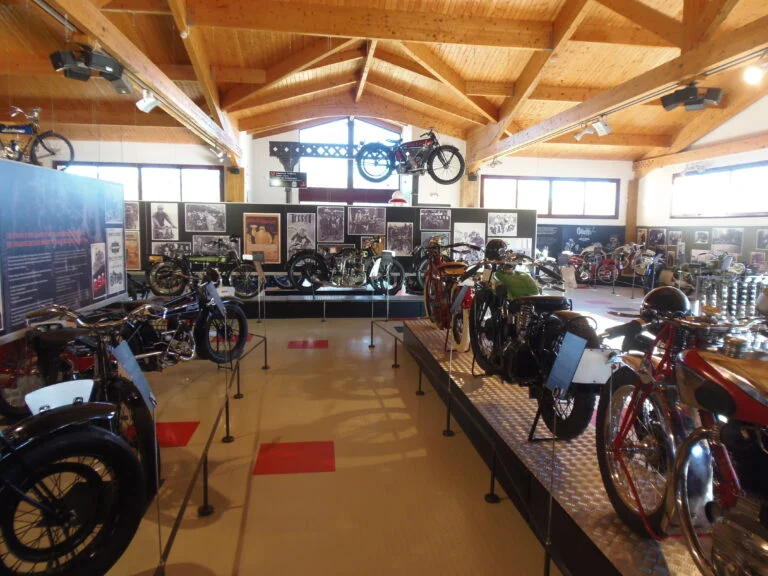
At the heart of Museo Automovilístico y de la Moda’s collection are its automobiles. The vehicles primarily represent models and marques from the first half of the 20th century, illustrating the development of automotive design and technology as cars transitioned from purely functional machines to symbols of status and style. Visitors can expect to see an array ranging from early motor cars to luxury models and possibly race cars, depending on exhibition variations. Each vehicle is typically well maintained and presented in a way that highlights its distinctive features and era.
Complementing the cars is a significant collection of fashion items that span roughly the same period. This includes clothing, accessories, and related objects that provide insight into how people dressed in the decades when the cars were in active use. The garments and fashion artifacts are chosen to resonate with the automotive timeline, making clear connections between how mobility and culture influenced each other. The costumes offer a tangible sense of period atmosphere, illustrating changing social codes, craftsmanship, and aesthetics.
The presentation style reserves space for detailed labeling and contextual information, helping visitors understand the historical and cultural significance of each piece. The museum often arranges the items thematically or chronologically, allowing one to follow developments in design alongside broader social changes. Some vehicles or outfits may have particular provenance or notable past owners, although visitors should check updates since exhibits can rotate or change with special shows.
Building and Setting
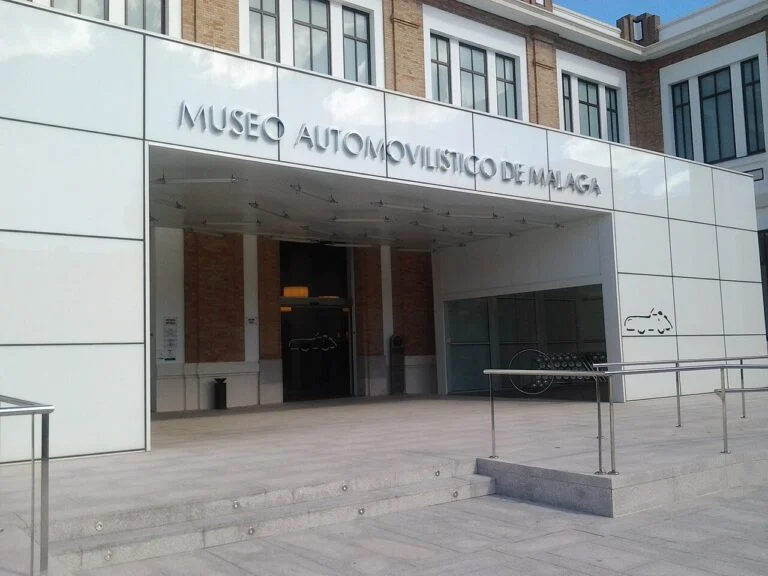
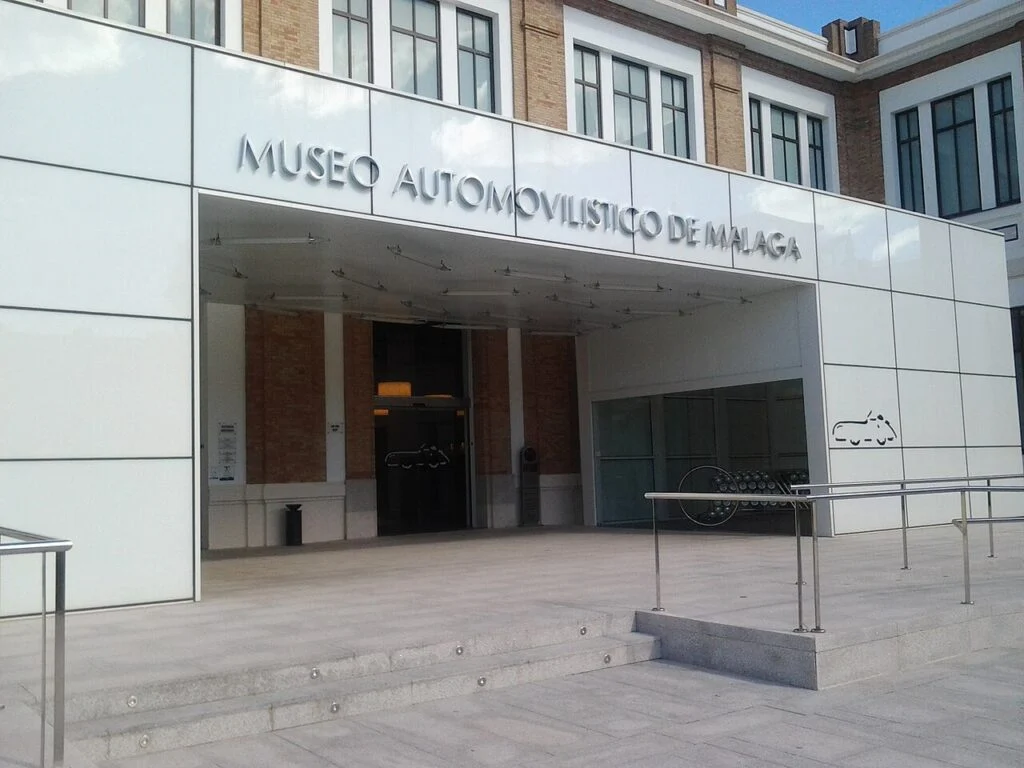
The museum is housed in a modern facility that supports the display needs of vintage automobiles and delicate fashion ensembles alike. The setting is designed to allow natural light alongside well-controlled exhibition lighting to enhance the viewing experience. The architecture is relatively neutral, focusing visitor attention on the objects themselves rather than ornate surroundings, although careful space planning maximizes the flow and the physical relationship between the vehicles and fashion displays.
Located in Málaga, the museum benefits from its urban context, which encourages visits alongside other cultural activities in the city. This accessibility makes it convenient for tourists or local visitors interested in 20th-century design from distinct yet complementary perspectives. The museum’s spatial arrangement is structured to facilitate a clear visitor path, so you can move through periods and themes without confusion. Spaces for rest or reflection may be present but are not emphasized in descriptions, so visitors interested in a longer, comfortable visit should prepare accordingly.
Practical Information
For those planning a visit, it is advisable to check the official Museo Automovilístico y de la Moda website or contact the institution directly for the latest information on opening hours, admission fees, and any health or safety protocols that might be in place. Admission policies, availability of guided tours, audio guides, or temporary exhibitions can vary over time.
The museum is likely to attract a diverse audience including enthusiasts of classic cars, students of fashion history, and visitors with general interest in 20th-century cultural trends. Its content can also hold appeal for families, although the museum is primarily a quiet exhibition space and may not be specifically geared to very young children. Accessibility details or parking arrangements are best confirmed through official channels to avoid inconvenience. There may be standard museum provisions like a gift shop or café, but these are not a central feature to rely on.
Why Visit
Museo Automovilístico y de la Moda offers a particular blend of themes that sets it apart from more specialized or single-focus exhibits in Málaga and beyond. Its strength lies in combining automotive heritage with the visual and material culture of fashion, creating dialogues between objects that highlight the changing social and technological landscapes of the early to mid-20th century. For visitors fascinated by design evolution, the museum invites exploration of craftsmanship, style, and innovation in parallel.
It suits those who appreciate a thoughtful museum presentation that goes beyond the nuts and bolts of car history to interpret lifestyle and cultural shifts. The presence of fashion items paired with vehicles illustrates how advancements in transport technology and expressions of personal identity through dress have historically influenced one another.
That said, those seeking an exhaustive technical history of cars or a comprehensive fashion history might find the collection selective rather than encyclopedic. It favors a conceptual narrative within specific time frames and objects rather than exhaustive coverage. This curatorial choice might be intentional, focusing visitor attention on the relationship between mobility and societal trends rather than presenting isolated facts.
Overall, the Museo Automovilístico y de la Moda is a considered option for visitors to Málaga who are looking for a museum experience that connects machines and human stories through style and function. It offers a quieter, more reflective environment than many busier tourism sites, rewarding those with interest in early 20th-century culture in several compelling dimensions. For any museum visitor, confirming practical details before a visit is recommended, and preparing for a self-paced exploration will help make the most of its offerings.