World of Volvo Review
Automobile Museums · Gothenburg, Sweden. World of Volvo in Gothenburg, Sweden, offers a specialized museum experience centered on one of the country’s most significant manufacturing legacies. Volvo, established in 1927, has played a major role in Swedish industrial history,…
Automobile Museums · Gothenburg, Sweden. World of Volvo in Gothenburg, Sweden, offers a specialized museum experience centered on one of the country’s most significant manufacturing legacies. Volvo, established in 1927, has played a major role in Swedish industrial history,…
Best forMaritime history, ships, harbour heritage
Review focusVehicle collections, design history, and visitor planning
Historical Context
World of Volvo in Gothenburg, Sweden, offers a specialized museum experience centered on one of the country’s most significant manufacturing legacies. Volvo, established in 1927, has played a major role in Swedish industrial history, designing and producing cars, trucks, buses, construction equipment, and marine and aerospace components. As an international brand recognized for safety, engineering, and durability, Volvo’s products have influenced automobile technology and industrial design worldwide. The museum reflects this heritage by charting the company’s development from a local car manufacturer to a global enterprise.
Located near Volvo’s production facilities in Gothenburg, the museum situates itself within the story of Sweden’s industrial growth and the evolution of transportation in the 20th and 21st centuries. It doesn’t just highlight passenger cars but also conveys Volvo’s broader footprint, including heavy vehicles and innovations in safety and sustainability. This focused narrative connects not only to automotive enthusiasts but also those interested in industrial design, engineering, and Swedish economic history.
The museum opened in 1995 and has since been updated to reflect new technologies and corporate directions. It also acknowledges Volvo’s ongoing emphasis on environmental concerns, showcasing shifts in vehicle technology over decades. While the presentation is corporate in origin, the museum aims to provide a public view of Volvo’s influence, balancing both technological achievement and cultural significance.
What You See on Arrival
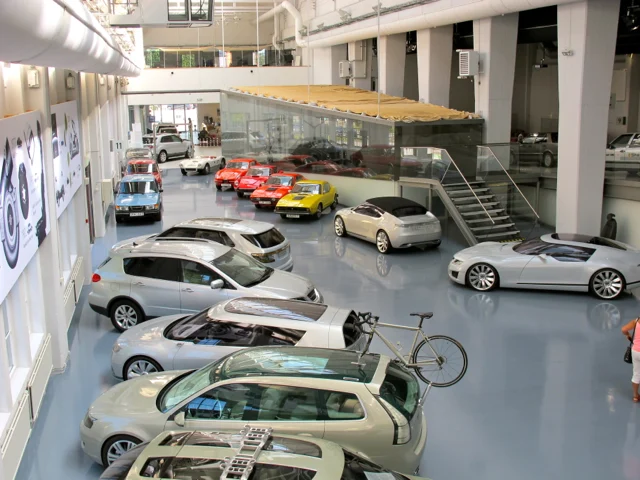
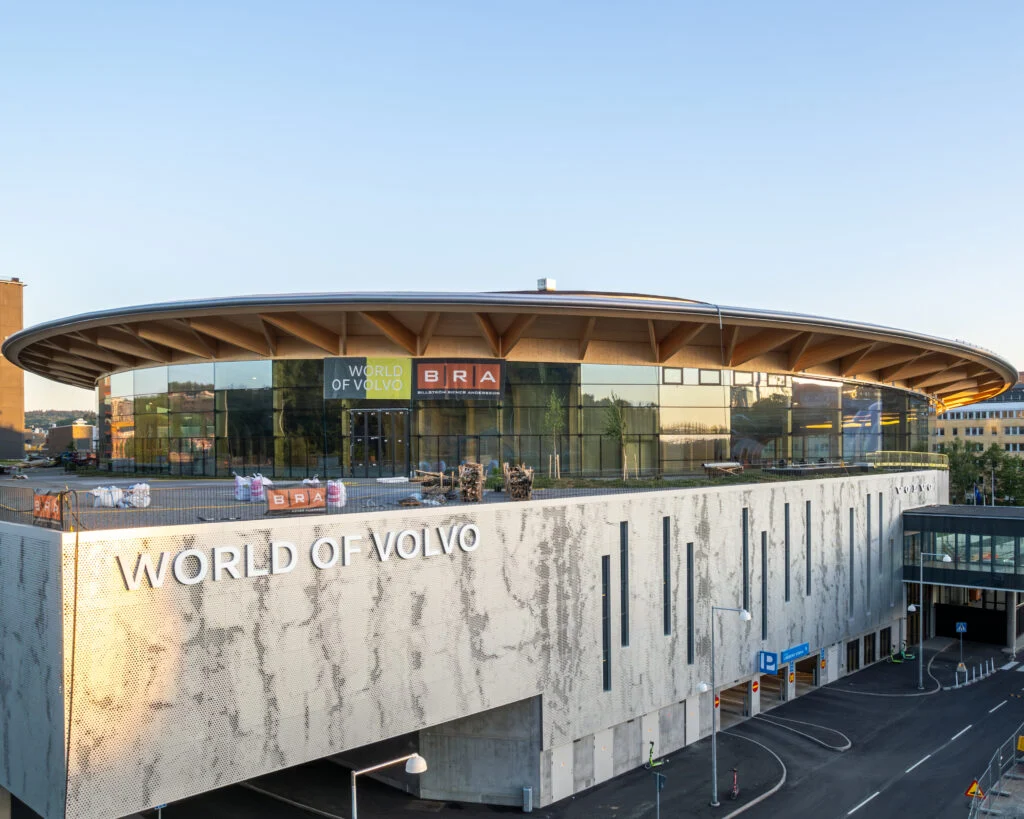
On arrival, visitors encounter a modern, purpose-built facility characterized by clean lines and an industrial aesthetic, consistent with Volvo’s image of precision engineering. The museum’s entrance area serves as an immediate statement about the subject matter: displays of vintage and modern vehicles visible through large windows offer a hint of the collection inside.
The atmosphere is structured and accessible rather than theatrical, with an emphasis on clarity and factual presentation. There is no attempt to over-embellish the space with gimmicks; instead, the design reflects Volvo’s corporate values of functionality and rationality. Visitors are likely to notice the scale of the exhibits from the outset — full-sized cars, trucks, and smaller automotive components arranged carefully to allow close examination.
Interpretive signage and display panels begin the narrative in the arrival zone, preparing visitors for an experience that combines artifact viewing with multimedia elements. The building’s layout intuitively guides visitors from early automotive history through to contemporary innovations, framing Volvo’s story within a linear chronological structure. This approach helps to orient the visitor to the museum’s focus and scope without overwhelming with excessive detail at the start.
Highlights and Key Exhibitions
The core exhibition is divided broadly into themes covering Volvo’s passenger cars, commercial vehicles, and technological innovations. Early production models are notable, including the Volvo ÖV 4 from the late 1920s, which illustrates the company’s origins. These are presented alongside industrial design sketches and company documents that contextualize the manufacturing process and design development.
A significant portion of the display is devoted to Volvo’s renowned safety innovations, a defining feature of the brand. Exhibits demonstrate how advances such as the three-point seatbelt, crumple zones, and side-impact protection were developed and integrated into vehicles. Interactive displays detail crash test procedures and safety research, underscoring Volvo’s role in raising industry standards. These components are well-curated, making technical content accessible to a general audience.
The commercial vehicle section includes trucks and buses, tracing their technological evolution and highlighting Volvo’s role in freight and public transportation. This part of the museum is less celebrated in popular media but forms a substantive element here, showing an industrial breadth that caters to specialists as well as the interested public.
Environmental sustainability is another prominent theme. Exhibits document Volvo’s efforts to produce cleaner engines, incorporate electric vehicle technology, and explore future transportation concepts. Although a corporate perspective naturally colors this part of the narrative, the presentation includes critical milestones and acknowledges ongoing challenges in automotive emissions and energy consumption.
A collection of engines, chassis, and other components is displayed with technical annotations, appealing to those with an interest in mechanics and engineering. Photographs, films, and personal stories from employees add contextual layers, bringing human experience into a technically oriented exhibition.
Visitor Experience
The museum’s pacing allows visitors to proceed at a moderate speed, with sections clearly demarcated to encourage gradual exploration. The design encourages engagement without clutter or sensory overload, favoring clear sightlines and well-spaced exhibits. The inclusion of multimedia elements enhances understanding but does not dominate the experience, retaining a museum style rooted in tangible artifacts.
Interpretation is geared towards a broad audience but assumes some basic interest in cars or technology. Younger visitors or those unfamiliar with mechanical terms may find certain parts dense, though explanatory texts are generally straightforward. The diversity of exhibits means different visitor interests can be accommodated within a single visit.
The experience is strongest for those attracted to industrial design, historical technology, and corporate history. It offers a detailed case study of a major automotive company’s culture and output. However, it is less suited for visitors seeking a broader cultural or social history of automobiles. The focus remains tightly on Volvo rather than situating the company extensively in global automotive developments or consumer culture.
Visitor flow tends to be steady but not overcrowded, allowing for inspection of vehicles and smaller artifacts alike. The museum’s layout minimizes backtracking, which aids clarity but may feel somewhat linear to those preferring a more exploratory visit. Some areas emphasize static display over interactive engagement, a choice that will satisfy traditional museum visitors but might limit appeal for family groups seeking hands-on activities.
Tickets, Access, and Planning
World of Volvo is situated in a light industrial area in Gothenburg, which may require planned transport arrangements beyond central city transit. Visitors should consult the museum’s official website for current information on opening hours, admission costs, discounts, group visit protocols, and accessibility options. Details on guided tours and interpretive aids are also best confirmed in advance.
Given the museum’s specialized nature, planning to include this visit alongside other sites of interest in Gothenburg or the Swedish west coast region would be advisable. The experience benefits from dedicated time, especially for those wishing to absorb the technical and historical materials thoroughly.
Final Verdict
World of Volvo presents a focused account of one of Sweden’s most iconic industrial brands through a collection of vehicles, technical components, and interpretive exhibits. Its strength lies in documenting Volvo’s corporate history with clarity and a strong emphasis on engineering achievements, especially in safety and environmental technology.
The museum’s presentation is functional and precise, mirroring the ethos of the company it showcases. While it may not engage every visitor seeking a broad social or cultural narrative about cars, it serves admirers of industrial history and automotive design well. Attention to detail and curated inclusions of personal work stories add depth beyond what might be expected from a corporate museum.
The practicalities of access and planning mean it demands some preparation before visiting, and the experience is best suited to those with an interest in Volvo or industrial heritage. Overall, the museum offers substantive content in a well-organized setting with a professional approach that avoids unnecessary embellishment.
Readers considering a visit should verify current visitor information through official channels but can expect a thoughtful and informative journey into Volvo’s historical and technological significance.