Muzeul Național de Artă al României Review
Art Museums · Bucharest, Romania. Muzeul Național de Artă al României (the National Museum of Art of Romania) in Bucharest holds a distinguished place in Romania’s cultural landscape. Established initially in the 19th century, the museum underwent several transformations…
Art Museums · Bucharest, Romania. Muzeul Național de Artă al României (the National Museum of Art of Romania) in Bucharest holds a distinguished place in Romania’s cultural landscape. Established initially in the 19th century, the museum underwent several transformations…
Best forMasterpieces, architecture, cultural history
Review focusCollections, curatorial focus, and visitor planning
Historical Context
Muzeul Național de Artă al României (the National Museum of Art of Romania) in Bucharest holds a distinguished place in Romania’s cultural landscape. Established initially in the 19th century, the museum underwent several transformations before assuming its current form in the mid-20th century. Housed principally in the former Royal Palace, the institution carries an inherent historic weight, linking Romania’s royal heritage with its cultural and artistic ambitions. The museum’s roots lie in the effort to collect and preserve Romanian artworks alongside international pieces that have found their way into national collections. Over time, the museum expanded its holdings, navigating political changes and shifting cultural policies during Romania’s 20th-century history, including the communist period, which influenced aspects of curation and acquisition policies.
Despite these challenges, the museum’s mission remained consistent: to present Romanian art within a broader European framework, while fostering an understanding of the country’s artistic evolution. Its collections today reflect a continuum from medieval religious art and iconography to modern and contemporary canvases, offering a comprehensive panorama of Romanian art history. The fact that the museum occupies the former Royal Palace adds a layer of complexity to the visitor’s understanding, linking the artistic narrative to the nation’s socio-political developments.
What You See on Arrival
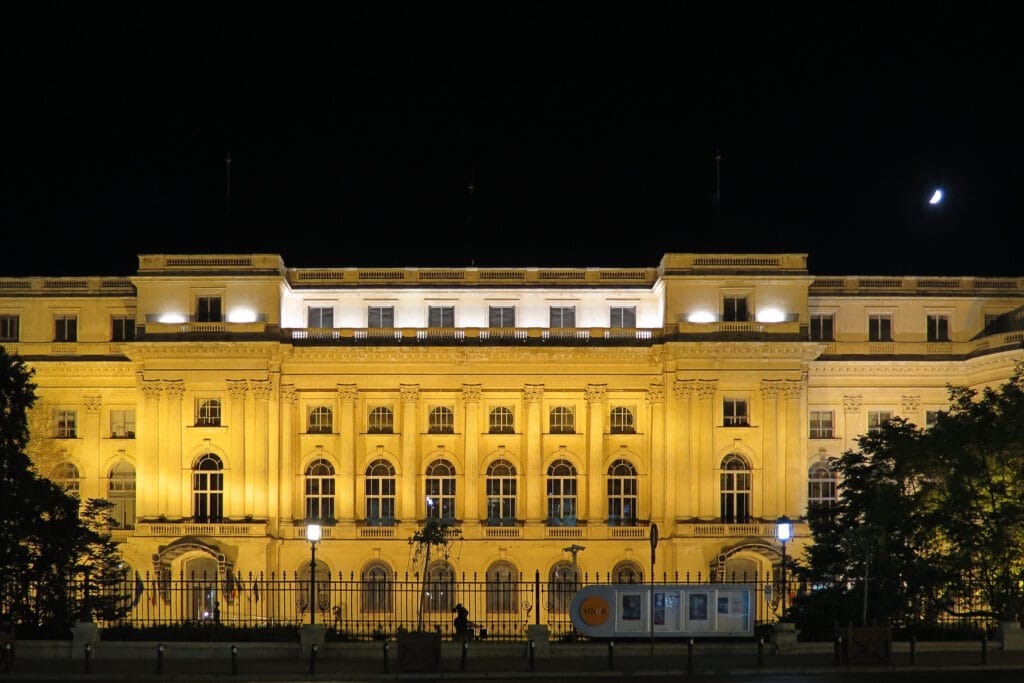
Approaching Muzeul Național de Artă al României, visitors immediately encounter the grand neoclassical façade of the former Royal Palace. The building itself serves as a significant part of the museum’s identity, communicating a sense of history and formality befitting a national art repository. The palace, restored and adapted for museum use, communicates its dual role as a cultural monument and a space to house diverse art collections. The presence of institutional signage is discreet rather than overwhelming, maintaining architectural dignity while orienting visitors.
The museum’s entrance area sets the tone for the visit, framing expectations with a formal atmosphere that speaks of weighty cultural importance. Although not a state-of-the-art contemporary museum building, the palace’s architecture offers clear legibility and a strong contextual foundation. Visitors get a sense that the museum will carefully navigate the relationship between artistic objects and national history, rather than opting for purely commercial or experiential appeal.
Inside, the museum’s layout respects the origins of the palace with grand staircases, high ceilings, and rooms adapted to artworks without drastic modern interventions. This can help visitors prepare for a certain mode of engagement, one where the architectural context colors the perception of the exhibits. The entrance(s) and reception points typically manage visitor flow toward the main collection galleries, giving a straightforward, if somewhat traditional, visitor circulation pattern.
Highlights and Key Exhibitions
Muzeul Național de Artă al României’s permanent collection stands as its core strength, organized primarily into Romanian and European art. One of the greatest assets for visitors interested in Romanian cultural history is the extensive assembly of works covering several centuries.
The Romanian medieval and early modern art collection anchors the museum’s narrative. Particularly noteworthy are the religious icons and ecclesiastical art, some dating as far back as the 14th century. These objects illuminate the country’s Orthodox traditions and the artistic techniques associated with Byzantine influence. Frescoes, altar screens, and painted woodworks are displayed with attention to their materiality and devotional context, offering a rare comprehensive view of Romania’s medieval artistic heritage.
Moving into the modern era, the museum holds significant works from the 19th and early 20th centuries, a period marked by Western European influences mingling with local artistic currents. Here, visitors encounter portraits, landscapes, and genre paintings by pivotal Romanian painters such as Theodor Aman, Nicolae Grigorescu, and Ion Andreescu. These artists are essential for understanding Romanian art’s development within the broader European context, capturing a shift toward realism and academic painting, followed by early steps toward modernism.
The museum also presents an important section dedicated to modern and contemporary Romanian art. Artists like Gheorghe Petrașcu and Ștefan Luchian feature prominently, displaying post-impressionist influences and movements within the country’s evolving art scene. This section broadens visitors’ appreciation by tracing local reinterpretations of European artistic trends and the gradual emergence of uniquely Romanian modernist voices.
In addition to Romanian art, the European collection is a substantial complement. It includes Old Masters and post-Renaissance paintings, primarily from Western Europe and highlighting Dutch, Flemish, Italian, and Spanish schools. Visitors can expect to see works by artists such as El Greco, Rembrandt, and others, although the collection emphasizes quality over quantity. These artworks provide meaningful counterpoints to the national art narrative, allowing visitors to gauge stylistic and thematic interplay between Romanian and European artistic traditions.
Sculpture and decorative arts collections further enrich the museum experience. While perhaps not as extensive or as prominently displayed as the paintings, these collections contribute context and variety. Areas devoted to glasswork, ceramics, and applied arts illustrate facets of Romanian material culture often missed in purely fine-art oriented institutions.
The museum’s exhibition design generally reflects an academic and chronological approach. This method helps ensure historical context is present but can sometimes feel formal or density-heavy. Large wall texts, catalogue references, and didactic panels accompany many pieces, which may appeal to visitors with a strong interest in art history or scholarship.
Visitor Experience
Visitors who approach Muzeul Național de Artă al României with an interest in the history and development of Romanian art are likely to find the museum well-tailored to their needs. The institutional focus on national art, carefully arranged and contextualized, supports a more in-depth engagement rather than casual browsing.
Pacing through the galleries tends to favor lengthier visits as audiences process the diverse periods and artistic styles represented. The museum environment itself encourages a reflective atmosphere, supported by classical architectural elements and quieter gallery spaces. The absence of overwhelming multimedia distractions can be a relief to those seeking a traditional art museum experience.
Interpretation is straightforward with generally thorough texts, although visitors unfamiliar with Romanian history or artistic terminology may encounter occasional difficulties. The museum’s reliance on written information rather than multimedia or interactive content may affect accessibility for some audiences, particularly younger visitors or those with limited background knowledge of Romanian art history.
In terms of crowd management, the museum’s location in Bucharest’s central area and its physical scale typically moderate visitor flows. The palace design means some galleries may feel formal or institutional, which could be less appealing to visitors expecting a highly contemporary museum atmosphere. Nonetheless, the layout helps maintain a logical progression through the collections, with a focus on art object quality and historical significance.
One notable limitation is that the museum’s physical size and adaptation from a former palace building impose constraints on exhibition space and contemporary display methods. Visitors might find some rooms feeling smaller or less flexible than purpose-built museum venues, which can affect the experience of larger-scale shows or installations. Also, in line with many national museums, updates to collection presentation can be gradual, meaning the exhibition style might appear dated compared to the changing museum landscape seen elsewhere in Europe.
Tickets, Access, and Planning
Practical information remains critical for potential visitors planning to explore Muzeul Național de Artă al României. Given its prominence and central location, the museum is generally accessible via Bucharest’s public transport network and pedestrian routes from other cultural sites in the city. However, individual circumstances like mobility needs or group visit arrangements should be examined in advance.
Official details such as opening hours, ticketing policies, available discounts, guided tours, audio guides, and accessibility features are subject to change. Visitors are advised to consult the museum’s official website before planning a visit for the most current and accurate information. This approach ensures travelers avoid unexpected closures or restricted access, especially given that governmental and institutional regulations can vary.
While the museum offers a substantial permanent collection, potential visitors should be mindful that temporary exhibitions or special programming updates might affect accessibility to certain galleries. Without updated schedules online, this factor requires direct inquiry or verification.
Because the museum is housed in a historic building, some typical modern accessibility conveniences might be limited compared to new constructions. Checking in advance for elevator access, seating, and other accommodations would benefit visitors with specific needs.
Final Verdict
Muzeul Național de Artă al României serves as a major repository of Romanian cultural and artistic heritage, framed within a European art historical context. Its home in the former Royal Palace lends historical and architectural significance that deepens the visitor’s understanding of Romania’s cultural identity. The museum’s strength lies in its broad, chronologically organized collections, particularly its compelling holdings in Romanian medieval and modern art. These collections offer a valuable opportunity for those interested in exploring the nation’s artistic journey from Byzantine-influenced religious works to modernist evolutions and contemporary expressions.
However, the museum’s experience may feel formal and traditional, reflecting both its historic building and longstanding curatorial approach. Visitors looking for a more interactive or cutting-edge presentation style might find the displays less engaging or innovative than those in newer museums. The reliance on conventional didactic materials and the lack of extensive multimedia or innovative interpretive tools could limit appeal for some audiences, especially younger visitors or those less familiar with Romanian art.
Given its central location and strong emphasis on national art, the museum fits well within Bucharest’s broader cultural offerings. It functions as a critical institution for scholars, students, and culturally motivated visitors who seek substance over flash. At the same time, the physical layout, occasional density of text, and somewhat reserved presentation style mean planning visits with clear thematic interests or prior knowledge will enhance appreciation.
In summary, Muzeul Național de Artă al României stands as an indispensable institution for understanding Romanian art history, offering a significant selection of artworks complemented by a historic venue with strong cultural resonance. Its value lies in its collections and context, rather than in any spectacular architectural innovation or visitor experience avant-garde. Prospective visitors should prepare accordingly, verifying current access details and considering their interests to make the most of what the museum provides.