Muzeul Național de Artă al României
Art Museums · Bucharest, Romania. The Muzeul Național de Artă al României, situated in Bucharest, is Romania’s primary repository for fine arts, chronicling the country’s artistic development alongside notable European influences. As an art museum, it aims to present…
Best forMasterpieces, architecture, cultural history
Setting / nearbyBucharest, is Romania’s primary repository for fine arts, chronicling the country’s ar
Overview
The Muzeul Național de Artă al României, situated in Bucharest, is Romania’s primary repository for fine arts, chronicling the country’s artistic development alongside notable European influences. As an art museum, it aims to present a wide spectrum of Romanian and international art, spanning from medieval to modern periods. Its role in preserving and displaying Romanian cultural heritage helps contextualize the evolution of art in this part of Eastern Europe. The museum appeals particularly to visitors interested in national identity through art and viewers looking to explore connections between Romanian works and broader European artistic movements. While it focuses mainly on painting and sculpture, other art forms receive occasional attention in temporary exhibitions.
Collection Highlights
The museum is organized into distinct sections that allow for focused exploration of Romanian and European art. The Romanian collection is central, featuring works from various historical periods. A strong emphasis lies on medieval religious art, with examples of Orthodox icons that reflect Romania’s historical relationship with Byzantine aesthetics and Orthodox Christianity. These icons often display intricate detail and vivid coloration, suggesting devotional use and the importance of religious narrative in Romanian culture.
The modern and contemporary Romanian art sections present a variety of styles and periods, mapping artistic trends from the 19th century through the mid-20th century. Visitors may encounter painters who grappled with Romanian identity, rural life, and landscapes, as well as those who engaged with European avant-garde influences. Sculptural works from Romanian artists are also part of this narrative, providing a three-dimensional counterpart to the painting collections. While the museum features some renowned Romanian artists, names might be less familiar internationally but are significant within the national context.
Complementing the Romanian works is a European collection that includes Old Masters alongside later periods. Paintings from Italian, Dutch, Flemish, German, and French schools offer insight into the larger artistic milieu that worked alongside or influenced Romanian art. The European holdings provide a comparative frame, though the depth and breadth of this part of the collection may not match dedicated Western European art institutions.
The museum’s occasional special exhibitions often explore thematic or stylistic topics, sometimes bringing together Romanian and foreign works to highlight particular artistic dialogues or historical moments. These exhibitions can add a dynamic element, though their frequency and exact content vary over time.
Building and Setting
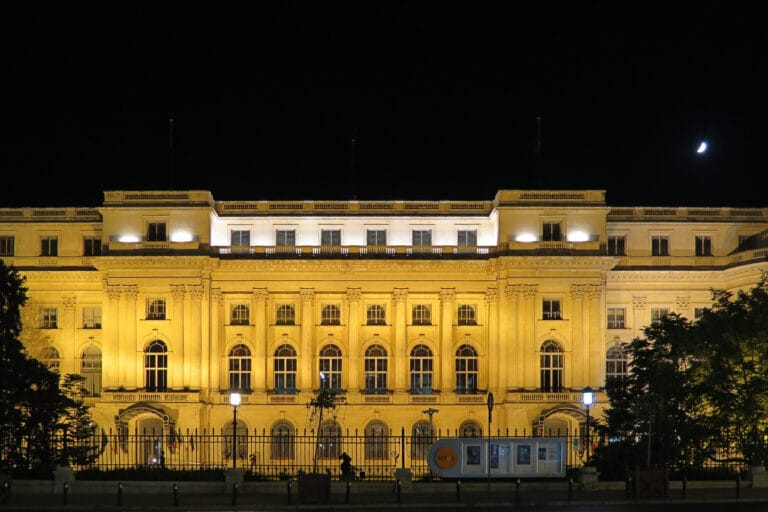
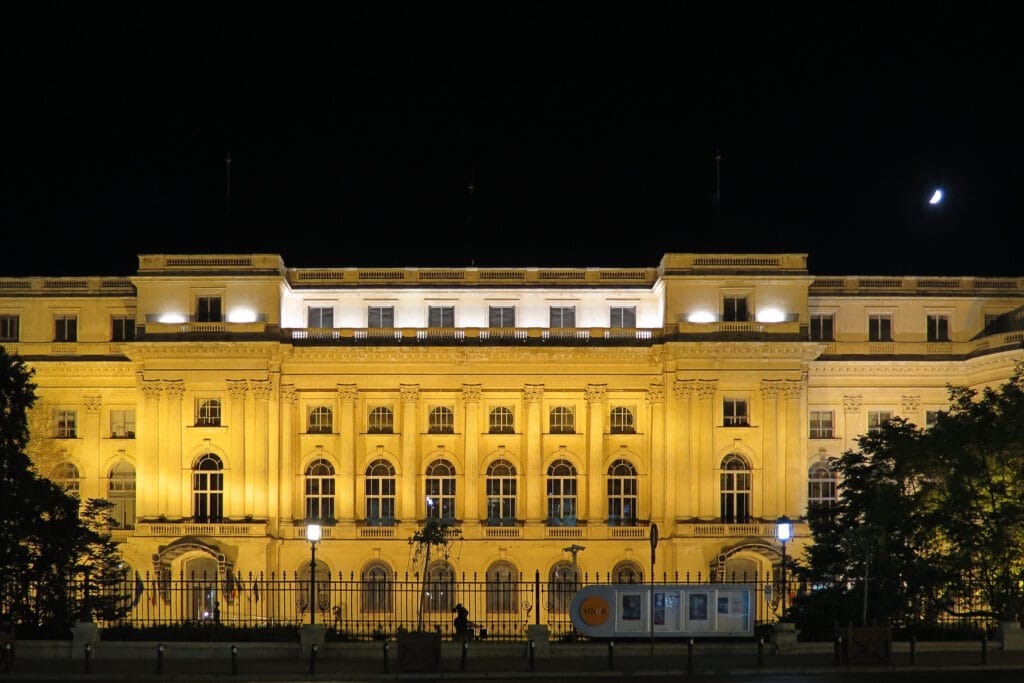
The museum is housed in the former Royal Palace, a substantial structure with an architectural history that reflects both its original residential function and later institutional use. The palace’s design carries elements typical of early 20th-century neoclassical and historicist styles, adjusted through renovations after wartime damage. The building’s size and layout support a coherent visitor flow through various galleries, though some areas might feel grandiose in scale, which can either enhance or somewhat dilute the intimacy of the art viewing experience.
Situated in central Bucharest, the museum benefits from a location close to other cultural and governmental buildings, integrating it within the city’s historical and civic fabric. The entrance is prominent, and the interior spaces combine large reception halls with more intimate gallery rooms. Lighting and display conditions vary; while the museum has made efforts to present collections suitably, some galleries may feel less optimized for natural light or adaptable exhibition layouts.
Practical Information
Potential visitors should confirm practical details such as opening hours, ticket prices, discounts, booking requirements, accessibility accommodations, and any available tours via the museum’s official website, as these can change. The museum is equipped to handle various visitor needs, but specific services and facilities should be verified in advance.
The scale of the collection means that a single visit might only allow for a partial view, so planning which sections to prioritize can enhance the experience. Audio guides or printed guides might be available but are best confirmed before arrival. For those with mobility concerns, the historic building may present some challenges, so checking accessibility provisions is recommended.
Why Visit
Choosing to visit the Muzeul Național de Artă al României offers a chance to engage with the country’s artistic heritage in a focused, institutional setting. The strength of the collection lies in its Romanian art holdings, which provide a perspective on national themes, religious influences, and artistic evolutions not always visible in other European museums. For those interested in how Romanian art dialogues with wider European traditions, the arrangement of Romanian and foreign works side-by-side can offer useful context.
The museum is well suited for visitors with an interest in religious art, nationalism in visual culture, and the trajectory of Eastern European artistic styles. While its European collection is helpful for comparison, it may not rival larger, specialized Western European art museums in scope or depth.
Any visitor attracted to architectural settings will find the Royal Palace building noteworthy, though those primarily seeking a modern or minimalist exhibition environment might find the space less tailored to contemporary museological standards. The museum’s curatorial choices emphasize historical continuity and national pride, which some visitors may find appealing, while others might notice a certain traditional or formal presentation that could feel somewhat dated by current international museum practices.
Overall, the Muzeul Național de Artă al României stands as a significant cultural institution within Bucharest. It balances the roles of archival preservation and public display, inviting visitors to consider Romanian artistic identity through centuries of creative expression. It fits comfortably within itineraries focused on Romanian culture, Eastern European art, or broader historical encounters through painting and sculpture. Those who prepare by identifying personal interests within the collection categories can gain a richer experience from their visit.