German Maritime Museum Review
Maritime Museums · Bremerhaven, Germany. The German Maritime Museum, located in Bremerhaven, Germany, stands as a monument to the nation’s extensive and nuanced relationship with the sea. Founded in the 1970s, this institution aims to preserve and present the…

Maritime Museums · Bremerhaven, Germany. The German Maritime Museum, located in Bremerhaven, Germany, stands as a monument to the nation’s extensive and nuanced relationship with the sea. Founded in the 1970s, this institution aims to preserve and present the…
Best forMaritime history, ships, harbour heritage
Review focusMaritime collections, ship history, and visitor planning
Historical Context
The German Maritime Museum, located in Bremerhaven, Germany, stands as a monument to the nation’s extensive and nuanced relationship with the sea. Founded in the 1970s, this institution aims to preserve and present the maritime heritage that has been pivotal in shaping the economic, cultural, and technological development of Germany and the broader North Sea and Baltic Sea regions. Bremerhaven itself, historically a major seaport and shipbuilding hub, provides an authentic contextual backdrop for the museum’s comprehensive narrative. The museum’s scope extends beyond mere ship exhibits to encompass broader themes such as maritime trade, navigation, fishing, and marine science, reflecting how the sea has influenced German society across centuries. It bridges the historical with the technological, offering insights into both traditional seafaring and modern maritime industries, thereby situating itself as an essential destination for those interested in nautical history and maritime culture.
What You See on Arrival
Approaching the German Maritime Museum, visitors are greeted by a striking waterfront setting on the banks of the Weser River, where the maritime ambiance is palpable. The museum’s modern yet maritime-inspired architecture harmonizes with the bustling harbor environment, instantly situating visitors in a maritime mindset. Outside, several historic ships and maritime artifacts are moored or displayed on the grounds, providing an impressive preview of what lies within. These include various types of vessels that paint a vivid picture of maritime activity across different eras. The outdoor exhibit alone invites an immediate engagement with maritime heritage, setting the stage for an immersive experience. The entrance is clearly marked and welcoming, with the official website information readily accessible for further visitor details. This integration of indoor and outdoor spaces effectively primes visitors for the multifaceted exploration of maritime culture that awaits inside.
Highlights and Key Exhibitions
Inside, the museum’s exhibitions are thoughtfully curated and wide-ranging, catering to both maritime enthusiasts and the general public. A central highlight is the extensive collection of historic ships, many of which are housed in a large, climate-controlled hall. These vessels range from fishing trawlers and container ships to traditional sailing ships and naval vessels, reflecting the diversity of maritime work and technology over the centuries. The meticulous restorations allow close examination of ship design, craftsmanship, and the living and working conditions of seafarers.
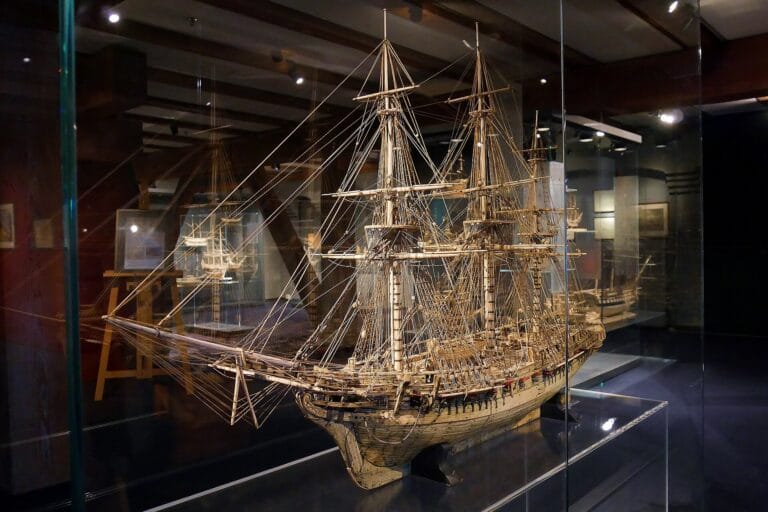
Another standout element is the museum’s detailed displays on maritime navigation, which include intricate models, nautical instruments, and interactive exhibits explaining the evolution of seafaring techniques. The evolution of shipbuilding technology—from wood and sail to steel and engines—is convincingly presented with technical explanations that do not overwhelm the lay visitor.
The museum also places considerable emphasis on Germany’s maritime trade networks and the global connections fostered by seafaring. Exhibits on port development, shipping companies, and maritime commerce underscore the critical economic role of the sea.
For families and younger visitors, there are engaging educational programs and interactive displays designed to make maritime history accessible and exciting. The museum’s extensive archives and library serve as important resources for scholars, though these facilities are somewhat less visible to casual visitors.
Visitor Experience
The German Maritime Museum delivers a well-rounded and engaging visitor experience characterized by clarity and depth. Exhibits are clearly labeled in both German and English, facilitating accessibility for international audiences. The layout is logical and allows a coherent progression through different facets of maritime history and technology. Exhibition spaces are spacious and blend multimedia presentations with traditional displays, helping to maintain visitor interest over several hours.
The museum staff are generally knowledgeable and approachable, providing additional context when queried. Directional signage within the museum is adequate, though certain larger vessels can prove challenging to explore fully depending on visitor flow. Audio guides or mobile app support, where available, enhance the narrative but may not always cover every detail.
On-site facilities include a café offering scenic views of the harbor, which contributes to a relaxing break point, and a museum shop selling maritime-themed gifts and literature that can be useful for further exploration. Photographic opportunities abound, particularly with the historic ships in the foreground of the waterfront setting.
Tickets, Access, and Planning
Ticket pricing is reasonable considering the breadth of the collection and the inclusion of outdoor ship exhibits. Discounts are available for seniors, students, and groups, while family passes ensure affordability for those visiting with children. It is advisable to check the official website for up-to-date information on opening hours, special access arrangements, and seasonal variations as Bremerhaven’s maritime environment can influence outdoor exhibitions.
Access for individuals with mobility impairments has been partly addressed through ramps and elevators, though some older ships and elevated decks have inherent challenges typical of maritime vessels. Visitors with accessibility needs might wish to contact the museum in advance to plan a suitable visit.
The museum’s location is easily reachable by public transport, including trains and buses from Bremerhaven city center and other regional hubs, making it convenient for day trips. Ample parking is available for those arriving by car. Nearby facilities such as hotels and restaurants create an ideal setting for a more extended stay focused on maritime exploration.
Final Verdict
The German Maritime Museum in Bremerhaven is a compelling destination that successfully captures the layered history and ongoing significance of maritime culture in Germany. Its combination of authentic historic vessels, comprehensive exhibitions, and prime waterfront location offers an immersive experience that educates and inspires. While the museum navigates the challenging balance between technical detail and accessibility with commendable skill, some exhibits may appeal more to enthusiasts with a penchant for maritime history. Families and casual visitors will nonetheless find enough interactive and visual material to engage meaningfully.
Attention to visitor comfort and clarity of information supports a satisfying visit, although minor accessibility limitations remain in the vessel tours. As a focal point for maritime scholarship and public education, the museum fulfills its mission admirably, providing a vivid insight into Germany’s maritime identity. For anyone interested in the intersection of history, technology, and the sea, the German Maritime Museum is a destination well worth inclusion on any cultural itinerary in northern Germany.