German Maritime Museum
Maritime Museums · Bremerhaven, Germany. The German Maritime Museum in Bremerhaven, Germany, stands as a prominent center dedicated to the rich nautical heritage of the nation and its connection to global maritime history. As a maritime museum, it offers…
Best forMaritime history, ships, harbour heritage
Setting / nearbyThe port city of Bremerhaven, a fitting site given the city’s longstanding historical ti
Overview
The German Maritime Museum in Bremerhaven, Germany, stands as a prominent center dedicated to the rich nautical heritage of the nation and its connection to global maritime history. As a maritime museum, it offers a comprehensive exploration of Germany’s relationship with the sea, encompassing naval traditions, shipbuilding innovations, and the evolution of seafaring commerce over centuries. The museum serves not only as a repository of historical artifacts but also as an educational facility that invites visitors to understand the impact of maritime endeavors on cultural and economic development.
Collection Highlights
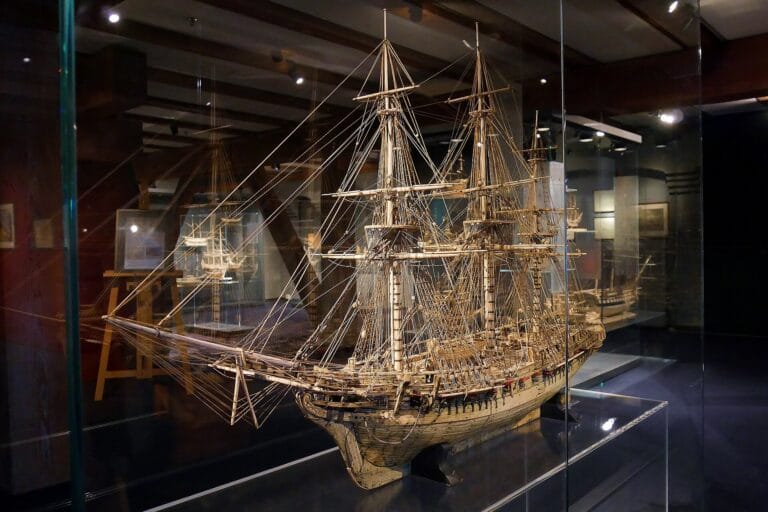
The museum’s collection is extensive and remarkably diverse, spanning from ancient seafaring to modern naval technology. Among the most captivating exhibits are detailed ship models that illustrate different eras and types of vessels, from early wooden ships to more contemporary steel freighters and naval craft. These models provide a visual narrative of design advances and technological achievements that have shaped marine navigation and transport.
One of the defining features of the museum is its historic vessels, some of which are preserved and accessible for visitors to board. These include a variety of ships such as fishing vessels, research ships, and warships, each reflecting a part of Germany’s maritime story. The presence of real ships anchored at the museum’s quayside enhances the experiential quality, demonstrating the scale and complexity of maritime engineering firsthand.
Exhibits also showcase maritime artifacts like navigational instruments, maritime art, shipbuilding tools, and sailor equipment. These objects collectively tell personal and technical stories about life at sea, the demands of maritime professions, and the broader context of global trade networks. Informative displays and multimedia presentations help to contextualize the artifacts within historical and contemporary maritime practices.
Building and Setting
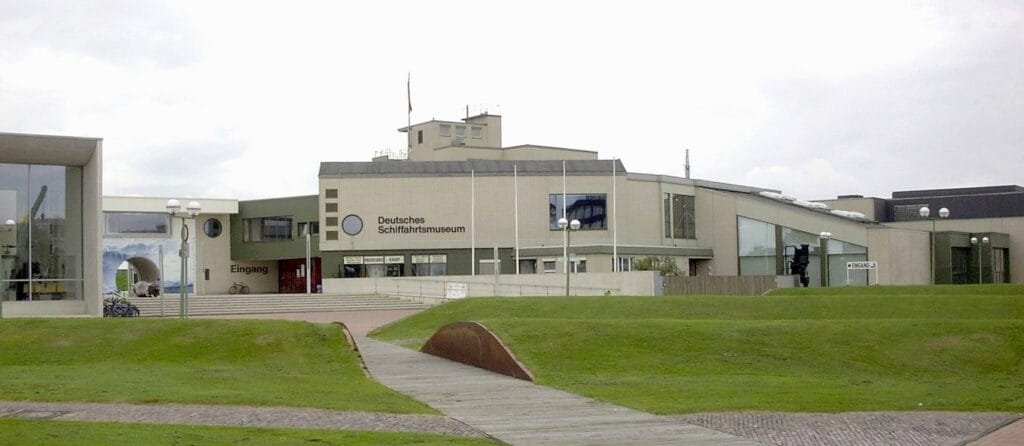
The German Maritime Museum is located in the port city of Bremerhaven, a fitting site given the city’s longstanding historical ties to shipping and navigation. The museum’s facilities integrate modern exhibition spaces with open-air docks and piers, allowing for an immersive experience that blends indoor galleries with real-world maritime environment.
The architecture thoughtfully supports the museum’s mission by facilitating the display of large-scale maritime objects and ships, while also providing well-lit and spacious interiors conducive to both detailed examination and public programs. The setting near the water’s edge adds an atmospheric dimension, where visitors can observe active port activity, linking past and present maritime life.
Practical Information
Visitors planning to explore the German Maritime Museum should seek the most up-to-date information regarding opening hours, ticket prices, and any special exhibitions or events by consulting the official website prior to arrival. This will ensure an optimal experience as schedules and fees may vary or be updated seasonally. The museum generally welcomes a wide range of audiences, including families, students, and maritime enthusiasts, with educational resources and guided tours often available to enrich the visit.
Access to the museum is supported by Bremerhaven’s transport infrastructure, including public transit options and parking facilities for those arriving by car. On-site amenities typically include a museum shop offering maritime-themed souvenirs and a café for refreshments. Accessibility for visitors with mobility challenges is considered and arranged, though potential visitors may wish to inquire specifically about facilities in advance.
Why Visit
The German Maritime Museum offers a compelling journey into maritime history that resonates on both a national and international level. It stands out for its combination of historical breadth, technical depth, and direct interaction with preserved vessels, creating an engaging narrative about humanity’s enduring relationship with the sea. Whether interested in the evolution of shipbuilding, life aboard the vessels, or the broader economic and cultural implications of maritime trade, the museum provides insights that captivate and educate.
Beyond its role as a repository for artifacts, the museum serves as a dynamic cultural space that hosts lectures, temporary exhibitions, and educational programs tailored to different age groups and interests. This commitment to ongoing learning and community engagement enhances its appeal as a destination offering more than just static displays, but rather an unfolding story of maritime heritage.
Visiting the German Maritime Museum also offers a unique way to experience Bremerhaven itself, a city with a rich maritime tradition and vibrant port life. The proximity to active shipping lanes and the sea emphasizes the living nature of the maritime world, connecting museum exhibits to the ongoing story of trade, travel, and exploration.
For those with a curiosity about the sea or a desire to connect with one of the defining aspects of German and global history, the German Maritime Museum in Bremerhaven is a rewarding destination. It presents maritime history not as a distant past but as a continually relevant and fascinating domain that shapes both identity and innovation.