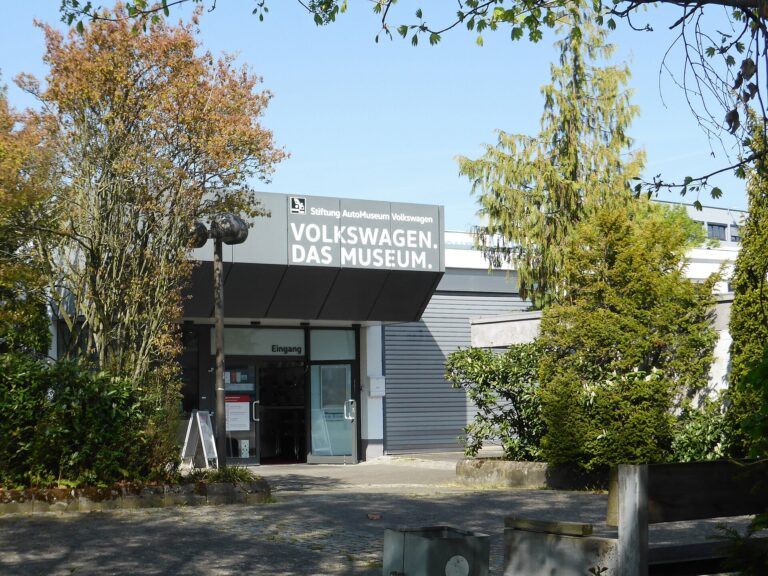
Porsche Museum
Automobile Museums · Stuttgart, Germany. The Porsche Museum in Stuttgart, Germany, offers a compelling journey through the history of one of the world’s most iconic automobile manufacturers. As a specialized automotive museum, it celebrates the engineering innovation, design exc…
Best forScience, technology, hands-on learning
Setting / nearbyThe heart of Stuttgart, a city known as the birthplace of the automobile, making it a fitt
Overview
The Porsche Museum in Stuttgart, Germany, offers a compelling journey through the history of one of the world’s most iconic automobile manufacturers. As a specialized automotive museum, it celebrates the engineering innovation, design excellence, and rich heritage of the Porsche brand. The museum is located in the heart of Stuttgart, a city known as the birthplace of the automobile, making it a fitting home for this collection. Visitors can explore the evolution of sports car technology and design, with exhibits that appeal both to dedicated car enthusiasts and those with a broader interest in industrial design and cultural history.
Collection Highlights
The museum’s collection presents a comprehensive overview of Porsche’s development from its earliest days to the present, showcasing a range of vehicles that reflect key moments in innovation and motorsport success. Among the standout exhibits are early prototypes and production models, such as the legendary Porsche 356, which illustrates the company’s origins and early design philosophy. The evolution continues with the iconic Porsche 911 series, known worldwide for its distinctive design and high-performance engineering.
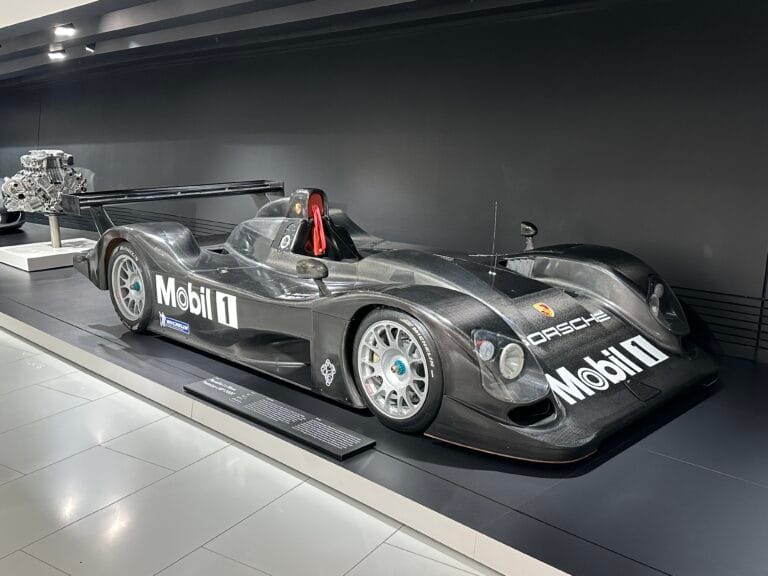
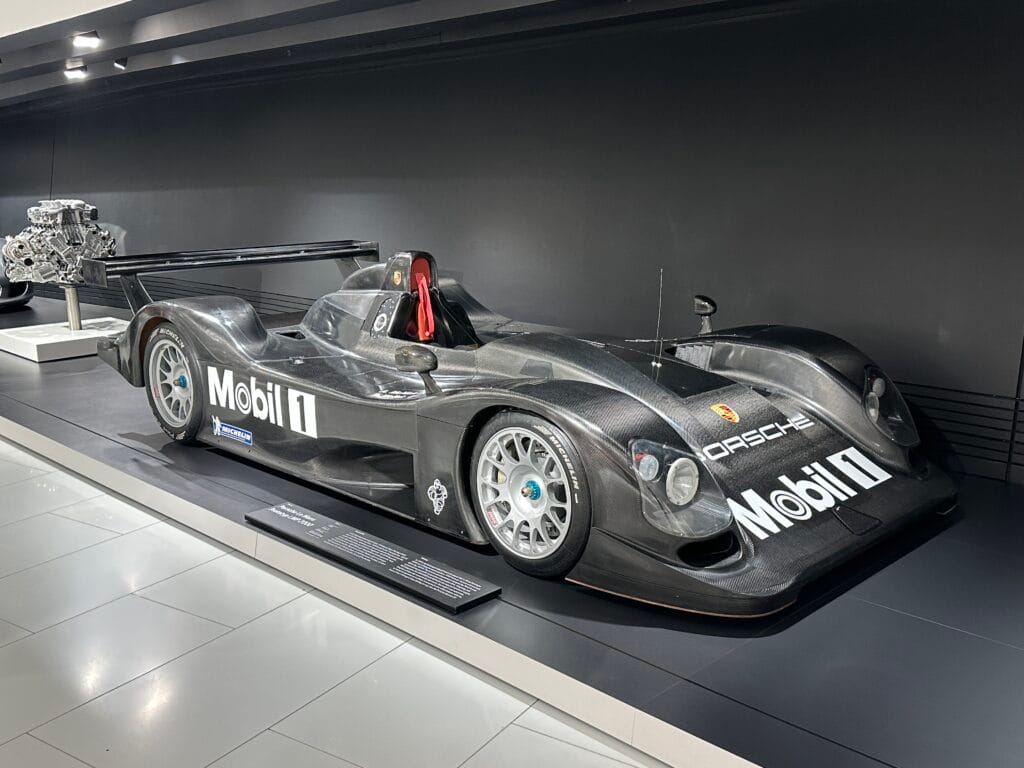
In addition to road cars, the museum also features racing cars that highlight Porsche’s achievements in motorsport. These include models that have competed in endurance races, such as the 24 Hours of Le Mans, demonstrating the brand’s commitment to pushing the limits of automotive performance. Some vehicles on display may also include limited editions and specially engineered concept cars, offering insight into future directions and technological exploration.
Photographs, design sketches, and multimedia installations supplement the physical collection, providing context and background on the development processes and cultural impact of Porsche’s vehicles. The museum often hosts temporary exhibitions and special displays, which focus on particular themes or anniversaries, adding a dynamic aspect to the visitor experience.
Building and Setting
The Porsche Museum is housed in a striking modern building situated near the company’s headquarters in Stuttgart-Zuffenhausen. The architecture itself is an attraction, designed to reflect the precision and innovation that define Porsche. The structure is characterized by a bold, angular design with large glass facades, allowing natural light to illuminate the exhibits inside while offering views of the surrounding industrial landscape.
Inside, the museum is spacious and thoughtfully arranged to create a clear narrative flow through the history of the brand. Vehicles are displayed on multiple levels, with some exhibited on rotating platforms to allow a full 360-degree view. The interior design combines practicality with elegance, focusing attention on the cars while offering a pleasant and comfortable environment for visitors.
The location near the Porsche factory adds to the experience, providing context and adding industrial authenticity. It also serves as a gateway for enthusiasts interested in the broader story of automobile manufacturing in the region, which is historically significant for the global automotive industry.
Practical Information
Before planning a visit, potential guests should check the Porsche Museum’s official website to confirm current opening hours, ticket prices, and visitor services, as these details may change. The museum is generally accessible to the public, with options for guided tours and educational programs available to enhance the experience. Tickets may be purchased on-site or online, and advance booking is recommended during peak seasons to secure entry.
The facility is designed to be accessible, with accommodations for visitors with mobility challenges. There is a café and gift shop on-site, offering refreshments and Porsche-themed merchandise, providing both convenience and a chance to take home a memento of the visit.
Photography is usually permitted, but it is advisable to respect any specific restrictions, particularly in areas where flash photography could be damaging to exhibits. Visitors should also be prepared for crowds at popular times and allow sufficient time—several hours may be needed to explore the museum fully.
Why Visit
The Porsche Museum provides a unique opportunity to connect with the heritage of a brand that has become synonymous with performance, precision engineering, and timeless design. It appeals to a broad audience, from car enthusiasts eager to see legendary and rare models up close, to those interested in industrial history, design, and innovation.
Beyond the impressive display of vehicles, the museum tells a story of creativity and evolution in the automotive world. It highlights the human ingenuity behind the machines and underscores the cultural significance of the automobile in modern history. Visitors leave with a deeper appreciation not only of Porsche’s contributions but also of the broader context of technological advancement and design excellence.
For travelers visiting Stuttgart, the Porsche Museum offers a captivating cultural and educational experience that complements other attractions in the region. It is a testament to the city’s status as a hub for automotive development and provides a meaningful insight into a brand that is admired worldwide for both its heritage and its forward-looking vision.