Taipei Fine Arts Museum Review
Art Museums · Taipei, Taiwan. The Taipei Fine Arts Museum, inaugurated in 1983, holds the distinction of being Taiwan’s first museum dedicated exclusively to modern and contemporary art. Its establishment marked an important cultural milestone in Taipei’s urban and…
Art Museums · Taipei, Taiwan. The Taipei Fine Arts Museum, inaugurated in 1983, holds the distinction of being Taiwan’s first museum dedicated exclusively to modern and contemporary art. Its establishment marked an important cultural milestone in Taipei’s urban and…
Best forMasterpieces, architecture, cultural history
Review focusCollection highlights, building, visitor flow
Historical Context
The Taipei Fine Arts Museum, inaugurated in 1983, holds the distinction of being Taiwan’s first museum dedicated exclusively to modern and contemporary art. Its establishment marked an important cultural milestone in Taipei’s urban and artistic development, reflecting Taiwan’s growing interest in fostering local and international dialogues about art in the late 20th century. Situated in the vibrant district of Zhongshan, the museum emerged as a pivotal institution supporting the evolution of Taiwanese art from traditional forms toward more experimental and conceptual expressions. Over the decades, the Taipei Fine Arts Museum has grown alongside Taiwan’s dynamic cultural scene, positioning itself as a central platform for both Taiwanese artists and prominent international figures. The institution’s mission centers on promoting artistic innovation and providing the public with access to a diverse array of modern art practices, contributing significantly to the cultural dialogue within East Asia and beyond.
What You See on Arrival
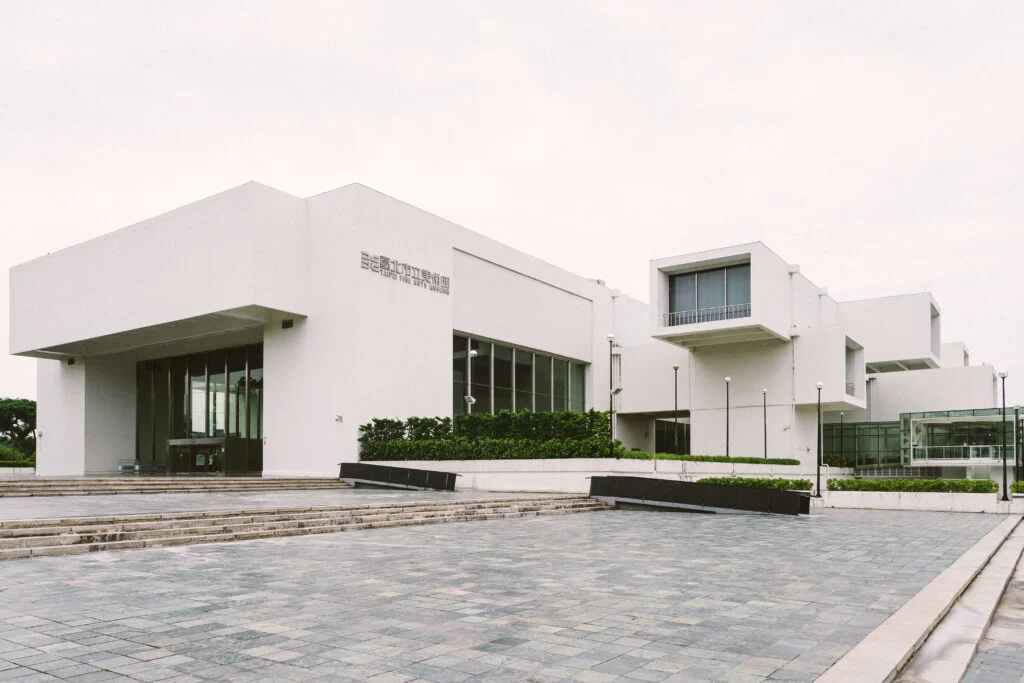
Visitors approaching the Taipei Fine Arts Museum are greeted by a striking example of modernist architecture. The building’s sculptural form, characterized by clean lines and geometric shapes, offers a visual statement that synchronizes with the museum’s artistic ethos. The entrance faces a spacious public plaza, which often acts as a prelude to the creative energy inside. Around the museum, landscaped gardens and open spaces create a peaceful atmosphere that contrasts with the bustling city environment. The museum’s façade combines concrete and glass elements, balancing solidity with transparency, suggesting openness to the public and to new ideas in art. The immediate surroundings are well-maintained, with clear signage directing visitors to the entrance. This first impression sets an anticipatory tone, emphasizing both the museum’s role as a cultural beacon and its commitment to contemporary aesthetics.
Highlights and Key Exhibitions
The Taipei Fine Arts Museum houses an extensive collection that focuses on modern and contemporary Taiwanese art, enriched by international works that broaden the museum’s scope and relevance. Among the permanent collection, particular attention is often drawn to pieces representing Taiwan’s postwar artistic developments, featuring movements such as the Taiwan Art Movement, which played a crucial role in the rise of nativist themes and experimental forms. Paintings, sculptures, installations, and multimedia works illustrate the diverse expressions of Taiwanese identity and modernization.
Additionally, the museum’s temporary exhibitions – though varied and continuously refreshed – complement the permanent collection by introducing cutting-edge international artists and thematic explorations ranging from technology’s impact on art to socio-political critiques. The museum has established a reputation for hosting biennial events that further showcase contemporary trends and encourage critical engagement.
Visitor Experience
The Taipei Fine Arts Museum crafts a visitor experience that balances educational depth with accessibility. The layout of exhibition spaces encourages a natural flow, guiding guests through a curated journey of artistic evolution and innovation. Exhibit information is provided through well-designed labels, multilingual guides, and occasionally interactive digital aids, appealing to both art connoisseurs and casual visitors alike.
The museum staff are generally regarded as knowledgeable and approachable, contributing positively to the atmosphere. Additional offerings such as guided tours, workshops, and lectures enhance the interpretive depth and provide opportunities for deeper engagement with the art on display. The museum café and bookshop, located near the entrance, offer relaxing environs to reflect on the visit or browse artistically inspired literature and catalogues.
Tickets, Access, and Planning
Planning a visit to the Taipei Fine Arts Museum is facilitated by clear information available both online and onsite. Admission fees are reasonable and often include concessions for students, seniors, and groups, reflecting the institution’s commitment to cultural accessibility. Entry may be free on special days or for particular exhibitions, further encouraging public participation.
The museum is conveniently accessible by public transportation, positioned near Taipei’s efficient metro and bus networks. This accessibility makes it straightforward for both locals and tourists to incorporate a visit into their schedules. The building provides amenities such as wheelchair access, elevators, and rest areas, adhering to inclusive design principles. Visitors are advised to check the official website for current opening hours, ticket policies, and any visitor requirements prior to arrival to ensure a smooth experience.
Final Verdict
The Taipei Fine Arts Museum stands as a dynamic and essential institution within Taiwan’s cultural landscape and the broader Asian art world. It successfully bridges a rich historical narrative with an active engagement in contemporary art discourse, offering a platform that honors Taiwan’s unique artistic heritage while embracing global innovation. Its thoughtful architecture, well-curated collections, and diverse programming make it a compelling destination for those interested in exploring modern and contemporary art from multiple perspectives.
While the museum excels in many areas, opportunities remain in expanding multilingual resources for the increasingly international audience and enhancing interactive elements in the exhibits to cater further to younger visitors. Nevertheless, the balanced presentation of local and international art, combined with a welcoming atmosphere and accessible facilities, positions the Taipei Fine Arts Museum as a must-visit cultural venue for art enthusiasts and casual visitors exploring Taipei. As a cornerstone of the city’s artistic fabric, it continues to evolve and inspire, reflecting the vibrant creativity that defines contemporary Taipei.