Pera Museum Review
Art Museums · Istanbul, Turkey. Situated at the crossroads of East and West, the Pera Museum in Istanbul offers a unique cultural vantage point that reflects the city’s rich historical tapestry. Founded in 2005, the museum occupies a historic…
Art Museums · Istanbul, Turkey. Situated at the crossroads of East and West, the Pera Museum in Istanbul offers a unique cultural vantage point that reflects the city’s rich historical tapestry. Founded in 2005, the museum occupies a historic…
Best forMasterpieces, architecture, cultural history
Review focusCollection highlights, building, visitor flow
Historical Context
Situated at the crossroads of East and West, the Pera Museum in Istanbul offers a unique cultural vantage point that reflects the city’s rich historical tapestry. Founded in 2005, the museum occupies a historic building constructed in 1893, originally serving as the headquarters for a prestigious Ottoman brokerage firm. This heritage melds seamlessly with the museum's mission, which centers on showcasing both Orientalist art and a broader narrative of artistic and cultural exchanges between the Ottoman Empire and Europe. Istanbul’s role as a melting pot of civilizations, religions, and artistic traditions is critical to understanding the museum’s collections and curatorial choices. Positioned in the vibrant Beyoğlu district, the Pera Museum benefits from an area steeped in history, once a hub for European residents and traders, which continues to thrive as a cultural and social epicenter. The museum’s establishment coincided with a renaissance in Turkish museums emphasizing modernity and cross-cultural dialogue, distinguishing itself with a blend of classical and contemporary visual storytelling.
What You See on Arrival
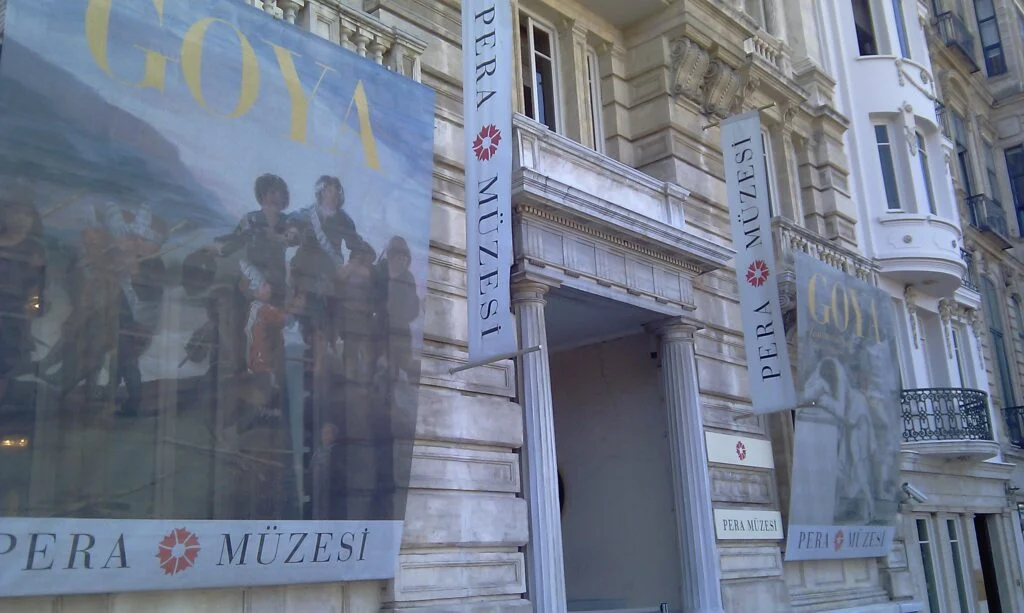
Upon approaching the Pera Museum, visitors are greeted by an imposing neoclassical façade that contrasts with the bustling Beyoğlu streetscape, signaling an escape into an aesthetic and intellectual sanctuary. The building’s exterior, characterized by handsome stonework and ornate details, communicates a sense of gravitas befitting its historical roots and artistic ambitions. Inside, the spatial design is thoughtfully arranged, balancing open galleries with more intimate rooms, each encouraging visitors to move thoughtfully through exhibitions at varying paces. The lobby and entrance areas are minimalistic and modern, creating a clean canvas that shifts focus seamlessly toward the artworks themselves. Orientation signage and museum maps are prominent and clear, aiding initial navigation. A small museum shop and café near the entrance offer a restful space to gather before or after touring the galleries. Overall, the first impression is one of elegance and sophistication, setting the tone for a deeply curated experience centered on art and cultural history.
Highlights and Key Exhibitions
The Pera Museum is renowned for its permanent collection of Orientalist paintings, which remains a cornerstone of its identity and a highlight for many visitors. The collection features artists whose works reveal the 19th-century European fascination with the Ottoman world, yet it also prompts critical reflection on colonialist perspectives. Paintings by Osman Hamdi Bey stand out, particularly his iconic work “The Tortoise Trainer,” which subverts traditional Orientalist motifs and offers a profound insight into Ottoman intellectual life. Alongside these, the museum houses antique Anatolian weights and measures, providing a tangible connection to the everyday trade practices that once dominated the region. The Orientalist collection intersects with a growing number of contemporary art exhibitions, reflecting evolving interpretations of cultural identity and history. These temporary shows often challenge or complement the permanent galleries, engaging with themes such as memory, migration, and cultural hybridity. Photography exhibitions are also a recurring feature, emphasizing Istanbul’s visual history and global connections. The museum’s commitment to varied mediums and historical periods enriches its narrative scope while maintaining a cohesive thematic coherence.
Visitor Experience
The visitor experience at the Pera Museum is generally marked by a thoughtful blend of accessibility and intellectual engagement. Exhibition texts are bilingual, predominantly in Turkish and English, making the museum’s stories accessible to both local audiences and international tourists. These texts provide scholarly yet approachable explanations that enhance understanding without overwhelming casual viewers. Audio guides and digital resources are available, although their presence is somewhat limited compared to larger institutions. The flow of galleries encourages a chronological or thematic progression, though the layout is intuitive enough to accommodate varied visitor preferences in navigating the space. Seating areas are strategically placed to allow rest and reflection, particularly in key galleries with complex artworks. The staff is noted for their professionalism and readiness to assist with inquiries, contributing to a warm yet formal atmosphere. However, some visitors may find the museum’s relatively compact size means that it can become crowded during peak times, potentially detracting from contemplative viewing in popular exhibition rooms. Overall, the museum strikes a commendable balance between education and enjoyment.
Tickets, Access, and Planning
Ticket prices at the Pera Museum are reasonably set in the context of Istanbul’s cultural scene, with discounts offered for students, seniors, and groups, making it an accessible option for a broad audience. Admission fees include access to permanent collections and temporary exhibitions, providing good value for those interested in exploring several facets of the museum. Opening hours are generally convenient, though it is advisable to check the official website for any variations tied to special events or public holidays. The museum’s location adjacent to İstiklal Avenue, one of Istanbul’s most famous pedestrian streets, ensures it is well-served by public transportation, including metro and tram lines, as well as numerous bus routes. Accessibility for visitors with disabilities is addressed with ramps, elevators, and accessible restrooms, although the historic nature of the building does impose some limitations that should be noted in advance. For those planning an extended stay in Istanbul, the Pera Museum offers a cultural counterpoint to the city’s historic monuments, providing an indoor, contemplative cultural experience ideally suited to urban exploration.
Final Verdict
The Pera Museum emerges as a compelling institution within Istanbul’s vibrant museum landscape, offering a distinctive blend of historical insight and contemporary artistic dialogue. Its strength lies in the thoughtful curation of Orientalist art coupled with its engagement with modern themes and media, making it a vital space for reconsidering Istanbul’s place in global art history. The museum’s elegant setting, combined with its refined visitor experience, makes it well-suited not only for art connoisseurs and historians but also for curious travelers seeking depth beyond the usual tourist circuit. While the museum’s scale may feel intimate compared to larger national museums, this intimacy encourages focused and meaningful engagement with its collections. Attention to accessibility, bilingual interpretation, and the integration of both permanent and temporary exhibitions all enhance its appeal. The Pera Museum, therefore, stands as an important cultural venue that articulates Istanbul’s complex identity across time and artistic disciplines, reaffirming the city’s ongoing dialogue between tradition and modernity. For those seeking a nuanced understanding of the Ottoman legacy and its artistic consequences, this museum is highly recommended.