Robben Island Museum Review
UNESCO Museums · Cape Town, South Africa. The Robben Island Museum is located off the coast of Cape Town, South Africa, and stands as a potent symbol of the country's turbulent past and its journey toward democracy. This island, spanning approximately…
UNESCO Museums · Cape Town, South Africa. The Robben Island Museum is located off the coast of Cape Town, South Africa, and stands as a potent symbol of the country's turbulent past and its journey toward democracy. This island, spanning approximately…
Best forMemory, history, reflective visits
Review focusHistorical context, interpretation, atmosphere
Historical Context
The Robben Island Museum is located off the coast of Cape Town, South Africa, and stands as a potent symbol of the country's turbulent past and its journey toward democracy. This island, spanning approximately 5.1 square kilometers, is most famously known as the site where numerous political prisoners, including Nelson Mandela, were incarcerated during the apartheid era. Its history extends far beyond the 20th century: initially used as a place of banishment in the 17th century, Robben Island has functioned variably as a leper colony, a military base, and a prison. Officially designated as a museum and heritage site in 1997, Robben Island represents not only the struggles endured by those oppressed under apartheid but also their resilience and triumph. The museum provides essential insight into South Africa’s complex social and political history, presenting visitors with an opportunity to reflect on themes of human rights, freedom, and reconciliation.
What You See on Arrival
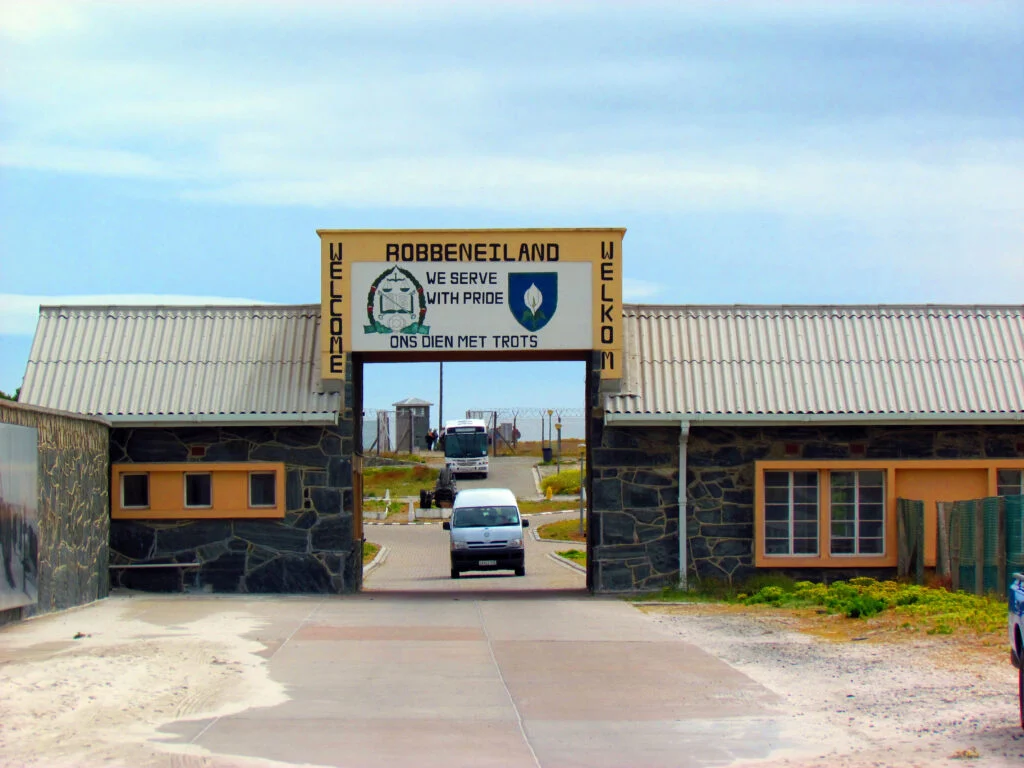
Visitors embarking on a trip to Robben Island typically begin with a ferry ride departing from the V&A Waterfront in Cape Town. The passage over Table Bay offers striking views of Cape Town’s skyline and Table Mountain, setting an evocative tone for the visit. Upon arrival on the island, the atmosphere is both solemn and serene. The museum precinct is modest in scale, with a curated set of exhibition spaces designed to provide historical context and orientation before the tour. The island itself is largely barren, with rugged landscapes and remnants of various structures that hint at its layered past. Among the first sights are the old prison buildings, which stand quietly but powerfully as a reminder of the harsh conditions political prisoners endured. The combination of the natural environment and the stark architecture creates a compelling backdrop for the narratives that unfold during the visit.
Highlights and Key Exhibitions
The core of the Robben Island Museum experience is the guided tour of the prison complex, which is conducted by former political prisoners. This personal connection adds profound depth and authenticity to the storytelling. Visitors walk through cells where many restrictions were in place and hear first-hand accounts detailing life under incarceration. The small prison cell where Nelson Mandela was held for 18 of his 27 years in detention is a focal point of the tour and is preserved in its original state, highlighting the stark conditions endured.
Beyond the prison, exhibitions cover the broader history of the island, including its use as a leper colony and a military outpost. Photographs, artifacts, and multimedia displays further contextualize these periods and the island’s diverse roles. The museum extends the narrative to include post-apartheid developments and the ongoing significance of Robben Island as a symbol of hope and reconciliation. While there is a focus on the political struggle, the displays are carefully curated to provide a holistic overview of the island’s multifaceted history.
Visitor Experience
The guided tours are a strength of the museum, facilitated by knowledgeable and often deeply personal narration that engages visitors intellectually and emotionally. The tour usually lasts around three to four hours, including the ferry ride, which necessitates some stamina and preparation. The walking component can be physically demanding due to outdoor exposure and the uneven terrain, and the museum advises visitors to dress accordingly for the weather conditions.
Interpretative materials are thoughtfully presented, allowing visitors to gain a comprehensive understanding even without prior knowledge of South Africa’s history. The use of storytelling, supplemented by historical documents and visuals, creates an immersive experience. However, the emotional weight of the subject matter may be intense for some visitors, as the museum does not shy away from the brutal realities of apartheid-era imprisonment and human rights violations.
Tickets, Access, and Planning
Tickets for the Robben Island Museum tours can be purchased online in advance or at the ticket office located at the V&A Waterfront departure point. Due to the popularity of the tours and limited daily departures, pre-booking is strongly recommended, especially during peak tourist seasons. The ferry departure schedule is subject to weather conditions, and trips may be delayed or canceled when seas are rough. It is advisable to arrive early to avoid losing a spot on a full or canceled sailing.
Regarding accessibility, the tour requires a moderate level of physical fitness, with walking on uneven paths and some inclines. Elderly visitors or those with mobility challenges should consider this when planning. While some accommodations are available for those with disabilities, the outdoor nature of much of the visit and the historic infrastructure limit full accessibility. Facilities on the island itself are basic, but the ferry and visitor center at the waterfront are well-equipped with amenities including restrooms, cafes, and souvenir shops.
Final Verdict
The Robben Island Museum delivers a deeply moving and educational encounter that is integral to understanding South Africa’s journey from apartheid to democracy. Its strength lies in the combination of historical fact and personal testimony, providing a multi-layered narrative that is both informative and emotionally resonant. The museum’s modest physical footprint is compensated by the richness of its content and the evocative setting of the island itself. While the visit demands some physical effort and emotional readiness, it rewards visitors with a profound understanding of resilience, justice, and human rights struggles.
For anyone interested in contemporary history, political activism, or the enduring human spirit, the Robben Island Museum represents an essential experience. It challenges visitors to reflect on the past and consider the ongoing implications of freedom and equality. Though not an expansive institution in terms of exhibition space, its impact is considerable—making it one of South Africa’s most significant cultural sites and a compelling destination for international visitors.