Petit Palais Review
Art Museums · Paris, France. The Petit Palais, situated in the heart of Paris, stands as a remarkable emblem of the city’s commitment to art and culture. Constructed for the 1900 Exposition Universelle, this institution was designed to serve…

Art Museums · Paris, France. The Petit Palais, situated in the heart of Paris, stands as a remarkable emblem of the city’s commitment to art and culture. Constructed for the 1900 Exposition Universelle, this institution was designed to serve…
Best forMasterpieces, architecture, cultural history
Review focusCollection highlights, building, visitor flow
Historical Context
The Petit Palais, situated in the heart of Paris, stands as a remarkable emblem of the city’s commitment to art and culture. Constructed for the 1900 Exposition Universelle, this institution was designed to serve as a grand showcase of fine arts within a neoclassical and Beaux-Arts architectural framework. The building itself reflects the fin de siècle optimism and elegance characteristic of Paris at the turn of the 20th century. After its inauguration, the Petit Palais was transformed into a museum dedicated to fine arts, offering a rich collection spanning antiquity through the early 20th century. Its reputation for melding a striking architectural presence with a diverse and well-curated collection has ensured its place as a cultural landmark in the bustling capital of France. This museum offers a meaningful context not only for appreciating artworks but also for understanding the interplay between art, history, and urban Parisian identity.
What You See on Arrival
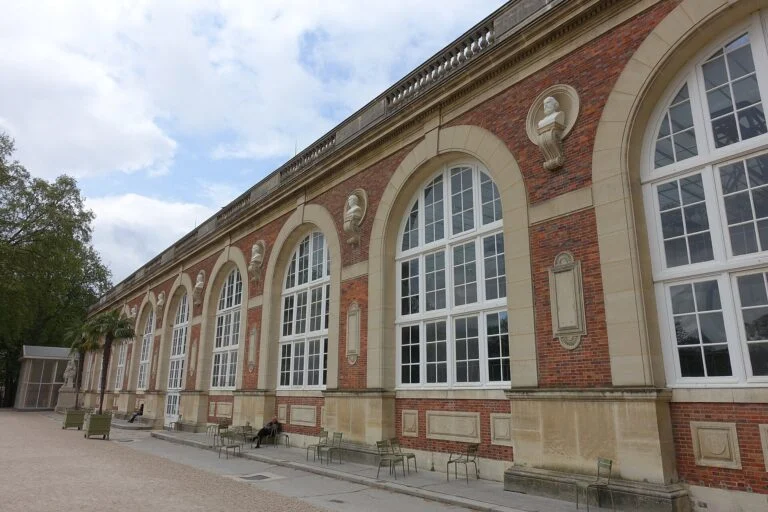
Approaching the Petit Palais, visitors are immediately struck by the building’s stately facade, a harmonious blend of classical lines and intricate decorative flourishes. The imposing entrance, framed by Corinthian columns, opens onto a grand courtyard, lush with greenery and fountains that provide a tranquil yet dignified introduction to the museum. The surrounding urban scenery of Avenue Winston Churchill further emphasizes the museum’s central location, easily accessible amid the Parisian bustle. The exterior architecture sets an anticipatory tone, inviting guests into a space where art meets architectural splendor. Upon entering, the light floods through large windows and a stunning glass dome, creating an airy and inviting atmosphere. The lobby’s vaulted ceilings and ornate details carry the visitor from the exterior grandeur into the artistic richness inside.
Highlights and Key Exhibitions
The Petit Palais boasts a varied permanent collection that ranges widely in style and period, specializing in European art from the classical era through the early 20th century. Renaissance and Baroque paintings are well represented alongside notable pieces from the Dutch Golden Age, offering a comprehensive survey of major European artistic movements. Of particular interest are the works by French masters such as Jean-Baptiste-Camille Corot and Gustave Courbet, whose realist and landscape paintings anchor the museum’s 19th-century holdings. The collection is further distinguished by fine examples of decorative arts, including jewelry, furniture, and ceramics, highlighting the close relationship between applied arts and the visual arts in France’s artistic heritage.
One of the definitive strengths of the Petit Palais lies in its array of sculptures, prominently displayed within the museum’s garden and interior spaces. The sculpture collection includes works by notable figures such as Auguste Rodin, whose presence solidifies the museum’s status as a key repository of French artistic achievement. Together with paintings and decorative arts, the sculptures contribute to a multidimensional understanding of artistic production during influential periods.
Additionally, the museum’s design itself, with its ornate salons and light-filled galleries, serves as an integral facet of the visitor’s experience, reinforcing the artistic dialogue through carefully considered architectural aesthetics. The Petit Palais is as much an exhibition of architectural achievement and urban cultural history as it is a venue for art display.
Visitor Experience
Visitors to the Petit Palais can expect a well-organized and comfortable experience. The layout is intuitive, with clear signage and a logical flow from gallery to gallery, allowing guests to navigate the collection at their own pace. The museum offers seating areas scattered between galleries, encouraging moments of reflection and rest. The natural lighting provided by skylights and large windows enhances the viewing experience by rendering colors and textures with subtle nuance.
The ambiance, shaped by the historic architecture and the serene courtyard garden, invites a leisurely exploration rather than a rushed viewing. Educational resources such as detailed wall texts and multilingual guides enrich the experience without overwhelming the visitor. The museum’s commitment to accessibility includes providing information for diverse audiences, although the extensive scope of the collection demands several hours for a thorough immersion.
Tickets, Access, and Planning
Access to the Petit Palais is straightforward due to its central location near the Seine river and close proximity to several public transportation options, including the Paris Métro and numerous bus lines. This ease of access makes it a convenient stop for travelers seeking to combine museum visits with other Parisian sightseeing.
Ticketing policies support visitor convenience, with admission generally free for the permanent collections, thereby promoting cultural accessibility. Special exhibitions and programs may require a fee, but these are secondary to the core offerings. Opening hours are standard for Parisian museums, typically from late morning through early evening, but potential visitors should check the official website for current hours and any holiday closures.
Planning a visit is aided by the availability of a café and a well-stocked museum shop that offers high-quality reproductions and publications, allowing guests to extend their engagement with the museum beyond the galleries.
Final Verdict
The Petit Palais remains an essential destination for visitors to Paris interested in fine arts within an architecturally inspiring setting. Its strengths lie in the impressive breadth of its permanent collection, the harmonious integration of decorative and fine arts, and the memorable experience fostered by the building’s Beaux-Arts design. While the museum is perhaps less internationally renowned than certain landmarks, its collection offers unique insights into French and European art history, rewarding both the casual visitor and the seasoned art enthusiast.
The ambiance, combining grandeur with intimacy, supports a rich cultural experience that reflects Paris’s stature as a global artistic capital. The museum’s free admission to permanent exhibits contributes significantly to its accessibility, posing modest barriers to entry despite its central location. Although its historical focus may not appeal to trend-driven contemporary art audiences, the Petit Palais’s classical and decorative art collections provide a valuable counterpoint to modern institutions, preserving and celebrating traditions that continue to influence the art world.
Overall, the Petit Palais is a must-visit institution for those seeking a comprehensive, enriching exploration of fine arts amidst one of Paris’s most beautiful architectural settings.