Musée Picasso Paris Review
Art Museums · Paris, France. The Musée Picasso Paris, situated in the Marais district, is a premier institution dedicated to the life and work of Pablo Picasso, one of the 20th century’s most influential artists. Established in 1985, the…
Art Museums · Paris, France. The Musée Picasso Paris, situated in the Marais district, is a premier institution dedicated to the life and work of Pablo Picasso, one of the 20th century’s most influential artists. Established in 1985, the…
Best forMasterpieces, architecture, cultural history
Review focusCollection highlights, building, visitor flow
Historical Context
The Musée Picasso Paris, situated in the Marais district, is a premier institution dedicated to the life and work of Pablo Picasso, one of the 20th century’s most influential artists. Established in 1985, the museum is housed in the Hôtel Salé, a 17th-century mansion that itself carries significant historical and architectural value. This strategic location enriches the museum’s character, providing a dialogue between Picasso’s groundbreaking modern art and the classical French heritage embodied in the building. The collection comprises over 5,000 works, including paintings, sculptures, drawings, ceramics, and archival materials, offering a comprehensive overview of Picasso’s prolific and varied career. The museum’s creation was facilitated by Picasso’s heirs, who generously contributed major pieces from the artist’s estate, alongside acquisitions by the French state. In this way, as a repository and research institution, the Musée Picasso Paris not only showcases Picasso’s artistic genius but also serves as a center for scholarly study, fostering a deeper understanding of his enduring legacy within the broader context of modern art history.
What You See on Arrival
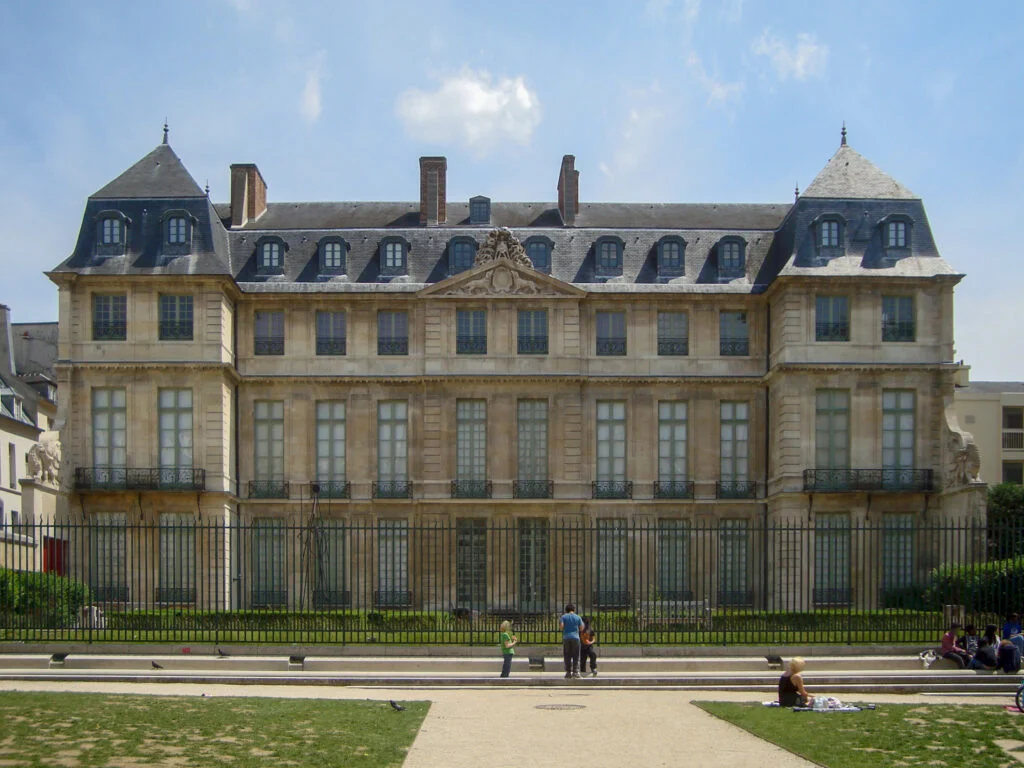
Approaching the Musée Picasso Paris, visitors are greeted by the impressive façade of the Hôtel Salé, a distinctive and well-preserved example of classical French architecture. The building itself stands as a cultural artifact, with its ornate windows and intricate stonework signaling the historical significance contained within. The entrance area is sensibly designed to welcome guests with a combination of practicality and subtle grandeur. Visitors will typically find the ticket office and information desk immediately accessible, along with clearly marked pathways directing them to the various galleries and amenities. Natural light filters through high ceilings, enhancing the initial impression of spaciousness. Surrounding the museum is a modest courtyard, providing a quiet outdoor interlude that complements the indoor experience. On arrival, signage is clear but understated, maintaining the antique ambiance without overwhelming the visual aesthetic. The calm and inviting atmosphere sets the tone for an in-depth exploration of Picasso’s oeuvre.
Highlights and Key Exhibitions
The Musée Picasso Paris excels in offering a richly varied collection that demonstrates the artist’s versatility and evolution. Among the highlights are seminal works from Picasso’s Blue and Rose periods, which reveal the emotional depth and experimentation marking the beginnings of his artistic journey. The museum houses several iconic Cubist paintings, where fragmented forms and multiple perspectives challenge traditional representation. A selection of sculptures and ceramics illustrates Picasso’s ability to transcend mediums and innovate beyond painting. The collection also includes intimate drawings and prints that provide insight into the artist’s creative process. Archival exhibits—such as personal documents, photographs, and preparatory sketches—augment the tangible art pieces, allowing visitors an understanding of Picasso as a complex individual, not just a legendary figure. Permanent galleries are organized thematically and chronologically, guiding visitors through key phases of his career. The museum is known for careful curatorial choices that balance well-known masterpieces with lesser-known, equally fascinating works, ensuring a comprehensive narrative of Picasso’s impact on modern art.
Visitor Experience
The visitor experience at the Musée Picasso Paris is thoughtfully structured to accommodate various levels of familiarity with the artist’s work. The layout of galleries favors a logical progression, yet permits flexibility for guests who prefer to focus on particular periods or media. Exhibition labels and accompanying texts are generally well-crafted, providing valuable context without overwhelming the visual experience with excessive detail. Audio guides and digital resources are available, enhancing understanding for those who desire a more immersive or self-directed visit. Staff members are noted for their professionalism and helpfulness, offering guidance and answering questions in a courteous manner. The museum’s ambiance is conducive to reflection and appreciation, with quiet spaces interspersed throughout the galleries. However, the intimate scale of many rooms sometimes leads to a congested feel during peak hours, potentially detracting from the viewing experience. The museum shop offers a curated selection of publications, art reproductions, and unique souvenirs that can enrich the visit. For those wishing to relax, a small café provides light refreshments, although the space may feel limited during busy periods.
Tickets, Access, and Planning
Planning a visit to the Musée Picasso Paris benefits from paying careful attention to opening times and ticketing options. The museum operates on a schedule that typically closes one day a week, often Monday, which is important for potential visitors to verify in advance. Tickets can be purchased on-site or booked online through the museum’s official channels, with the latter advisable to avoid wait times, especially in the high tourist season. Pricing is tiered, with concessions available for students, seniors, and certain groups, making the museum accessible to a broad audience. Free entry is often offered on specific days or for certain categories of visitors, ensuring inclusivity. Access for individuals with reduced mobility is generally good, with lifts and ramps facilitating movement between floors, though the historic nature of the building imposes some limitations that are thoughtfully managed by staff. The museum is well-connected by public transport, with several nearby metro stations and bus routes, as well as ample facilities for bicycle parking. Visitors are encouraged to allocate sufficient time—at least two to three hours—to fully explore the depth and range of the collection.
Final Verdict
The Musée Picasso Paris stands as an essential destination for anyone interested in modern art and the enduring legacy of Pablo Picasso. Combining a remarkable collection with a stunning historic setting, it offers a rich and well-rounded experience that moves beyond mere spectacle to foster genuine understanding. The museum’s approach balances scholarly rigor with accessibility, making it valuable both to seasoned art enthusiasts and newcomers alike. While the relatively intimate scale of some gallery spaces can feel crowded during busy periods, this is offset by the museum’s thoughtful curation and helpful visitor services. Practical considerations such as accessibility and ticketing are addressed with commendable efficiency, contributing to a smooth and enjoyable visit. Overall, the Musée Picasso Paris successfully encapsulates the artist’s dynamic creativity and profound influence on the art world, making it a cultural highlight of Paris and a must-visit for those seeking to engage deeply with one of the most transformative figures of the 20th century.