Sano Art Museum Review
Art Museums · Mishima, Japan. The Sano Art Museum, located in the city of Mishima in Japan, offers a captivating window into the confluence of traditional Japanese art and historical preservation. Established in the late 20th century, the museum…
Art Museums · Mishima, Japan. The Sano Art Museum, located in the city of Mishima in Japan, offers a captivating window into the confluence of traditional Japanese art and historical preservation. Established in the late 20th century, the museum…
Best forMasterpieces, architecture, cultural history
Review focusCollection highlights, building, visitor flow
Historical Context
The Sano Art Museum, located in the city of Mishima in Japan, offers a captivating window into the confluence of traditional Japanese art and historical preservation. Established in the late 20th century, the museum holds a significant collection that spans classical Japanese painting, ceramics, textiles, and samurai-related artifacts, reflecting the rich cultural heritage of the region. Mishima itself is a city deeply rooted in history, situated at a crossroads between urban modernity and rural tradition. This backdrop makes the Sano Art Museum a critical institution for those interested in the continuity of Japan’s artistic expressions and historical narratives. The museum’s formation was driven by passionate collectors whose vision was to safeguard and promote Japanese aesthetics, allowing visitors not only to appreciate individual works of art but also to engage with the broader story of Japan’s artistic evolution and cultural identity.
What You See on Arrival
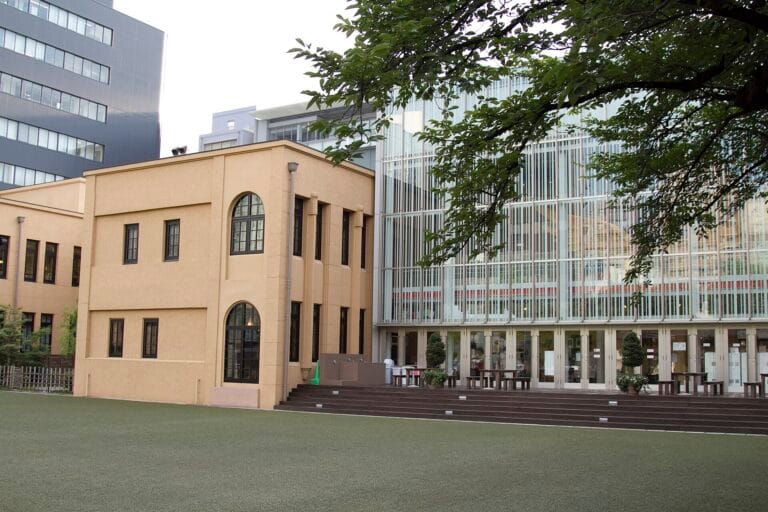
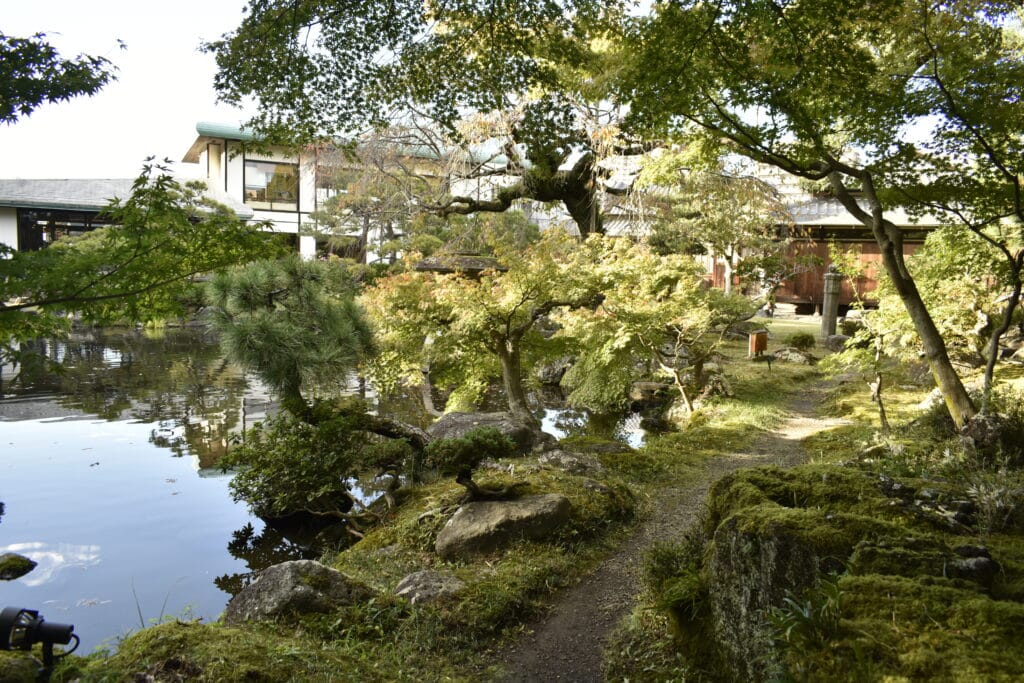
Approaching the Sano Art Museum, visitors are greeted by an understated yet elegant facade that subtly hints at the traditional architectural influences integral to the museum’s collection. The entrance is characterized by clean lines and natural materials, harmonizing with the surrounding green spaces that evoke a sense of tranquility. This immediate environment primes visitors for a contemplative experience. Upon entering the museum grounds, one notices a courtyard that serves as a gentle introduction to the artistry inside, often featuring seasonal plantings and traditional garden elements that align with the Japanese appreciation for nature. The museum’s layout is intuitively designed to guide visitors through its exhibitions gradually, marrying indoor and outdoor spaces in a way that underscores the integration of art and nature—a theme frequently observed in Japanese artistic traditions.
Highlights and Key Exhibitions
The Sano Art Museum’s collection is notable for its breadth and quality, offering a comprehensive look at several key facets of Japanese art history. Among the highlights are exquisite examples of Edo-period paintings, which showcase the skillful use of ink and color to depict nature, mythology, and daily life with refined elegance. The museum also presents an impressive selection of ceramics, ranging from delicate porcelain pieces to rustic earthenware that reveal the technical and artistic diversity of Japan’s regional kiln traditions. Textile arts play a significant role in the displays, with the museum holding a particularly fine collection of kimono and other garments that illustrate evolving tastes, craftsmanship, and symbolic meanings embedded in fabric. Additionally, the samurai artifacts, including armor, swords, and related accoutrements, offer compelling insights into the martial culture of pre-modern Japan and its influence on aesthetic priorities. These objects are carefully contextualized to deepen understanding without overwhelming visitors, balancing scholarly detail with accessible interpretation.
Visitor Experience
The visitor experience at the Sano Art Museum is marked by a thoughtful combination of calm presentation and informative content. Exhibition spaces are well-lit and spacious, providing an environment conducive to contemplation and appreciation. Signage throughout the museum is bilingual, catering to both Japanese and international visitors, which enhances accessibility and comprehension. Audio guides and printed materials are available, offering layered information for those interested in deeper exploration of specific works or themes. The museum staff are noted for their welcoming and knowledgeable approach, often enhancing the visit through their ability to answer questions and provide additional context. Moreover, the integration of garden paths and outdoor sections allows for periodic breaks from the galleries, reinforcing a sense of harmony that mirrors the philosophy underpinning much of the exhibited art. While the museum does not lean heavily on technology or interactive displays, this restraint aligns well with the traditional nature of its collection.
Tickets, Access, and Planning
Planning a visit to the Sano Art Museum is generally straightforward, with ticketing options that accommodate a variety of visitor needs. Admission fees are reasonable and structured to encourage both local and international patronage, with discounts available for students, seniors, and groups. The museum’s location in Mishima is accessible via public transportation, with clear directions provided on its website, which also includes updated visitor information and guidance on any seasonal closures or special events. Accessibility considerations are commendable, as the facility provides ramps, elevators, and well-maintained pathways to ensure that visitors with mobility challenges can navigate the premises comfortably. Parking is available on-site for those arriving by car. The museum’s operating hours are convenient for day trips, with ample time offered to engage fully with the exhibitions without feeling rushed. On-site amenities include a modest café and a museum shop that offers curated books and reproductions reflective of the collection.
Final Verdict
The Sano Art Museum stands out as a serene and culturally enriching destination for those interested in traditional Japanese art and history. Its collection impresses through both diversity and depth, presenting a range of artifacts that collectively illustrate significant artistic and cultural trends in Japan’s past. The museum’s setting, atmosphere, and visitor-friendly approach foster an environment that encourages thoughtful engagement rather than rushed consumption. While it may not feature the latest technological innovations in museum presentation, this is a deliberate and effective choice that respects the integrity of the artworks and their historical context. For art historians, cultural enthusiasts, and travelers looking for a contemplative museological experience beyond Japan’s more frequented metropolitan centers, the Sano Art Museum is a highly recommended stop. Its balanced presentation and dedication to cultural preservation make it a meaningful contribution to the landscape of Japanese art institutions.