Museum of Contemporary Art Chicago Review
Tickets & Tours
Compare ticket options and guided tours from trusted booking partners.
We may earn a commission if you book through these links.
Historical Context
The Museum of Contemporary Art Chicago stands as a vital institution within the global network of contemporary art museums, renowned for its commitment to showcasing and fostering innovative artistic expressions. Founded in 1967, this museum emerged during a period marked by a burgeoning interest in contemporary and avant-garde art forms that challenged traditional artistic conventions. Its establishment was a response to the cultural dynamism and artistic experimentation characteristic of the mid-20th century, situating Chicago firmly on the map as a center for contemporary art. Over the decades, the museum has played a pivotal role in presenting groundbreaking works by emerging and established artists, both American and international. It has actively contributed to discussions around modern art’s evolving narratives and has helped to expand the boundaries of what is considered contemporary art. This institution’s rich historical foundation and progressive vision continue to influence its curatorial approaches, positioning it as an essential destination for those interested in contemporary visual culture.
What You See on Arrival
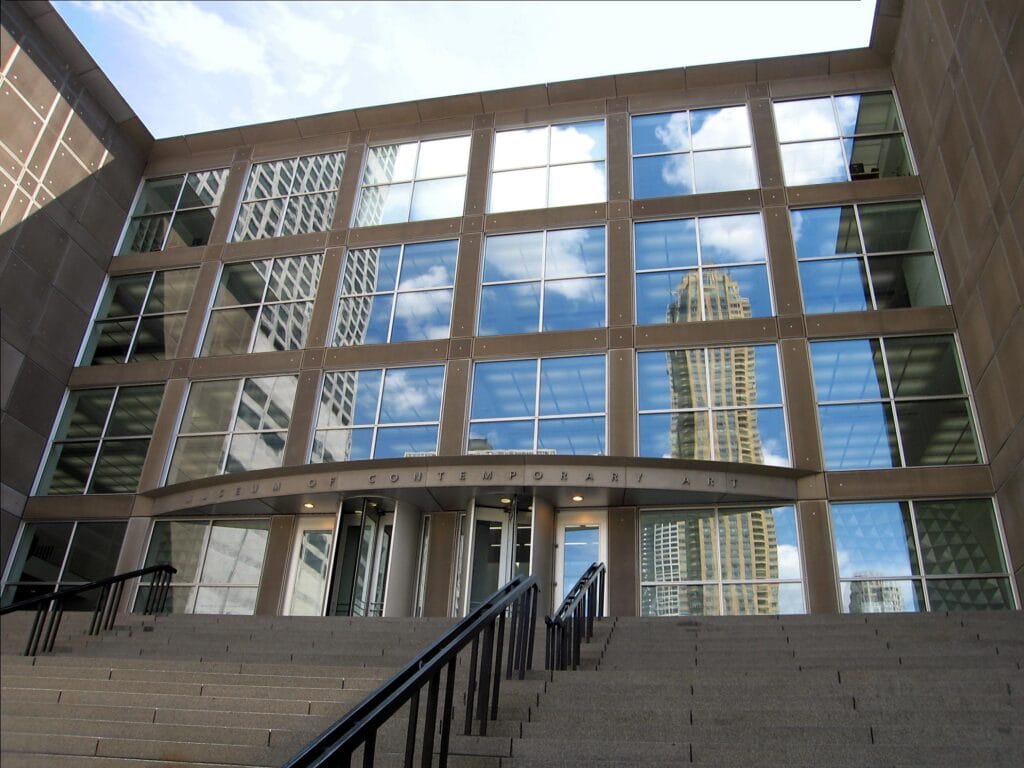
Approaching the Museum of Contemporary Art Chicago, visitors are greeted by a strikingly modernist façade that reflects the institution’s avant-garde ethos. The building’s angular, geometric design utilizes sleek lines and an emphasis on natural light, instantly signaling its dedication to innovative art. Situated in the Near North Side neighborhood, the museum occupies a prominent corner, making it both a visual and cultural landmark. At street level, a spacious entry plaza provides an inviting approach, often enlivened by outdoor sculptures or installations that extend the museum’s artistic presence beyond its walls. Upon entering, visitors encounter a bright, open lobby with an engaging architectural flow that guides them toward the exhibition galleries. The initial impression is one of openness and accessibility, emphasizing the museum’s mission to engage a broad and diverse public with contemporary art. The minimalist yet thoughtfully designed entry spaces prepare visitors for an immersive exploration of contemporary artistic practices.
Highlights and Key Exhibitions
The Museum of Contemporary Art Chicago offers a diverse array of exhibitions that span mediums, styles, and cultural perspectives, focusing on works produced since the 1940s to the present. Its permanent collection features significant contributions from internationally acclaimed artists such as Andy Warhol, Cindy Sherman, and Jeff Koons, highlighting the institution’s strength in post-war and contemporary art movements. Visitors can expect a balanced presentation that includes painting, sculpture, video, installation, and performance art. The museum is especially noted for its dynamic rotating exhibitions, which often delve into current themes such as social justice, identity, and technology’s impact on creativity. Its commitment to emerging artists is reflected in carefully curated shows that introduce new voices to the art world, providing context through thoughtful interpretation and presentation. Special exhibitions often feature seminal figures alongside contemporary innovators, allowing a dialogue between different generations and artistic practices, which significantly enhances visitors’ understanding of contemporary art’s evolution.
Visitor Experience
The overall visitor experience at the Museum of Contemporary Art Chicago is crafted to be engaging and educational, encouraging deep interaction with artworks and ideas. The layout of the galleries facilitates a chronological and thematic journey, although visitors can also choose to explore in a more free-form manner. The design promotes an intimate encounter with art, with well-spaced pieces that avoid overcrowding. Extensive didactic materials, including wall texts, multimedia guides, and digital resources, support the understanding of complex or challenging works. For those seeking deeper engagement, regularly scheduled tours, artist talks, and panel discussions enhance the museum’s role as an educational hub. The museum's café offers a stylish, comfortable setting to reflect on the exhibits, and the shop provides access to unique art books and artist-designed objects. Staff members are generally well-informed and approachable, adding to the welcoming atmosphere. Together, these elements create an environment that is intellectually stimulating yet accessible to visitors of varying levels of art knowledge.
Tickets, Access, and Planning
The Museum of Contemporary Art Chicago operates with a range of ticketing options suitable for casual visitors, students, seniors, and families. Admission fees are on par with comparable institutions, and free entry days or special discounts can occasionally provide broader access. The museum is well situated with convenient connections to public transportation, including buses and the Chicago transit system’s L trains, making it accessible to visitors from across the city and beyond. Onsite parking is available but limited, so alternatives are recommended. The building meets comprehensive accessibility standards, including wheelchair access, assistive listening devices, and visual aids, ensuring that the museum caters to the needs of all visitors. Planning a visit is straightforward via the museum’s official website, which offers detailed information on hours, exhibition schedules, and visitor guidelines. The site also frequently updates visitor protocols and special events, making it a reliable resource for prospective guests.
Final Verdict
The Museum of Contemporary Art Chicago stands as a compelling institution embodying the spirit of innovation and diversity central to contemporary art. Its architectural presence mirrors the dynamic and often challenging nature of the art it houses, creating a cohesive experience that resonates from arrival through to departure. Balancing prominent historical works with fresh perspectives from emerging artists, the museum manages to engage a broad audience without compromising on the complexity or depth of its exhibitions. The emphasis on education and accessibility ensures that both novices and seasoned art enthusiasts can find value in their visit. While the relatively limited onsite amenities may prompt some planning for meals or transportation, these minor considerations do little to detract from an otherwise rich cultural experience. For anyone interested in the ongoing dialogues shaping contemporary art today, the Museum of Contemporary Art Chicago offers an inspiring and thought-provoking destination.