Museum of Fine Arts Houston Review
Art Museums · Houston, United States. The Museum of Fine Arts Houston (MFAH) stands as one of the largest and most distinguished art museums in the United States, situated in the vibrant cultural landscape of Houston, Texas. Established in 1900,…
Art Museums · Houston, United States. The Museum of Fine Arts Houston (MFAH) stands as one of the largest and most distinguished art museums in the United States, situated in the vibrant cultural landscape of Houston, Texas. Established in 1900,…
Best forMasterpieces, architecture, cultural history
Review focusCollection highlights, building, visitor flow
Historical Context
The Museum of Fine Arts Houston (MFAH) stands as one of the largest and most distinguished art museums in the United States, situated in the vibrant cultural landscape of Houston, Texas. Established in 1900, the institution has grown significantly in size and stature, reflecting both the dynamism of the city it inhabits and the expanding role of art museums in contemporary society. With its origins rooted in a desire to nurture public engagement with the arts, MFAH has evolved into a comprehensive center for artistic exploration, education, and innovation. The museum’s collections and exhibitions span more than 6,000 years of history, covering a diverse array of global cultures and artistic movements. Over the decades, MFAH has undergone extensive architectural developments, including expansion projects that enhance the museum’s capacity to display its vast holdings and host large-scale exhibitions. Its commitment to accessibility, scholarly research, and community inclusion has solidified its reputation as a key cultural institution not only in Houston but across the wider international museum circuit.
What You See on Arrival
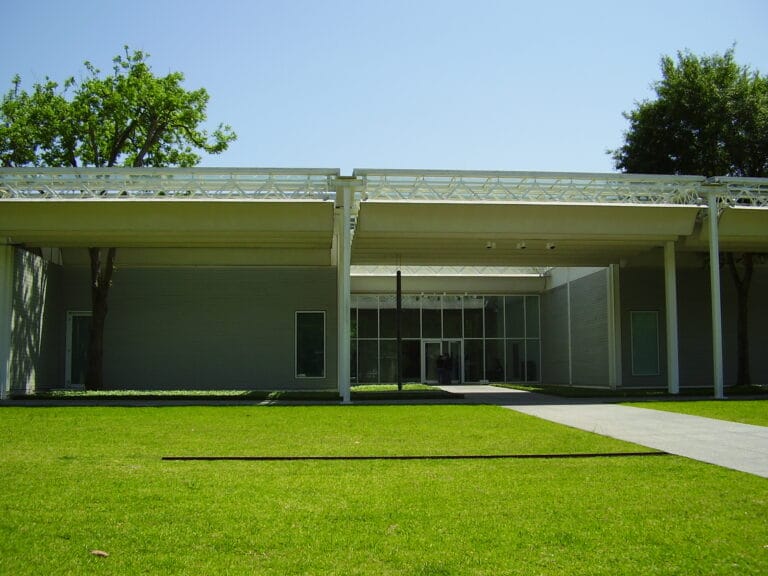
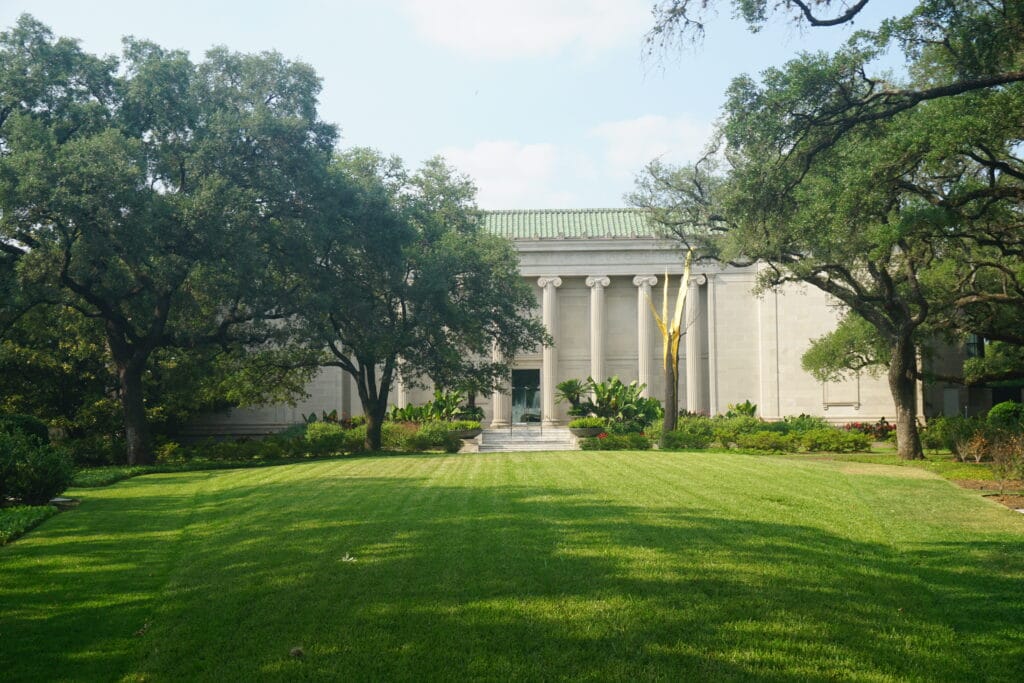
Approaching the Museum of Fine Arts Houston, visitors encounter a striking blend of architectural styles that reflect the institution’s layered history and expansive growth. The museum occupies a large complex situated at the Museum District in Houston, creating an inviting cultural hub surrounded by green spaces and public art installations. The primary building, with its clean lines and thoughtful use of natural materials, gives an immediate impression of openness and accessibility. Wide plazas and spacious entryways welcome guests with an understated elegance that foreshadows the rich artistic encounters inside. Outdoor sculptures and carefully curated landscaping contribute to a tranquil atmosphere, setting a contemplative tone even before stepping through the doors. Signage is clear and informative, aiding orientation without detracting from the aesthetic experience. On arrival, it becomes evident that the museum functions as both a sanctuary for art lovers and a civic space designed for community integration, appealing to a broad spectrum of visitors.
Highlights and Key Exhibitions
The Museum of Fine Arts Houston boasts a remarkably diverse permanent collection, which is one of its greatest strengths. It houses an extensive range of artworks including European paintings, contemporary art, American art, African and Oceanic art, and decorative arts. Renowned for its holdings of Impressionist and Post-Impressionist paintings, the museum features works by Monet, Degas, Renoir, and Van Gogh, among others. Its collection of American art includes significant pieces from the colonial era through the 20th century, reflecting both regional identities and broader national trends. Visitors will also find the museum’s contemporary collection compelling, with thoughtfully curated works by key figures in modern and postmodern art practices. The museum’s Asian art collection is particularly notable for its breadth, offering historical and cultural insights through ceramics, textiles, and sculptures.
Architectural highlights within MFAH include the Audrey Jones Beck Building, which houses much of the European collection in spacious, naturally lit galleries designed to enhance the viewing experience. Recent expansions have allowed for a dynamic presentation of changing exhibitions alongside the permanent collection. The Glassell School of Art, affiliated with the museum, contributes to the vibrant atmosphere by fostering creativity and learning. While temporary exhibitions vary, the museum consistently showcases cutting-edge works and thematic presentations that engage contemporary issues alongside the historical.
Visitor Experience
Navigating the Museum of Fine Arts Houston is facilitated by its well-organized layout and attentive staff. The museum balances scale with intimacy, offering spaces that allow for focused viewing as well as contemplative wandering. Gallery texts and labels are informative, providing context without overwhelming the viewer, and digital resources enhance the educational value for different audiences. Interactive elements and educational programs further enrich the visit, catering to families, students, and scholars alike.
Amenities include cafes and dining areas, gift shops that feature art-inspired merchandise, and comfortable lounges. Photography policies are generally accommodating, although some restrictions apply for specific exhibitions. The museum places a strong emphasis on inclusiveness, offering a range of accommodations for visitors with disabilities. The overall ambiance encourages visitors to engage deeply with the works while also providing spaces for social interaction and reflection.
Tickets, Access, and Planning
Entry to the Museum of Fine Arts Houston requires a ticket, with pricing structures designed to offer value for both occasional visitors and frequent patrons. Discounts are often available for seniors, students, and children, as well as free admission days targeted at community engagement. Membership options provide extended benefits including unlimited visits, event invitations, and discounts.
The museum is conveniently located within Houston’s Museum District, accessible by public transport and well-served by parking facilities. Clear signage and visitor guides are available on the museum’s website as well as on-site, facilitating efficient planning. Hours of operation are generally broad, allowing guests flexibility in scheduling visits. Online resources offer visitors the ability to explore current exhibitions, plan itineraries, and learn about upcoming events, enhancing the overall accessibility and preparedness for a visit.
Final Verdict
The Museum of Fine Arts Houston stands as a testament to the evolving role of art institutions in the 21st century. Its rich collections provide a panoramic view of art history from multiple continents and periods, while its commitment to innovative and inclusive programming fosters ongoing dialogue between art and community. The architectural interplay across its campus engages visitors both visually and spatially, creating a holistic cultural experience. Though the museum’s scale can be somewhat daunting, its thoughtful design and comprehensive visitor services make it navigable and welcoming.
This institution excels in balancing scholarly rigor with broad public appeal, presenting a sensory and intellectual feast for diverse audiences. Whether interested in classical masterpieces, modern art, or cultural narratives from across the globe, visitors are likely to find stimulating encounters at MFAH. While Houston itself is a sprawling metropolis, the museum acts as an essential cultural beacon within the city and beyond. For anyone seeking a multifaceted art experience enriched by depth and diversity, the Museum of Fine Arts Houston warrants serious consideration and anticipation.