Jinsha Site Museum Review
Archaeology Museums · Chengdu, China. The Jinsha Site Museum in Chengdu, China, stands as a compelling testament to the ancient Shu civilization, an enigmatic culture that thrived around 3,000 years ago. Uncovered in 2001, this archaeological site offers invaluable…
Archaeology Museums · Chengdu, China. The Jinsha Site Museum in Chengdu, China, stands as a compelling testament to the ancient Shu civilization, an enigmatic culture that thrived around 3,000 years ago. Uncovered in 2001, this archaeological site offers invaluable…
Best forScience, technology, hands-on learning
Review focusExhibits, interpretation, visitor flow
Historical Context
The Jinsha Site Museum in Chengdu, China, stands as a compelling testament to the ancient Shu civilization, an enigmatic culture that thrived around 3,000 years ago. Uncovered in 2001, this archaeological site offers invaluable insights into a period that significantly shaped the region’s cultural and historical landscape. The discovery of the Jinsha site was a pivotal moment for historians and archaeologists alike, challenging previous understandings of early Chinese civilization and expanding awareness of the diversity and sophistication present in ancient southwestern China. Rich with artifacts, the museum allows visitors to explore the legacy left behind by the Shu people through excavated relics ranging from gold and jade to bronze works and pottery, many of which exhibit intricate craftsmanship and symbolic meaning. The museum’s establishment has greatly enhanced Chengdu’s standing as a cultural hub and serves as a crucial repository for the preservation and interpretation of the Shu heritage, offering an essential narrative complementing the more extensively documented ancient cultures of the Yellow River Valley.
What You See on Arrival
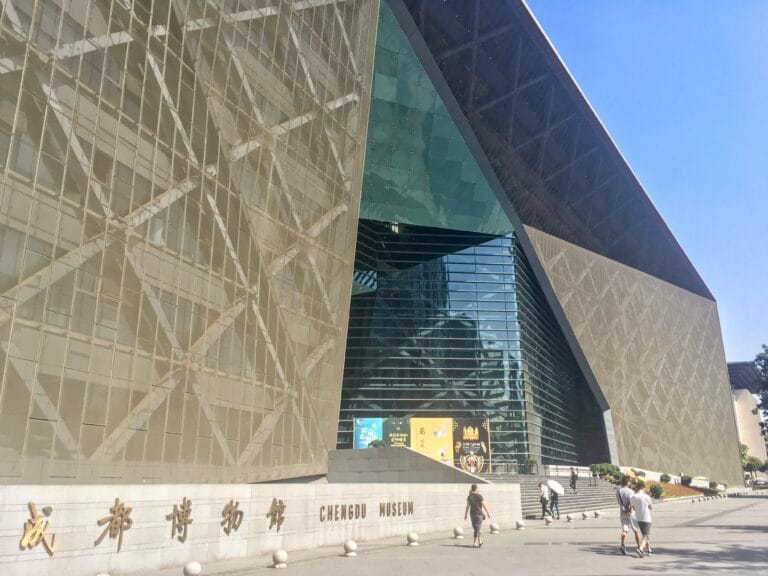
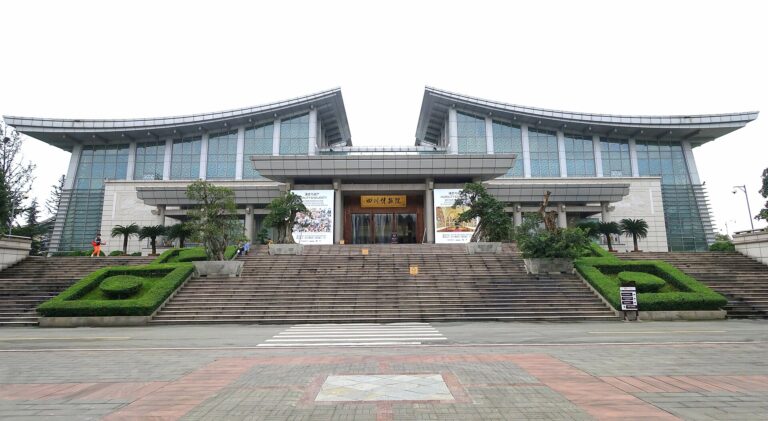
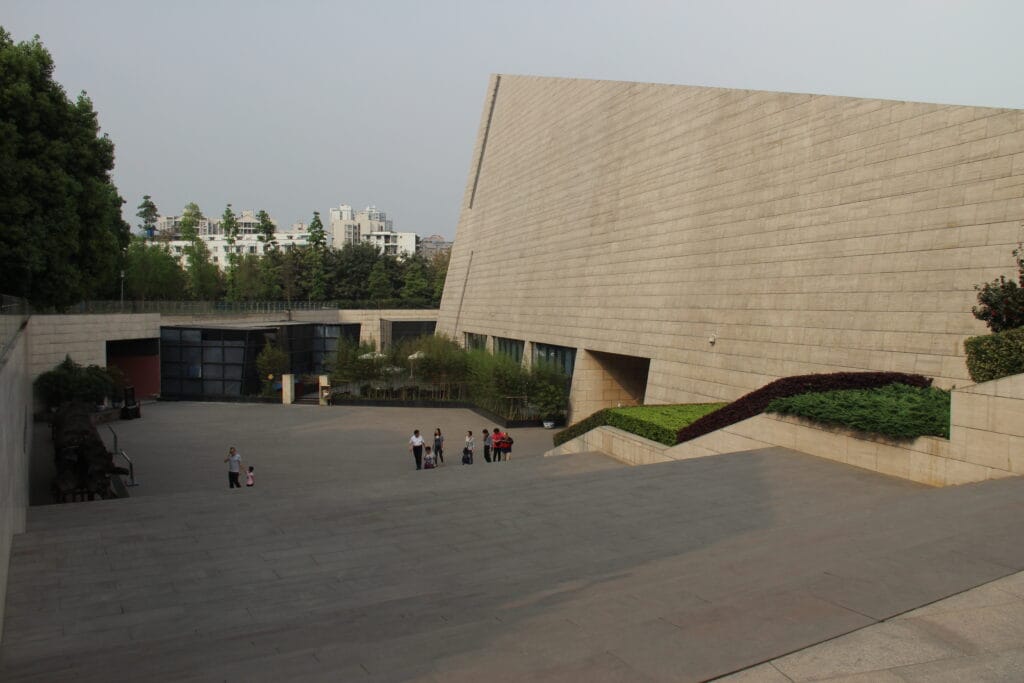
Upon approaching the Jinsha Site Museum, visitors are immediately struck by the seamless integration of modern museum architecture with the natural landscape. The building’s innovative design emphasizes open space and light, reflecting the archaeological emphasis on excavation and discovery. From its glass facades, one can glimpse the expansive site preserved and visible beneath the museum, inviting curiosity about what lies beneath the surface. The museum grounds are surrounded by carefully maintained gardens and walkways, creating a tranquil atmosphere that prepares visitors for a journey into the past. Informational plaques and maps are evident near the entrance, making orientation straightforward without overwhelming guests. The transition from the external parkland to the internal exhibition spaces is thoughtfully executed, with visual cues directing attention both to the artifacts to be explored inside and the archaeological site viewable through the building’s transparent floors.
Highlights and Key Exhibitions
The Jinsha Site Museum’s collection is notable for both its breadth and the uniqueness of the material uncovered. Central to the exhibitions are the exquisite gold masks and sunbird-shaped artifacts, which have become emblematic of the Jinsha culture and testify to the advanced metallurgical skills of the Shu people. These items are displayed with careful attention to lighting and context, allowing visitors to appreciate their craftsmanship and symbolic significance fully. Bronze ritual vessels and jade objects represent another highlight, illustrating the ceremonial and aesthetic values of the society. The museum also dedicates space to the daily life of the ancient inhabitants, with pottery shards and tools offering a window into ordinary existence alongside the more spectacular ceremonial objects. Of particular interest is the extensive multimedia presentation that reconstructs the site’s original layout and significance, enriching understanding beyond static displays. The preservation of the actual excavation site beneath the museum adds a rare dimension, bringing visitors face-to-face with the physical context of the artifacts and emphasizing the continuous narrative between discovery and display.
Visitor Experience
Navigating the Jinsha Site Museum is generally straightforward, with a logical flow guiding guests through chronologically arranged exhibitions. Clear signage is prevalent, though some of the detailed explanations might pose challenges for non-Chinese speakers, as English translations, while present, are occasionally limited in scope. The museum staff are reportedly approachable and knowledgeable, enhancing the visitor experience through occasional guided tours and on-site assistance. Interactive and multimedia elements are skilfully incorporated, balancing modern technological engagement with respectful presentation of ancient relics. The atmosphere is contemplative yet welcoming, with ample seating areas allowing for rest and reflection. The museum’s cafe and gift shop offer opportunities for refreshment and souvenir acquisition, featuring items inspired by the Jinsha artifacts and Shu culture. While the museum is relatively family-friendly, younger visitors may benefit from prepared educational materials or guided tours tailored to their level of understanding.
Tickets, Access, and Planning
Entrance to the Jinsha Site Museum is reasonably priced, with discounts available to students, seniors, and local residents. It is advisable to check the museum’s official website for current ticketing policies, especially in light of occasional changes due to public health considerations. The museum’s location in Chengdu is accessible via public transport, including bus lines and metro connections, with clear signposting from key transit hubs. Parking facilities are limited, thus visitors relying on private vehicles should plan accordingly. The museum offers wheelchair access and has taken steps to accommodate visitors with reduced mobility, although some areas, particularly the site viewing platforms, may pose minor challenges. Audio guides are available for rent, providing a more in-depth commentary suitable for those wishing to deepen their understanding. Planning a visit during weekdays or outside peak holiday periods will ensure a more relaxed experience, as the museum can become crowded during weekends and local festivals.
Final Verdict
The Jinsha Site Museum is an essential cultural destination for anyone interested in ancient Chinese history, archaeology, and the rich tapestry of regional civilization development. Its unique focus on the Shu culture, a less well-known but profoundly significant society, distinguishes it within China’s extensive museum landscape. The museum successfully combines rigorous archaeological scholarship with visitor-friendly presentation, offering a balanced and informative experience. While language barriers may slightly hinder international engagement, the quality of the exhibitions and the uniqueness of the site more than compensate for this limitation. The integration of the actual excavation within the museum’s design provides a rare and compelling perspective that enriches understanding. For visitors to Chengdu seeking to explore beyond the city’s contemporary attractions, the Jinsha Site Museum delivers a rewarding encounter with China’s distant past that resonates well beyond the local context.