Hubei Provincial Museum Review
Archaeology Museums · Wuhan, China. The Hubei Provincial Museum, located in the vibrant city of Wuhan, China, stands as a significant institution dedicated to the preservation and exhibition of the rich cultural heritage of Hubei Province and its surrounding…
Archaeology Museums · Wuhan, China. The Hubei Provincial Museum, located in the vibrant city of Wuhan, China, stands as a significant institution dedicated to the preservation and exhibition of the rich cultural heritage of Hubei Province and its surrounding…
Best forTransport history, engineering, families
Review focusCollection, storytelling, practical visit
Historical Context
The Hubei Provincial Museum, located in the vibrant city of Wuhan, China, stands as a significant institution dedicated to the preservation and exhibition of the rich cultural heritage of Hubei Province and its surrounding regions. Established in 1953, it has grown into one of the foremost museums in China, renowned for its extensive collection of artifacts that date back thousands of years. The museum plays a critical role in showcasing the cultural and historical development of central China, with a particular emphasis on the ancient Chu kingdom, which flourished during the Warring States period. The museum’s collection not only offers insight into local history but also reflects broader themes in Chinese history, art, and archaeology, making it an essential destination for those interested in the depth and breadth of China’s past. Its role as an educational resource and research institution enhances its stature among both domestic and international audiences.
What You See on Arrival
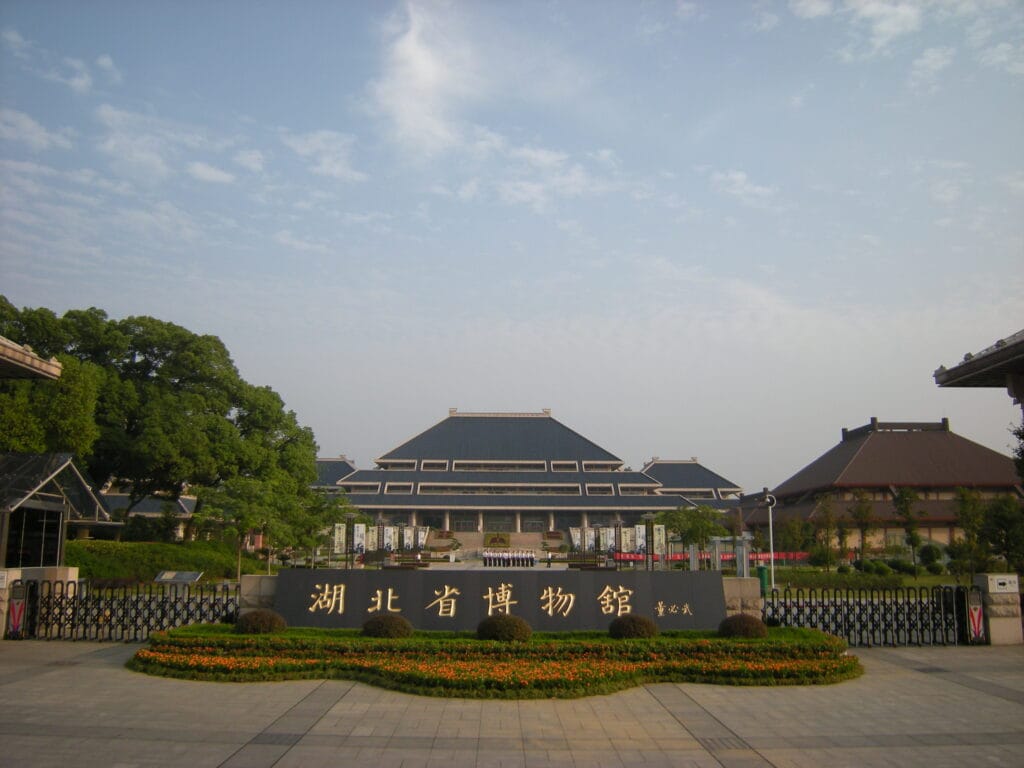
Approaching the Hubei Provincial Museum, visitors are greeted by an impressive modern structure that elegantly combines traditional Chinese architectural elements with contemporary design. The building’s location near the scenic East Lake adds to the appeal, providing a tranquil setting that contrasts with the bustling city backdrop of Wuhan. The exterior features clean lines and expansive glass panels that allow natural light to illuminate the interior spaces. Grand entrance gates and sculpted landscaping create a dignified approach to the museum. Upon entry, visitors find a spacious lobby area designed to accommodate groups comfortably, with multilingual signage and information desks readily available. The layout is intuitive, guiding visitors seamlessly to various galleries and facilities. The immediate impression is one of orderliness and reverence for the collections housed within, setting a tone of anticipation and respect for the cultural treasures on display.
Highlights and Key Exhibitions
The core of the Hubei Provincial Museum’s appeal lies in its vast and diverse exhibitions, which span thousands of years and include a remarkable array of artifacts. Among the most celebrated are relics from the tomb of Marquis Yi of Zeng, an archaeological discovery that ranks as one of the most important in Chinese history. This particular exhibit features exquisite bronze vessels, intricate musical instruments, and decorated lacquerware, all remarkably preserved. These items reveal the sophistication of craftsmanship and cultural life during the Warring States period. Another highlight includes ancient jade carvings and pottery that illustrate the everyday life and spiritual beliefs of early inhabitants of the region.
The museum is also known for its collection of ethnographic materials that provide insight into the varied cultures and traditions of ethnic groups within Hubei. Paintings, textiles, and religious artifacts round out its comprehensive representation of provincial history. The displays are curated with a scholarly approach, yet presented with clear explanatory panels, bilingual descriptions, and multimedia elements designed to engage a broad audience. This combination of deep historical context with accessible presentation ensures that the exhibitions resonate with both academic visitors and the general public.
Visitor Experience
Visitors to the Hubei Provincial Museum benefit from a well-organized and thoughtful presentation of its collections. The exhibit spaces are spacious and well-lit, allowing for comfortable viewing without overcrowding, which enhances the appreciation of the artifacts on display. The museum employs interactive digital installations to complement traditional exhibits, providing additional layers of interpretation that are especially useful for younger audiences or those less familiar with Chinese history.
The staff at the museum are noted for their professionalism and helpfulness, with guides available to enrich visitors' experience through detailed explanations and personalized tours. Multilingual support, including English, is available, making the museum accessible to international visitors. Amenities such as a museum shop, café, and rest areas contribute to a pleasant visit, allowing guests to spend several hours comfortably exploring. The museum also organizes educational programs and lectures, further inviting visitor engagement beyond the passive viewing of exhibits.
Tickets, Access, and Planning
Admission to the Hubei Provincial Museum is generally affordable, with discounted rates for students, seniors, and groups, and often free entry days that encourage public engagement. Tickets can typically be purchased online or at the museum, though it is advisable to confirm current policies and any necessary reservations on the official website before planning a visit. The museum’s location in Wuhan is well-served by public transportation, including buses and metro lines, making access convenient for both residents and tourists. Parking facilities are available for those arriving by car.
The museum’s layout is designed with accessibility in mind, featuring ramps, elevators, and clear signage to accommodate visitors with mobility challenges. The proximity to East Lake offers additional opportunities to explore the natural surroundings before or after the museum visit. Visitors are encouraged to allocate several hours to fully appreciate the depth of the exhibitions. For those with specific interests, pre-visit research or inquiries can help tailor the experience.
Final Verdict
The Hubei Provincial Museum is a cultural gem that successfully combines scholarly rigor with visitor-friendly presentation, offering a comprehensive look at the history and cultural heritage of central China. Its outstanding collection, especially the artifacts from the Marquis Yi tomb, distinguishes it as a must-visit institution for those interested in ancient Chinese history and archaeology. The museum’s striking architecture and serene location further enhance the experience, providing a peaceful retreat amidst Wuhan’s urban environment.
While the museum maintains a strong focus on regional heritage, it appeals broadly through well-curated exhibitions that contextualize these local stories within the wider tapestry of Chinese civilization. A few areas might benefit from expanded multilingual resources or contemporary interpretive methods to reach even more global visitors. Nevertheless, the Hubei Provincial Museum remains a premier destination for cultural enrichment, education, and discovery, making it highly recommended for history enthusiasts, scholars, and curious travelers alike.
For more detailed information and current visitor guidelines, the museum’s official website remains an essential resource.