Museo Galileo Review
History Museums · Florence, Italy. Museo Galileo, located in the heart of Florence, Italy, stands as a dedicated homage to one of history's most influential figures in the scientific revolution: Galileo Galilei. Established in 1930, the museum preserves and…
History Museums · Florence, Italy. Museo Galileo, located in the heart of Florence, Italy, stands as a dedicated homage to one of history's most influential figures in the scientific revolution: Galileo Galilei. Established in 1930, the museum preserves and…
Best forMasterpieces, architecture, cultural history
Review focusCollection highlights, building, visitor flow
Historical Context
Museo Galileo, located in the heart of Florence, Italy, stands as a dedicated homage to one of history's most influential figures in the scientific revolution: Galileo Galilei. Established in 1930, the museum preserves and showcases a vast collection of scientific instruments, many of which belonged to Galileo himself and his contemporaries. Florence, often celebrated for its artistic and cultural Renaissance heritage, also played a pivotal role in the advancement of empirical science, and Museo Galileo elegantly bridges this legacy. The institution serves not only as a repository of artifacts central to the evolution of modern science but also as a scholarly resource underpinning historical research into early scientific inquiry. Linking Galileo’s groundbreaking observations and methods with the broader context of scientific development in Europe, the museum is a crucial site for understanding the transformation from medieval cosmology to a modern view of the universe.
What You See on Arrival
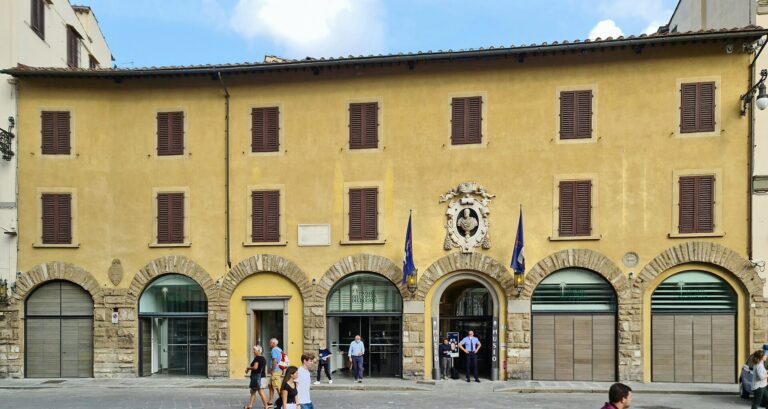
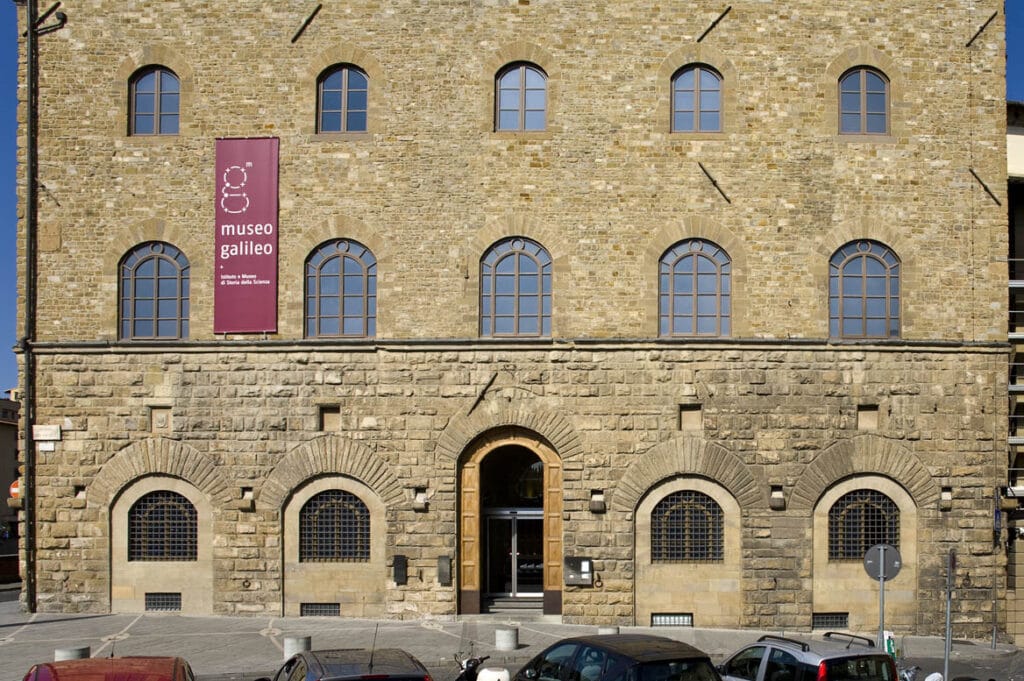
Visitors to Museo Galileo are greeted by the imposing yet elegant façade of the Palazzo Castellani, located along the Arno River, with views that complement the city’s historic character. Upon entering, one is immediately immersed in a space where the past and science converge. The museum’s layout is carefully choreographed, beginning with an overview of Galileo’s life and works before progressing to an extensive collection of scientific instruments. The entrance area typically offers introductory panels and multimedia presentations that provide essential background information, setting the tone for the exploration that follows. The atmosphere is serene, allowing visitors to focus entirely on the displays, which range from intricately crafted telescopes and microscopes to astrolabes and mathematical devices. The spatial design, careful lighting, and display techniques combine to highlight the delicate craftsmanship and historical significance of each item on view.
Highlights and Key Exhibitions
Museo Galileo’s core strength lies in its exceptional collection of scientific instruments, many originating from the 15th to the 18th centuries. Among the standout items is the Galilean telescope, a cornerstone in astronomy, which revolutionized humanity’s understanding of the cosmos. Exhibition rooms feature instruments used not only by Galileo but also by other pioneering astronomers and scientists such as Eustachio Divini and Vincenzo Viviani. This emphasis on original artifacts rather than replicas adds immense value to the experience, allowing deeper appreciation of scientific history. The museum boasts an impressive array of astrolabes, intricately engraved armillary spheres, and early compasses, each reflecting the evolving comprehension of navigation, astronomy, and physics. Detailed explanatory plaques accompany each piece, addressing both the technical aspects and their significance in scientific progress. Dedicated sections also explore the broader intellectual milieu of Renaissance Florence, touching on intersections between art, philosophy, and science, which enriches the overall narrative.
Visitor Experience
The Museo Galileo caters effectively to a diverse audience, from scholars and history buffs to families and tourists with a budding interest in science. Its educational focus is evident in the careful curation and accessible yet scholarly presentation of exhibits. Audio guides and printed materials are often available in multiple languages, enhancing comprehension for international visitors. Interactive displays and occasional workshops extend the learning experience beyond traditional exhibition viewing, though these are typically supplementary rather than central features. The museum’s staff and resources strive to balance detailed historical accuracy with engaging interpretation. Visitor flow is generally well-managed, allowing ample time for contemplation without crowding, though peak tourist seasons can see higher volumes. The setting, enriched by Florence’s artisticBackdrop, provides a unique ambiance conducive to reflective exploration. Small-scale seating areas located between exhibit sections allow rest and contemplation, making the visit manageable for individuals with varying stamina.
Tickets, Access, and Planning
Ticketing at Museo Galileo tends to be straightforward, with options for standard adult admission, discounted rates for students, seniors, and groups, and free entry for children below a certain age, maintaining a family-friendly approach. Information on prices and opening hours is reliably updated on the official museum website, encouraging prospective visitors to plan ahead. The museum is centrally located, easily reachable by public transportation or on foot from major Florence landmarks, facilitating seamless inclusion in broader sightseeing itineraries. Accessibility provisions are adequate, with ramps and elevator access available for those with mobility challenges, though the historic nature of the building imposes some constraints on spatial modifications. It is advisable for visitors to allocate approximately one to two hours for a thorough tour, depending on individual interest levels. Photography policies may vary between permanent and temporary exhibits but generally allow non-flash photography, supporting both personal enjoyment and scholarly use.
Final Verdict
Museo Galileo stands as a compelling destination for anyone intrigued by the roots of modern science and the remarkable story of Galileo’s contributions. The museum combines a rich collection of original instruments with thoughtful interpretation, making complex scientific concepts accessible while preserving academic rigor. Its location in Florence enhances the evocative connection between science, history, and Renaissance culture. While it may not boast the broad appeal of more general art or history museums, it offers a specialized yet captivating experience for visitors who appreciate the history of scientific inquiry. Some may find the relatively modest size limits the scope when compared to larger science museums, but the quality and authenticity of its objects more than compensate for this. All in all, Museo Galileo offers a unique window into a transformative period in human understanding, making it a must-see for those visiting Florence with an interest in science, history, or the Renaissance era.