Museo Galileo
History Museums · Florence, Italy. Museo Galileo in Florence, Italy stands as a premier science museum dedicated to the history of astronomy and scientific instruments. Named after Galileo Galilei, the pioneering astronomer and physicist who made revolutionary contributions to…
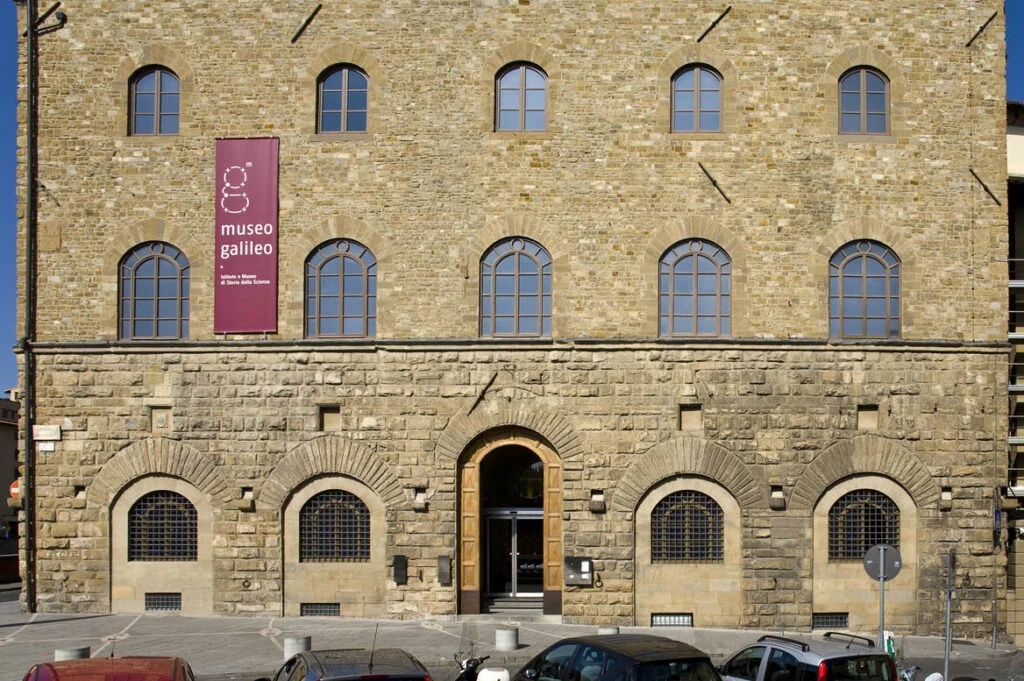
Best forMasterpieces, architecture, cultural history
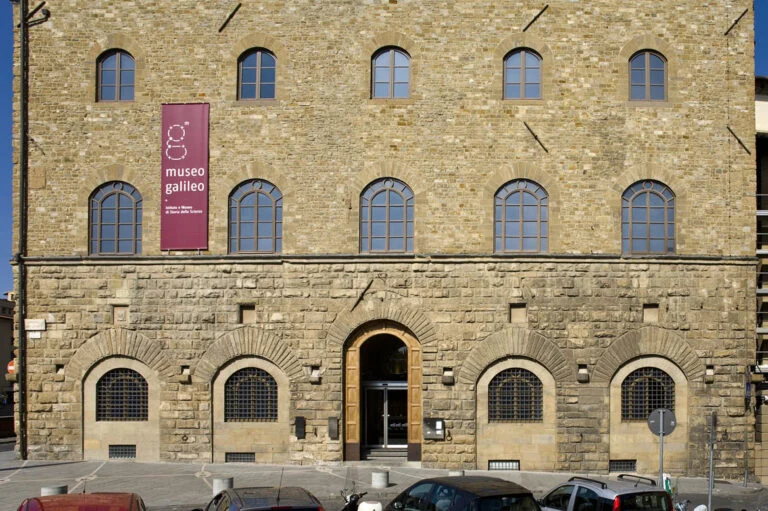
Setting / nearbyThe Palazzo Castellani, an elegant Renaissance building that itself is a significant histo
Overview
Museo Galileo in Florence, Italy stands as a premier science museum dedicated to the history of astronomy and scientific instruments. Named after Galileo Galilei, the pioneering astronomer and physicist who made revolutionary contributions to our understanding of the cosmos, the museum offers a fascinating journey through centuries of scientific discovery and innovation. Housed in a historic palace near the Arno River, the museum invites visitors to explore the intersection of art, science, and history within one of the world’s most culturally rich cities. It blends the elegance of Renaissance Florence with the legacy of one of science’s most celebrated figures, making it an essential destination for those interested in the history of science and technology.
Collection Highlights
The core of Museo Galileo’s collection centers around scientific instruments from the Renaissance and Enlightenment periods, many of which are directly connected to the Galilean legacy. The museum’s extensive assemblage includes astrolabes, telescopes, globes, microscopes, and early calculating devices. Among the most notable items are early telescopes attributed to Galileo and instruments used for celestial observations that contributed to the development of modern astronomy.
Visitors will find an impressive array of precision scientific instruments crafted by Italian and European scientists and artisans. These include finely detailed compasses, sundials, and early barometers that reflect the ingenuity and craftsmanship of past centuries. The museum also exhibits globes—both terrestrial and celestial—that provide insight into how people of the time understood and navigated the world and the heavens.
In addition to historical artifacts, the museum often features temporary exhibitions and multimedia displays that contextualize the scientific advances within their historical, cultural, and philosophical frameworks. These exhibits help illuminate the developmental path of scientific thought and highlight how Galileo’s work challenged prevailing doctrines and paved the way for modern science.
Building and Setting
The Museo Galileo is located in the Palazzo Castellani, an elegant Renaissance building that itself is a significant historical monument. The building’s classical architecture, with its arched loggias and refined façade, complements the museum’s scholarly atmosphere and enhances the visitor experience. Situated just a short walk from Florence’s iconic landmarks, the museum occupies a central and easily accessible position in the city.
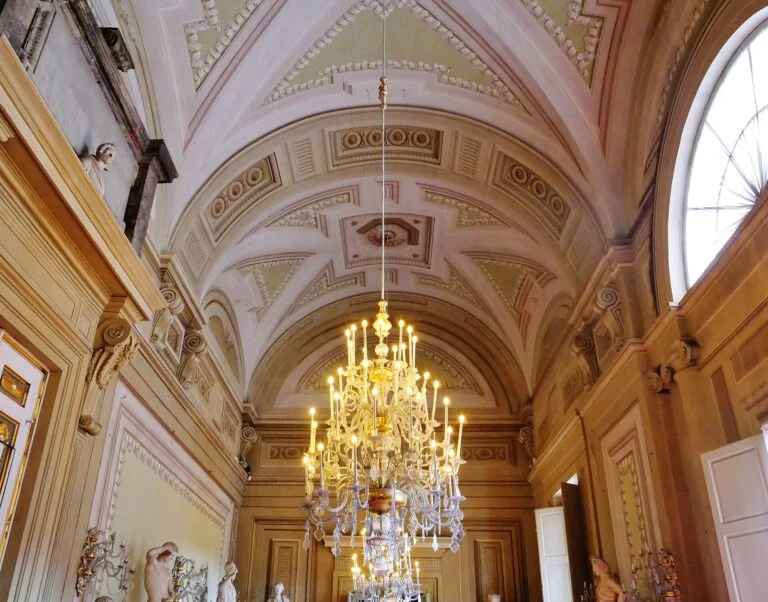
The interior spaces have been thoughtfully adapted to accommodate the display of delicate scientific instruments while maintaining the character and beauty of the original architecture. Exhibition rooms are arranged to guide visitors on a chronological and thematic journey through the history of science. The museum also includes reading rooms and research facilities used by scholars interested in the history of science, reflecting its dual role as both a public museum and an academic center.
The setting of the Museo Galileo in Florence is especially fitting given the city’s pivotal role in the Renaissance—a period that redefined art, science, and philosophy. The museum’s proximity to other cultural sites such as the Uffizi Gallery and the historic city center makes it an ideal stop within a broader exploration of Florence’s rich heritage.
Practical Information
Before planning a visit to Museo Galileo, it is advisable to check the most current information regarding opening hours and ticket prices, as these details can change. The museum generally welcomes individual visitors and groups, with special provisions for educational visits. Tickets can typically be purchased online or at the museum, with options for combined tickets if visitors wish to explore other nearby cultural sites.
Accessibility varies throughout the building, so it is recommended to inquire in advance if assistance or accommodations are needed. The museum staff are usually helpful in providing information to ensure a smooth visit. Photography policies may also be in place to protect the delicate instruments, so visitors should verify any restrictions upon arrival.
Operating in the heart of Florence, the Museo Galileo benefits from excellent transport links, including proximity to major bus routes and parking areas. Its location also encourages visitors to combine their museum experience with sightseeing, dining, and shopping in one of Italy’s most picturesque and historically rich cities.
Why Visit
Museo Galileo offers a unique and enriching experience for anyone interested in the evolution of scientific knowledge and the profound impact of Galileo’s discoveries on the modern world. Unlike many science museums centered on interactive displays or contemporary technology, this institution provides a tangible connection to the past through its remarkable collection of historical instruments and manuscripts.
The museum’s warm and inviting atmosphere allows visitors to appreciate the artistry and precision involved in early scientific work. By exploring original tools and devices, guests gain insight into how scientific exploration was conducted before the advent of modern equipment. This historical perspective enriches the understanding of science as a human endeavor shaped by curiosity, creativity, and intellectual courage.
For students, historians, scholars, and curious travelers alike, Museo Galileo is a captivating venue that bridges the gap between science and culture. It encourages reflection on the nature of discovery and the continual quest to comprehend our universe. The museum stands as a tribute to the spirit of inquiry epitomized by Galileo himself, inspiring visitors to consider the enduring legacy of scientific innovation.
In summary, visiting Museo Galileo is more than just seeing ancient objects; it’s an immersion into the story of how humanity’s vision of the world was transformed. It highlights Florence not only as a cradle of Renaissance art but also as a birthplace of scientific thought, making it a must-see for those seeking a deeper understanding of both history and science.