Watanabe Museum of Art Review
Art Museums · Tottori, Japan. The Watanabe Museum of Art, located in the coastal city of Tottori, Japan, stands as a testament to the rich cultural heritage and artistic traditions of the region. Established in the late 20th century,…

Art Museums · Tottori, Japan. The Watanabe Museum of Art, located in the coastal city of Tottori, Japan, stands as a testament to the rich cultural heritage and artistic traditions of the region. Established in the late 20th century,…
Best forMasterpieces, architecture, cultural history
Review focusCollection highlights, building, visitor flow
Historical Context
The Watanabe Museum of Art, located in the coastal city of Tottori, Japan, stands as a testament to the rich cultural heritage and artistic traditions of the region. Established in the late 20th century, the museum was founded with the intention of preserving and showcasing a diverse collection that spans several centuries. It reflects a deep appreciation for both regional and international artistry, offering a unique lens through which visitors can explore Japan’s cultural narrative. The museum’s collections include a broad array of ceramics, traditional crafts, paintings, and archaeological artifacts, each selected to represent significant moments in artistic evolution. Tottori itself, known for its sand dunes and natural beauty, adds an atmospheric backdrop to the museum, encouraging visitors to engage with art in a setting where history and nature converge. The Watanabe Museum of Art contributes to the cultural fabric of Tottori by providing educational opportunities and promoting an understanding of Japan’s artistic legacies within a global context.
What You See on Arrival
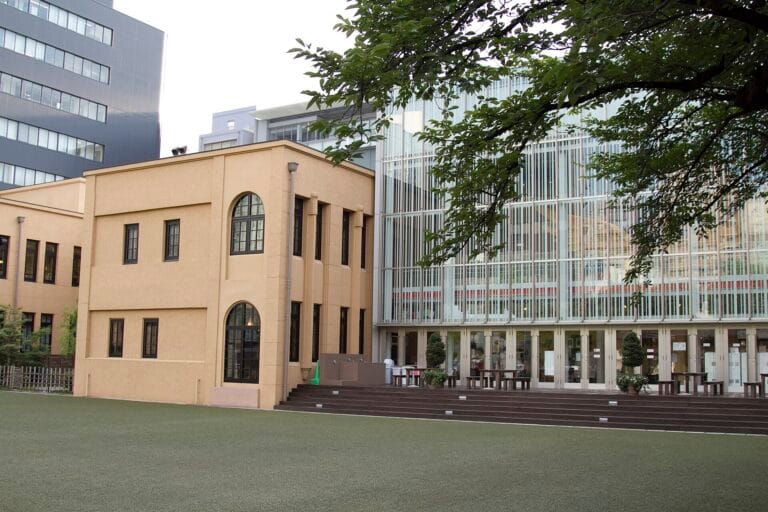
Approaching the Watanabe Museum of Art, visitors are first greeted by a structure that harmoniously blends modern architectural elements with traditional Japanese aesthetics. The exterior design is understated yet elegant, reflecting the museum’s commitment to balance and subtlety, qualities frequently observed in the art it houses. The entrance area is spacious and welcoming, designed to evoke a sense of calm and anticipation. Outside, manicured gardens and thoughtfully placed stone pathways create a serene environment that encourages reflection even before stepping inside. The signage is clear but discreet, ensuring that the focus remains on the visual appeal of the surroundings. An outdoor sculpture or two, thoughtfully positioned near the entrance, hints at the artistic treasures within. The initial impression is one of quiet refinement, setting the tone for an immersive cultural experience.
Highlights and Key Exhibitions
The Watanabe Museum of Art boasts an impressive and varied permanent collection that closely ties to the cultural identity of the Tottori region. Among the most notable are the exquisite ceramics, particularly those crafted in the traditional styles associated with the area, such as the distinctive Tottori pottery. These pieces demonstrate a remarkable range of techniques and aesthetics, showcasing both the functional and artistic qualities of ceramic work. The museum’s collection of ukiyo-e prints is another highlight, featuring works by some of Japan’s most celebrated masters of this genre. These prints not only serve as exquisite artworks in their own right but also as historical documents that provide insight into the Edo and Meiji periods.
In addition to these, the museum houses a diverse selection of fine arts including calligraphy, ink paintings, and lacquerware, representing a timeline of Japanese artistry. The archaeological section sheds light on the ancient cultures of the San’in region through artifacts such as Jomon pottery and burial goods, offering visitors a glimpse of prehistoric life. The curatorial approach ensures that each exhibition is thoughtfully arranged to tell a story, enabling visitors to appreciate the interconnectedness of art, history, and culture.
Visitor Experience
The Watanabe Museum of Art offers a visitor experience marked by tranquility and educational depth. The galleries are spacious and well-lit, with a layout that encourages a slow, contemplative exploration rather than hurried viewing. Interpretive panels and labels provide clear, concise information in multiple languages, including English, which is essential for the international visitor seeking to understand the subtleties of the collection. While there is an emphasis on traditional Japanese art forms, the museum’s presentation is accessible and engaging, avoiding overly academic jargon.
Seating areas are thoughtfully placed throughout the galleries, permitting visitors to rest and absorb the surroundings. The museum staff is known for their welcoming demeanor and readiness to assist with inquiries, enhancing the overall atmosphere of hospitality. Educational programs and workshops, although not typically geared toward casual drop-in visitors, provide enriching opportunities during scheduled sessions. Photography policies are generally restrictive inside the galleries, preserving the integrity of the artworks but requiring advance planning for those who wish to capture their visit.
Tickets, Access, and Planning
Planning a visit to the Watanabe Museum of Art is straightforward due to clear information available on its official platform. Admission fees are reasonable and designed to encourage broad public access while supporting the museum’s maintenance and programming. Discounts are frequently available for seniors, students, and groups, making it an affordable cultural destination. Opening hours accommodate both local residents and tourists, although it is advisable to check specific times as they may vary seasonally or due to public holidays.
The museum is accessible via public transportation from central Tottori city, with signage at transit points directing visitors to the site. For those arriving by car, parking facilities are on-site and adequately sized, although spaces can become limited during peak tourist seasons. Accessibility for visitors with disabilities has been addressed thoughtfully; ramps, elevators, and tactile guides ensure that the museum is navigable to most visitors regardless of physical limitations. Nearby amenities include cafes and souvenir shops, providing a convenient complement to the visit.
Final Verdict
The Watanabe Museum of Art in Tottori offers a rich cultural experience that blends regional heritage with broader Japanese artistic traditions. Its collection, centered on ceramics, prints, and archaeological artifacts, is both deep and diverse, appealing to enthusiasts of Japanese art and history alike. The museum’s architecture and setting complement the exhibits beautifully, fostering a sense of peaceful engagement that enhances the contemplative nature of art appreciation.
While the museum may not boast the grandeur or expansive exhibition space of larger metropolitan institutions, it compensates by offering intimacy and carefully curated displays that create a meaningful dialogue between past and present. The visitor experience is thoughtfully designed, with attention to comfort, education, and accessibility. Given its affordable admission and easy access, the Watanabe Museum of Art represents a valuable cultural destination within Tottori, rewarding those who seek to understand Japan’s artistic legacy in a more regional and personal context. It stands as a commendable institution for both casual visitors and dedicated connoisseurs, promising insights that resonate beyond the gallery walls.