MAXXI Review
Art Museums · Rome, Italy. Situated in Rome, Italy, the MAXXI (National Museum of 21st Century Arts) stands as a beacon of contemporary creativity amid a city famed for its classical and Renaissance heritage. Conceived in the late 1990s…
Art Museums · Rome, Italy. Situated in Rome, Italy, the MAXXI (National Museum of 21st Century Arts) stands as a beacon of contemporary creativity amid a city famed for its classical and Renaissance heritage. Conceived in the late 1990s…
Best forMasterpieces, architecture, cultural history
Review focusCollection highlights, building, visitor flow
Historical Context
Situated in Rome, Italy, the MAXXI (National Museum of 21st Century Arts) stands as a beacon of contemporary creativity amid a city famed for its classical and Renaissance heritage. Conceived in the late 1990s and opened in the 21st century, MAXXI represents Italy’s commitment to fostering modern and contemporary art forms alongside its rich historical traditions. It was established with the intent to provide a dynamic space for the arts of today—embracing architecture, visual arts, and design as interconnected disciplines that shape the cultural landscape. MAXXI’s mission pushes against the confines of traditional museum narratives by highlighting contemporary voices and innovative practices, thus anchoring it firmly in the current cultural discourse. Its setting in Rome, a city dominated by historical monuments and antiquities, offers a striking juxtaposition: a modernist architectural work dedicated exclusively to the art of the present and future. This positioning underscores MAXXI's role as an avant-garde institution within one of the world’s most historically saturated environments.
What You See on Arrival
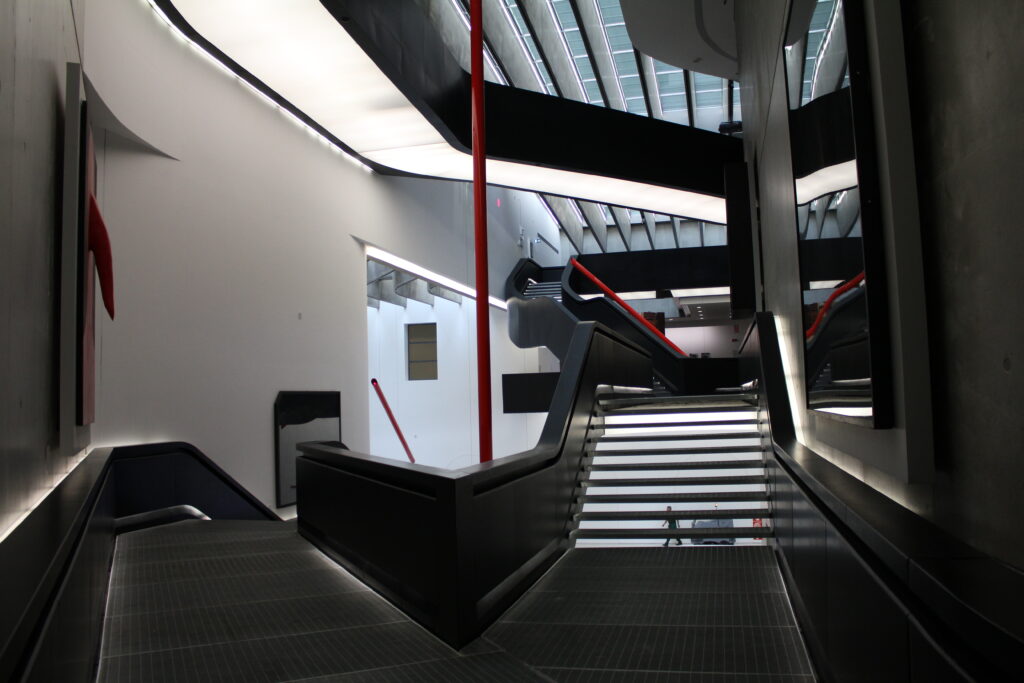
Approaching MAXXI, it becomes immediately apparent that the building itself is more than just a container for exhibitions. Designed with sweeping curves and ambitious structural forms, the museum conveys a sculptural presence that echoes the creative pursuits housed within. The facade, predominantly glass and concrete, invites natural light to penetrate deeply inside, creating fluid visual connections between interior and exterior spaces. The asymmetric layout disrupts conventional museum expectations, signaling that visitors are entering a place where innovation is valued. Upon arrival, there is a sense of openness and lightness, with outdoor areas that integrate the museum into its urban context. The entrance area is spacious and modern, equipped with a well-organized reception and information desk. Signage here is clear yet unobtrusive, reflecting the institution’s contemporary ethos. Even from the street, hinting at the multifaceted creative exploration inside, the architecture encourages visitors to anticipate something beyond a typical art exhibition.
Highlights and Key Exhibitions
MAXXI’s collection and rotating exhibitions underscore its role in championing cutting-edge contemporary art and architecture. The permanent collection features works that span a variety of media including painting, photography, sculpture, video, and installation art, reflecting Italy’s and the global community’s recent artistic developments. A notable emphasis lies on architecture, with displays that document contemporary architectural practices, theory, and models, appealing especially to visitors interested in built environments and design innovation. The curatorial approach here is experimental and interdisciplinary; exhibitions frequently challenge traditional categories by weaving together visual art, digital media, and spatial interventions.
The museum’s exhibition program leans toward the experimental, presenting emerging and established international artists that reflect global trends without losing sight of their Italian origins and influences. Selected exhibitions often engage with pressing themes such as urbanization, identity, technological change, and environmental concerns. This thematic focus highlights MAXXI’s positioning as a forward-thinking institution that uses contemporary art as a platform for critical dialogue. While the breadth of the museum’s collection and exhibitions provides significant cultural value, some visitors may find the abstract or conceptual nature of certain works challenging without prior engagement. Nevertheless, the quality and ambition of each exhibition underscore MAXXI’s relevance in the international art scene.
Visitor Experience
The spatial organization within MAXXI encourages exploration and discovery. Its multi-level gallery configuration, fluid circulation paths, and generous use of natural light create an environment conducive to thoughtful engagement with the artworks. Wayfinding is supported by clear, multilingual signage, although the complex internal layout may initially seem disorienting. Visitors are invited to traverse differing scales and forms, echoing the evolving dynamics of contemporary culture itself.
Additional visitor amenities contribute positively to the overall experience. A well-stocked bookstore presents publications on contemporary art and architecture, while the café offers a comfortable setting to reflect on the museum’s content away from the galleries. The museum provides guided tours and educational programs, fostering greater accessibility and understanding of its challenging material. Staff interaction generally receives positive notes in feedback, being helpful and knowledgeable. However, those expecting straightforward or traditional art museum presentations might need to adjust to MAXXI’s experimental curatorial style and architectural language.
Tickets, Access, and Planning
Planning a visit to MAXXI necessitates some advance preparation given the specialized nature of its exhibitions and programming. Ticketing options are straightforward, with standard admission covering both the permanent collection and temporary exhibitions. Discounts are available for students, seniors, and groups, aiming to encourage broader public access. Online ticket purchase is possible, facilitating a smoother arrival process. The museum often operates with timed entry slots to manage visitor flow, especially during peak tourist seasons.
Accessibility is well-considered, featuring ramps, elevators, and adapted restrooms to accommodate visitors with mobility limitations. Information materials and multimedia guides are available in several languages, which is essential considering Rome’s international audience. Proximity to public transport makes reaching MAXXI convenient; however, parking can be limited in the immediate vicinity, a common issue in central Rome. Opening hours vary slightly according to season and special events, so prospective visitors should consult the official website for the most current schedule and programming details.
Final Verdict
MAXXI emerges as a compelling contemporary arts institution in the heart of Rome, striking a distinctive balance between architectural innovation and cultural experimentation. It offers a vital platform for contemporary artists and architects to engage with a diverse and international audience. The museum’s architectural presence alone justifies a visit, while its exhibitions provide an insightful window into the challenges and creativity of 21st-century culture. Its progressive curatorial stance encourages visitors to rethink traditional definitions of art and museology, though the complexity of some content may pose accessibility challenges for those less familiar with contemporary art discourse.
In summary, MAXXI is an essential destination for those interested in cutting-edge art and architecture, providing both stimulating engagements and aesthetic pleasure. While it is not a conventional museum experience, its contribution to contemporary cultural dialogue, coupled with its location in a city steeped in history, makes it a significant cultural landmark. This institution will undoubtedly appeal most to visitors who appreciate innovation and are open to exploring new artistic forms within an intelligently designed space.