Museu Nacional de Arte Antiga Review
Art Museums · Lisbon, Portugal. Nestled in Lisbon, the Museu Nacional de Arte Antiga serves as Portugal’s premier repository for art produced from the Middle Ages through the early 19th century. Founded in 1884, this institution was established to…
Art Museums · Lisbon, Portugal. Nestled in Lisbon, the Museu Nacional de Arte Antiga serves as Portugal’s premier repository for art produced from the Middle Ages through the early 19th century. Founded in 1884, this institution was established to…
Best forMasterpieces, architecture, cultural history
Review focusCollection highlights, building, visitor flow
Historical Context
Nestled in Lisbon, the Museu Nacional de Arte Antiga serves as Portugal’s premier repository for art produced from the Middle Ages through the early 19th century. Founded in 1884, this institution was established to safeguard and showcase the nation’s artistic heritage, spanning painting, sculpture, decorative arts, and more. The museum’s collection embodies the evolution of Portuguese art in its diverse dimensions, while also housing significant pieces from other European, Asian, and African cultures, reflecting Portugal’s historical global connections during the Age of Discovery. The collection has grown considerably over time, benefiting from royal donations, state acquisitions, and gifts from private collectors. Its setting in the Palácio da Alcântara further enhances its historical resonance, merging art and architecture in a manner befitting its status. The Museu Nacional de Arte Antiga not only preserves historical artistry but also acts as a cultural bridge, inviting contemplation of Portugal’s artistic dialogue with the wider world across centuries.
What You See on Arrival
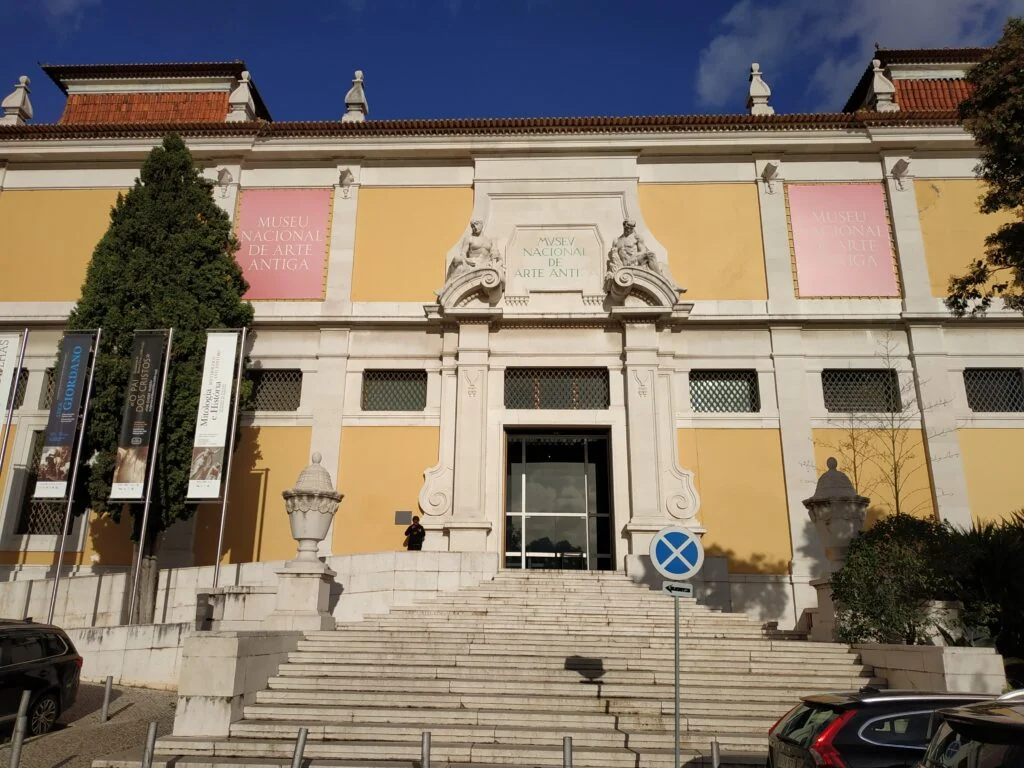
Approaching the Museu Nacional de Arte Antiga, visitors are greeted by the imposing 17th-century Palácio da Alcântara, whose rustic stone façade hints at the historical depth contained within. The building is set in a quiet area close to the Tagus River, offering a serene ambiance somewhat removed from the bustling city center. Its courtyard, often adorned with classical statues and fountains, sets a dignified tone and invites visitors to pause before entering. The museum’s entrance is discreet yet welcoming, with clear signage directing guests inside. Surrounding the museum, well-maintained gardens contribute a tranquil setting that contrasts with Lisbon’s urban energy. The museum’s location, while slightly off the conventional tourist trail, rewards those who seek it out with an atmosphere of calm and scholarly intent.
Inside, the initial galleries immediately emphasize the museum's chronological and thematic layout. These first impressions are enhanced by the spacious, well-lit rooms, which employ high ceilings and tasteful lighting to celebrate the artworks without overwhelming them. The careful curation ensures an intuitive flow from Medieval periods through Renaissance and Baroque eras, guiding visitors deeper into Portugal’s and Europe’s artistic evolution.
Highlights and Key Exhibitions
The Museu Nacional de Arte Antiga’s collection is notable for its breadth and quality, encompassing roughly 40,000 objects with a strong focus on painting, sculpture, and decorative arts. One cannot omit the museum’s prized painting collection, which includes masterpieces by European luminaries such as Hieronymus Bosch. Bosch’s enigmatic and intricate works reveal theological narratives bursting with symbolism, underscoring the museum’s capacity to present art that is both visually stunning and intellectually challenging.
Portuguese art takes center stage, with the museum boasting an impressive array of works that chart the country’s artistic development. Paintings from the Portuguese Renaissance, including works by artists like Nuno Gonçalves, capture the distinctive regional craftsmanship and thematic concerns of the era. Moreover, the museum mounts important works by Josefa de Óbidos, a key figure among female artists in the 17th century, showcasing gender diversity in an often male-dominated artistic history.
The department of sculpture and decorative arts enhances the museum’s narrative by providing three-dimensional context. Gothic altarpieces, intricately carved ivory pieces, and exquisite tapestries emphasize the cultural and religious influences permeating Portuguese society over several centuries. Japanese folding screens and Islamic art pieces, among others, highlight Portugal’s maritime trade legacy, depicting the flow of ideas and aesthetics across continents.
Additionally, the museum’s numismatic collection and arms and armor section stand out for their detailed craftsmanship and historical significance, drawing connections between artistic beauty and utility across time.
Visitor Experience
The Museu Nacional de Arte Antiga excels in combining educational purpose with aesthetic pleasure. The museum employs clear and informative labels in multiple languages, ensuring accessibility to an international audience without detracting from the immersive atmosphere. Audioguides and printed guides supplement the visitor experience, providing context that enhances understanding of the often complex historical and iconographic backgrounds of the artworks.
Spatially, the museum is organized in a logical progression that accommodates visitors interested in both comprehensive tours and more focused explorations. The lighting and climate control conditions generally maintain the integrity of the pieces while supporting prolonged viewing comfort. The furniture and seating areas placed strategically throughout allow visitors moments of rest and contemplation, facilitating a less hurried experience.
One minor area for improvement relates to the signage within the building, which occasionally can be minimalistic, requiring visitors to be more attentive to the floor plan to avoid missing sections. Nevertheless, the museum staff is reputed to be knowledgeable and courteous, enhancing the overall sense of welcome and guidance.
The museum shop offers a carefully curated range of publications and art reproductions, useful for those who wish to deepen their engagement with the collection or bring home educational materials.
Tickets, Access, and Planning
Planning a visit to the Museu Nacional de Arte Antiga is relatively straightforward. The institution operates on a ticketed entry system, with prices reflecting the museum’s stature and including concessions for students, seniors, and groups. Admission is typically free on certain days, which the museum publicizes for tourist and resident access. Purchasing tickets online in advance is advisable, particularly during high tourist seasons, to avoid long queues.
Accessibility features are commendable. The building provides wheelchair access through ramps and lifts, albeit within the constraints of the historical structure. The museum’s layout allows visitors with mobility challenges to explore the majority of the galleries comfortably. Adequate restroom facilities and seating are also available throughout the venue. Public transportation links are efficient, with tram and bus stops located within walking distance, while parking options are somewhat limited near the museum, recommending the use of public or alternative transports.
The museum’s official website offers detailed visitor information, including opening hours, guided tour schedules, and educational programming for schools and families, aiding effective trip planning.
Final Verdict
The Museu Nacional de Arte Antiga stands as a compelling destination for those interested in the profound historical narratives told through art. It balances national pride with international significance, presenting a collection that reflects Portugal’s unique cultural position alongside broader European and global artistic trends. The richness and diversity of the exhibits make it a valuable asset not only for scholars and art lovers but also for casual visitors seeking to engage deeply with centuries of artistic heritage.
While the museum’s setting and some navigational details could benefit from minor enhancements, its commitment to conservation, education, and accessibility is evident throughout. The thoughtful presentation and generous chronological span allow visitors to appreciate the shifting styles, techniques, and societal values shaping art from medieval sacred themes to more secular and global influences.
Overall, the Museu Nacional de Arte Antiga offers a rewarding, intellectually stimulating experience that complements Lisbon’s vibrant cultural landscape. It is a must-visit institution for anyone aiming to understand Portugal’s past and its artistic reflections on a global stage.