D-Day Story Review
Military Museums · Portsmouth, United Kingdom. The D-Day Story in Portsmouth, United Kingdom, is a museum dedicated to preserving and interpreting one of the most pivotal moments in modern history—the Allied invasion of Normandy on June 6, 1944. This operation,…
Military Museums · Portsmouth, United Kingdom. The D-Day Story in Portsmouth, United Kingdom, is a museum dedicated to preserving and interpreting one of the most pivotal moments in modern history—the Allied invasion of Normandy on June 6, 1944. This operation,…
Best forMaritime history, ships, harbour heritage
Review focusCollection, setting, visitor experience
Historical Context
The D-Day Story in Portsmouth, United Kingdom, is a museum dedicated to preserving and interpreting one of the most pivotal moments in modern history—the Allied invasion of Normandy on June 6, 1944. This operation, commonly known as D-Day, marked a decisive turning point in World War II, initiating the liberation of Western Europe from Nazi occupation. Portsmouth, with its maritime heritage and proximity to embarkation points used during the invasion, serves as a fitting location for a museum that both commemorates and educates about the immense logistical efforts, strategic planning, and human courage that made D-Day possible. The museum's narrative extends beyond the invasion itself to highlight the broader context of the war, including the buildup to the operation and its profound consequences for military tactics and international relations. By focusing on both the men and women involved and the technology and strategy behind the landings, the D-Day Story offers a comprehensive reflection on the complexity and significance of this historic event.
What You See on Arrival
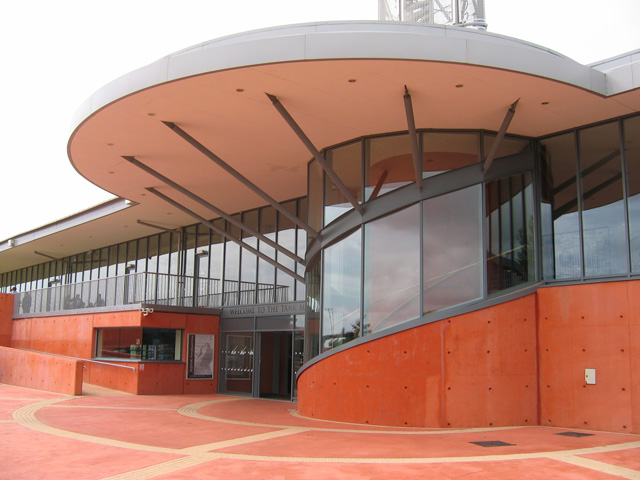
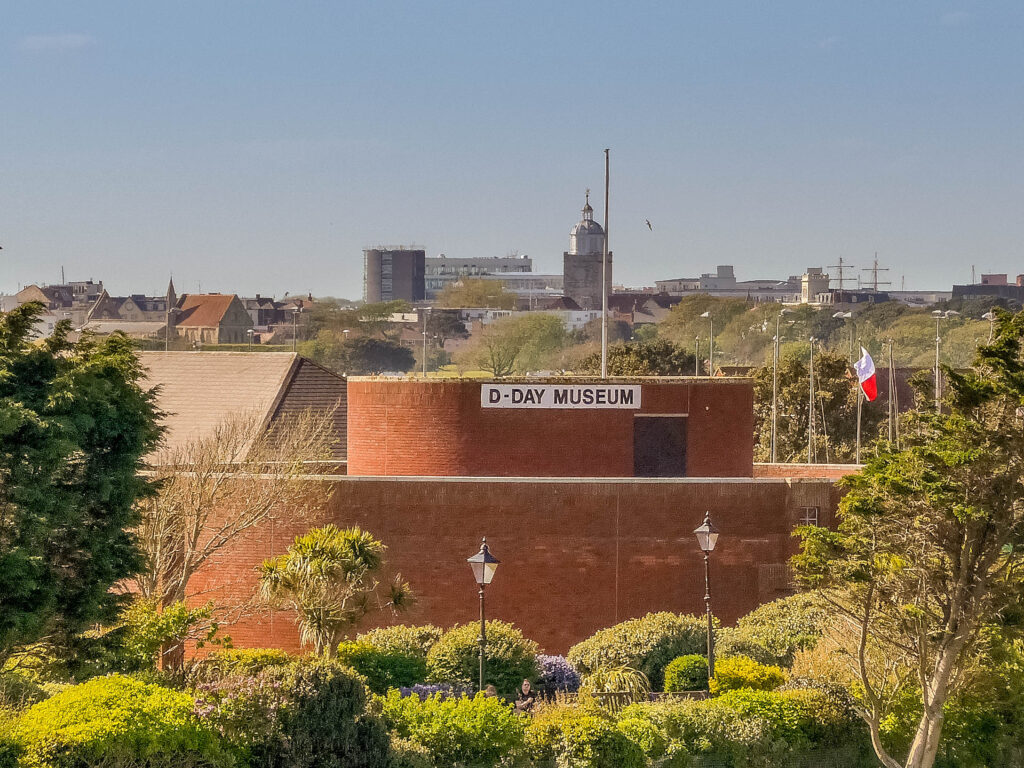
Upon approaching the D-Day Story, visitors encounter a visually modest exterior tucked within a busy section of Portsmouth near the historic naval docks. The building is unobtrusive yet respectful, designed to blend seamlessly with the surrounding maritime environment. Immediately noticeable is the attraction’s proximity to the water, reinforcing the connection to the original embarkation points used during the 1944 invasion. While the façade does not boast grandeur, it effectively sets a tone of solemn remembrance and educational focus. Outside the museum, several plaques and markers provide context, offering initial insights and emphasizing the importance of this site within the larger tapestry of wartime history. The entrance itself is welcoming and straightforward, lacking unnecessary embellishment, which aligns well with the museum's focus on authenticity and factual representation rather than spectacle.
Highlights and Key Exhibitions
Inside, the D-Day Story delivers a robust collection of air, sea, and land military artifacts, personal stories, and multimedia presentations. One of the central draws is the display of the authentic Landing Craft Tank (LCT) 7074. This vessel, which participated in the invasion, is a tangible and rare survivor from D-Day, uniquely preserved to offer a visceral connection to the operation. Visitors can explore its decks and interior, gaining insights into the cramped, hazardous conditions faced by troops during the crossing.
The museum also features an extensive array of uniforms, weapons, and equipment used by Allied forces. These objects are complemented by photographs, letters, and diaries, providing individualized narratives that humanize the scale of the operation. The use of audio-visual installations helps to contextualize the strategic challenges and innovations synonymous with D-Day. Additionally, well-curated models and maps illustrate the geographical complexity of the Normandy landings, detailing the coordination required across multiple military branches and nations.
A particularly commendable section is the focus on the contributions of the engineers and support personnel, often overshadowed in typical war narratives. The D-Day Story places this dimension front and center, highlighting specialized vehicles, demolition equipment, and communications technology that enabled the invasion’s success. This approach broadens understanding beyond frontline combat to emphasize the holistic nature of wartime efforts.
Visitor Experience
The D-Day Story unfolds as a carefully paced educational journey, balancing informative displays with immersive elements. The layout is organized logically, guiding visitors through thematic zones that mirror the planning, execution, and aftermath of D-Day. Signage is clear and professionally presented, supplemented by accessible multimedia guides that cater to different learning preferences. Although some of the interpretative displays rely on text-heavy panels, they are interspersed with engaging artifacts and interactive elements that alleviate the risk of monotony.
The museum provides a respectful atmosphere, suited to the gravity of the subject matter. The tone is sober rather than sensationalized, which helps maintain the dignity of those remembered. Throughout the museum, the storytelling incorporates a range of perspectives, including Allied soldiers from various countries, civilian participants, and even enemy viewpoints, fostering a nuanced appreciation of the complexities involved.
For younger audiences and families, the museum offers tailored educational resources and activity trails, although some parents may find limited hands-on experiences compared to larger, more commercial history attractions. Nevertheless, the presence of the LCT 7074 alone presents a captivating highlight for all age groups.
Staff members are generally well-informed and helpful, enhancing the visitor experience with additional context where required. The museum environment is clean and well-maintained, though some areas could benefit from updates in display technology to align with modern museum standards.
Tickets, Access, and Planning
Ticket pricing for the D-Day Story is reasonable when compared to similar specialist military history museums in the UK. Concessions are available, including for seniors, students, and families, making it an accessible option for a wide audience. The museum encourages advance booking through its official website, which also provides detailed visitor information and current opening times.
In terms of accessibility, the D-Day Story accommodates visitors with mobility challenges through the provision of ramps and lift access where possible, although the historic nature of the landing craft exhibit may impose some limitations for wheelchair users. Facilities such as restrooms and seating areas are adequate, ensuring comfort during the visit.
The location in Portsmouth benefits from good public transport links, with nearby bus stops and train stations connected to the city center. Ample parking is available for those traveling by car. The museum’s proximity to other maritime and military attractions in Portsmouth, including the historic dockyards, offers opportunities for a more extensive day of exploration.
Final Verdict
The D-Day Story stands as a significant and commendable museum dedicated to one of the most consequential military operations of the 20th century. Its strength lies in its commitment to authenticity, educational depth, and respectful remembrance. The presence of the LCT 7074 alone justifies a visit, providing a rare and powerful tangible link to the historic events of June 1944.
While it may not compete with larger institutions in terms of interactive technology or scale, the museum’s focused approach and well-curated collections deliver a rewarding experience for those interested in military history, World War II, and the human stories behind warfare. It serves not only as a remembrance site but also as a place for reflection on strategic innovation, human endurance, and the complexities of Allied cooperation during the war.
Visitors planning a trip should allocate a few hours to fully absorb the exhibits and consider exploring the broader Portsmouth area, which enriches the context of the D-Day Story. Overall, it is an essential destination for anyone wishing to deepen their understanding of D-Day’s legacy and the extraordinary efforts that made it possible.