Bergen-Belsen Memorial Review
Memorial Museums · Lohheide, Germany. The Bergen-Belsen Memorial stands as a solemn testament to the harrowing events of World War II and the atrocities committed during the Holocaust. Located in Lohheide, Germany, this site was once the location of…
Memorial Museums · Lohheide, Germany. The Bergen-Belsen Memorial stands as a solemn testament to the harrowing events of World War II and the atrocities committed during the Holocaust. Located in Lohheide, Germany, this site was once the location of…
Best forScience, technology, hands-on learning
Review focusExhibits, interpretation, visitor flow
Historical Context
The Bergen-Belsen Memorial stands as a solemn testament to the harrowing events of World War II and the atrocities committed during the Holocaust. Located in Lohheide, Germany, this site was once the location of the Bergen-Belsen concentration camp, where tens of thousands of individuals suffered unimaginable conditions and many ultimately perished. Originally established as a prisoner of war camp in 1940, it was later transformed into a concentration camp in 1943. Bergen-Belsen became particularly notable in 1945 when the British Army liberated the camp, discovering thousands of emaciated survivors alongside the remains of countless victims. Among the camp’s most renowned prisoners was Anne Frank, whose diary remains one of the most poignant records of the Holocaust.
Today, the memorial does not only preserve the physical space but also serves as a place for education, reflection, and remembrance, ensuring that the lessons and horrors of the past endure in public consciousness. The site highlights the human cost of bigotry, war, and hate, encouraging visitors to engage deeply with history and its ongoing significance in contemporary society.
What You See on Arrival
Upon approaching the Bergen-Belsen Memorial, visitors are met by a landscape that is at once stark and contemplative. The memorial’s design is minimalist, intentionally avoiding grandiosity to solemnly reflect the gravity of the site’s history. The grounds retain aspects of the original camp layout with markers indicating the positions of barracks, trenches, and mass graves. Paths wind through grassy stretches and clusters of young trees, which offer a subdued, respectful atmosphere for visitors to absorb the weight of what unfolded here.
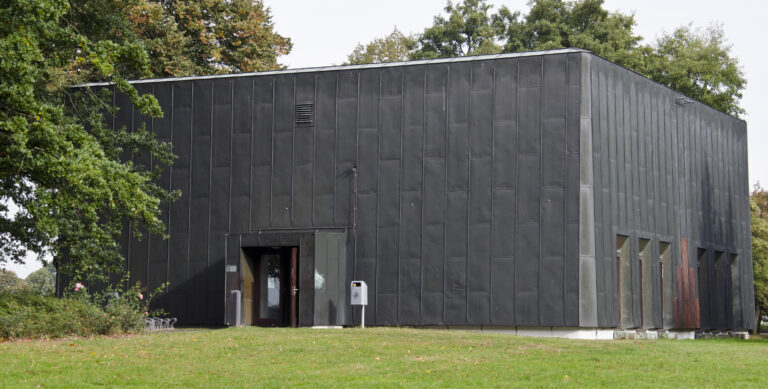
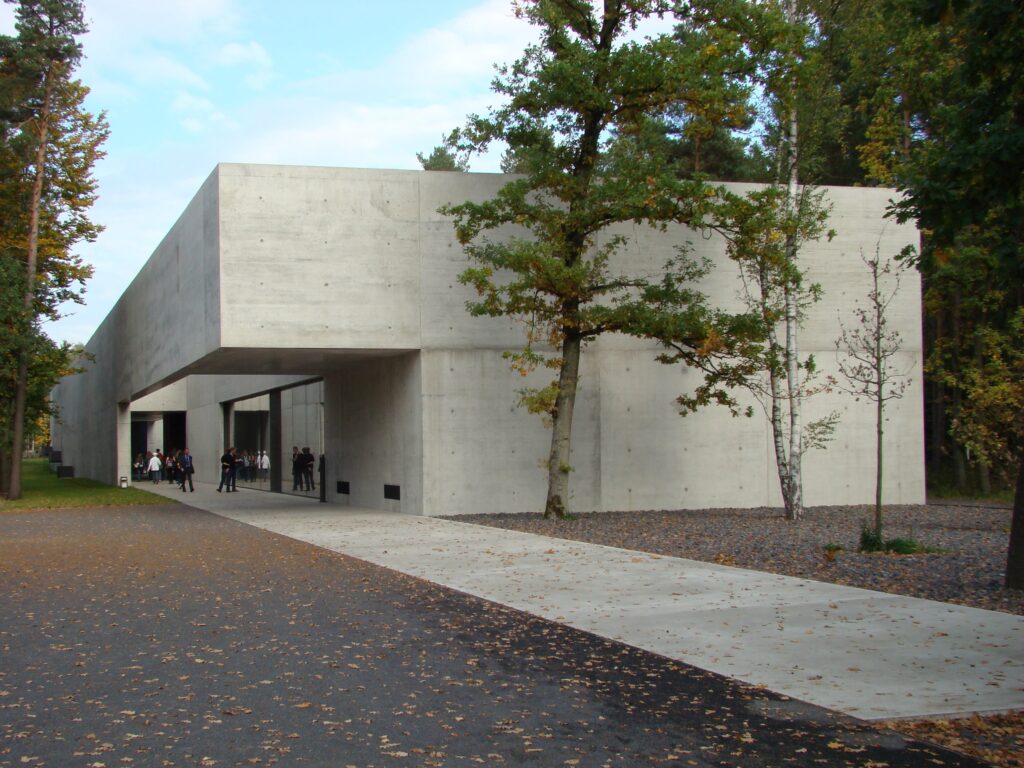
The entrance area features a visitor center with a modern façade that discreetly contrasts with the weighty narrative contained within. Long lines of stones and plaques provide initial context, while information boards and photographs introduce the camp's chilling history. The open terrain, punctuated with several memorial sculptures and commemorative elements, sets an immediate tone of respect and remembrance before moving inside for further exploration.
Highlights and Key Exhibitions
The memorial’s exhibitions are meticulously curated to provide multifaceted insights into the camp’s history, the experiences of its prisoners, and the broader implications of the Holocaust. One of the core strengths is the balance between historical documentation and personal stories, which strengthens the emotional impact on visitors.
Detailed displays include archival photographs, records, and documents that trace the transformation of Bergen-Belsen over its operational years. Personal belongings of prisoners, recovered artifacts, and reconstructed objects offer tangible connections to the individuals who endured the camp’s harsh conditions. These pieces humanize the historical narrative, emphasizing the lives affected rather than abstract statistics alone.
Central to the memorial’s exhibition is the narrative surrounding the camp’s liberation in April 1945, including harrowing accounts from liberating soldiers and survivors. This component not only recounts the horrors found at the camp but also addresses the immediate post-liberation efforts and challenges. Exhibits also explore the camp’s legacy in post-war memory and historical discourse, presenting visitors with multiple perspectives on how Bergen-Belsen has been commemorated and studied over the decades.
Visitor Experience
The Bergen-Belsen Memorial offers a deeply reflective and respectfully restrained visitor experience. Appropriate for visitors of varying ages, the site’s educational approach ensures a powerful yet considerate engagement with sensitive subject matter. The layout encourages slow movement through the space, allowing time for contemplation without pressure to rush.
Explanatory texts are provided in multiple languages, making the memorial accessible to international visitors while maintaining the integrity of original documents and testimonies. The staff is generally knowledgeable and prepared to answer questions, providing guided tours and educational programs on request, adding layers of interpretation that enrich the visit.
The atmosphere is quiet and meditative, with subtle audio guides available for a more self-directed experience. The outdoor setting, combined with the solemn indoor exhibitions, creates a comprehensive understanding of the camp's multifaceted history. However, visitors should be prepared for emotionally intense content, as the exhibition does not shy away from depicting the brutal realities faced by prisoners.
Tickets, Access, and Planning
Access to the Bergen-Belsen Memorial is straightforward, although it is helpful to plan a visit well in advance. The location in Lohheide is somewhat rural, so private car or organized transport is recommended. Public transport options reach the area but require coordination and potentially lengthy travel times from major cities. Parking facilities are available for those arriving by car.
Admission to the memorial is generally free of charge, underscoring its mission to provide open access to this important historical site. Donations are welcome to support ongoing preservation, educational efforts, and exhibition development. Visitors are advised to check available opening hours on the official website, especially since weather and special commemorative events can affect accessibility.
Facilities on-site include restrooms, a small café, and a bookstore offering publications on the Holocaust, World War II history, and the Bergen-Belsen camp itself. These resources enable visitors to extend their learning beyond the physical site. Accessibility measures for visitors with disabilities are in place but may require confirmation beforehand to ensure a smooth visit.
Final Verdict
The Bergen-Belsen Memorial stands as an essential and profoundly moving site that confronts visitors with the stark realities of one of the darkest chapters of modern history. Its strength lies in presenting an unembellished, factual account supported by personal narratives that evoke empathy and remorse. The carefully preserved terrain, combined with thoughtful museum installations, provides a setting where historical memory and education converge effectively.
While the emotional weight of the subject matter can be challenging, the memorial’s restrained design and comprehensive exhibitions facilitate a meaningful encounter with history. Its accessibility measures and multilingual support broaden its reach, ensuring the memorial’s lessons touch a global audience. Although its remote location demands some logistical planning, the experience offered justifies the effort for those seeking an in-depth understanding of the Holocaust through a site of genuine historic significance.
Ultimately, Bergen-Belsen is not merely a place for remembrance but a vital resource for education on the consequences of prejudice and intolerance. It invites reflection on the past and encourages vigilance against hatred in any form. For historians, educators, students, and the general public alike, the memorial is a powerful reminder of the enduring human cost of bigotry and the importance of never forgetting.