Neuengamme Concentration Camp Memorial Review
Memorial Museums · Hamburg, Germany. The Neuengamme Concentration Camp Memorial stands as a solemn testament to one of the darkest chapters in human history, located in Hamburg, Germany. Established in 1938, Neuengamme was primarily a labor camp operated by…
Memorial Museums · Hamburg, Germany. The Neuengamme Concentration Camp Memorial stands as a solemn testament to one of the darkest chapters in human history, located in Hamburg, Germany. Established in 1938, Neuengamme was primarily a labor camp operated by…
Best forScience, technology, hands-on learning
Review focusExhibits, interpretation, visitor flow
Historical Context
The Neuengamme Concentration Camp Memorial stands as a solemn testament to one of the darkest chapters in human history, located in Hamburg, Germany. Established in 1938, Neuengamme was primarily a labor camp operated by the Nazi regime, where tens of thousands of prisoners endured forced labor, brutal conditions, and inhumane treatment. Over its operational years, the camp became one of the largest in the German Reich, with numerous subcamps dispersed across northern Germany. Prisoners included political detainees, resistance fighters, Jews, Roma, and other marginalized groups. After liberation in 1945, the site transitioned from a place of suffering to a space dedicated to remembrance, research, and education. The memorial today serves not only to honor the victims but also to confront the atrocities committed and to foster reflection on human rights, remembrance, and the responsibilities of society to prevent such tragedies. Its historical significance is profound, representing not just local but global lessons on the consequences of hate and totalitarianism.
What You See on Arrival
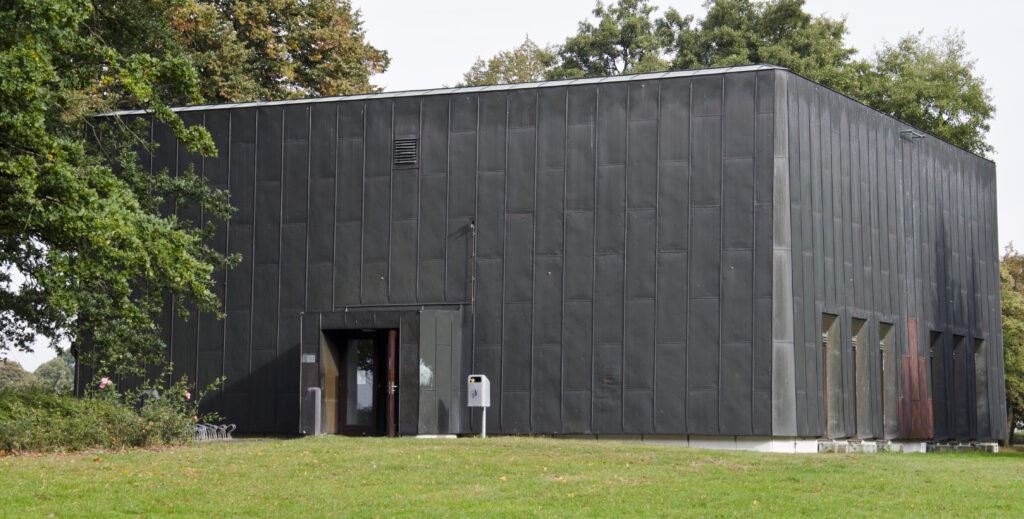
The approach to the Neuengamme Concentration Camp Memorial is marked by a striking contrast between the serene surroundings and the weighty history it represents. The grounds are expansive and well-maintained, with paths leading visitors through various preserved structures and restored buildings. On arrival, the authentic atmosphere evokes a somber mood. Visitors encounter remnants of original camp architecture, including administrative buildings, prisoner barracks, and imposing watchtowers, some reconstructed to give a clearer understanding of the camp’s layout and scale. The memorial area is characterized by austere minimalism, steering clear of embellishments to maintain respect for the gravity of the site. A central feature near the entrance includes the iconic brick prison block and remnants of the crematorium, which underscore the camp’s grim function. Informational panels and signage are thoughtfully positioned to guide visitors as they begin to explore the complex, providing essential context before deeper engagement.
Highlights and Key Exhibitions
At the heart of the Neuengamme Memorial's educational mission lies a permanent exhibition situated within the former administration building. This exhibition effectively chronicles the camp’s complex history, from its establishment and the daily realities of prisoners to the broader political and social framework of the Nazi regime. The presentation is thorough yet sensibly curated, combining photographs, personal testimonies, documents, and original artifacts. This multifaceted approach enriches visitors’ understanding of the camp’s role in the broader network of Nazi concentration camps. Another highlight is the reconstructed prisoner barracks, where the sparse, harsh living conditions are powerfully conveyed through utilitarian design and interpretive displays. The memorial’s outdoor areas feature carefully preserved sections of the camp infrastructure, including railway tracks and remnants of quarantine zones, which serve as powerful physical reminders of the transporting and containment processes. Additional elements, such as sculptures and commemorative plaques, are interspersed throughout the grounds, creating an atmosphere of reflection and remembrance. While the overall narrative is clear and respectful, some visitors might find the exhibition’s reliance on textual information somewhat dense, suggesting the need for a measured pace when engaging with the material.
Visitor Experience
The experience at Neuengamme Concentration Camp Memorial is deeply moving and thought-provoking, demanding a respectful and reflective mindset. The layout of the site encourages a chronological and thematic exploration, allowing visitors to internalize the historical context before delving into specific aspects of camp life and its aftermath. The memorial maintains a balance between solemnity and accessibility, refraining from graphic sensationalism yet conveying the horror and human suffering effectively. Guided tours are available and highly recommended, as knowledgeable guides provide valuable insights and answer questions that enhance understanding. For independent visitors, audio guides and detailed informational materials are offered to supplement the exhibition content. The memorial’s contemplative atmosphere is supported by quiet outdoor spaces where visitors can pause and reflect. However, given the weight of the subject matter and the detailed historical content, the visit can be emotionally intense, and the site responsibly provides spaces for visitors to take a break. Staff are generally attentive and sensitive, contributing to an environment where respectful engagement is encouraged.
Tickets, Access, and Planning
Access to the Neuengamme Concentration Camp Memorial is straightforward, although visitors should plan ahead to make the most of their experience. The memorial is located approximately 15 kilometers southeast of Hamburg city center, accessible via public transportation and taxi services. Clear signage and transport information are available on the official website, helping visitors coordinate their journeys. Admission to the memorial is typically free, aligning with its educational and commemorative purpose, though donations are encouraged to support ongoing preservation and programming efforts. Opening hours are regular but may vary seasonally or due to special events, so checking the schedule in advance is advisable. Facilities at the site include a visitor center with restrooms, a small café, and a gift shop offering literature and memorabilia focused on the camp’s history and Holocaust education. Accessibility features are in place, with ramps, marked paths, and support services to accommodate visitors with mobility challenges. However, some of the outdoor paths can be uneven, so comfortable walking shoes are recommended. Visitors are encouraged to allocate several hours for a comprehensive visit due to the extensive grounds and detailed exhibitions.
Final Verdict
The Neuengamme Concentration Camp Memorial represents a profound and necessary institution committed to preserving the memory of those who suffered under Nazi oppression. It stands not only as a historical site but as an educational beacon, urging contemporary society to confront and remember the consequences of hatred and injustice. The memorial’s combination of preserved original structures, thoughtfully curated exhibitions, and reflective spaces provides a powerful narrative that is both informative and emotionally resonant. While the material is inevitably heavy and can be challenging to engage with, the site manages to maintain dignity and respect, avoiding sensationalism while ensuring that visitors understand the depth of the atrocity. Ideal for those with an interest in history, human rights, and Holocaust studies, Neuengamme offers a vital encounter with the past that fosters understanding and remembrance. For visitors to Hamburg, it is a meaningful destination that complements the city’s broader historical and cultural landscape, though it demands serious contemplation and time to fully absorb its significance.