
Camp Vught National Memorial Review
Memorial Museums · Vught, Netherlands. The Camp Vught National Memorial, located in Vught, Netherlands, is a poignant and sobering site that preserves the memory of one of the few concentration camps established on Dutch soil during World War II.…
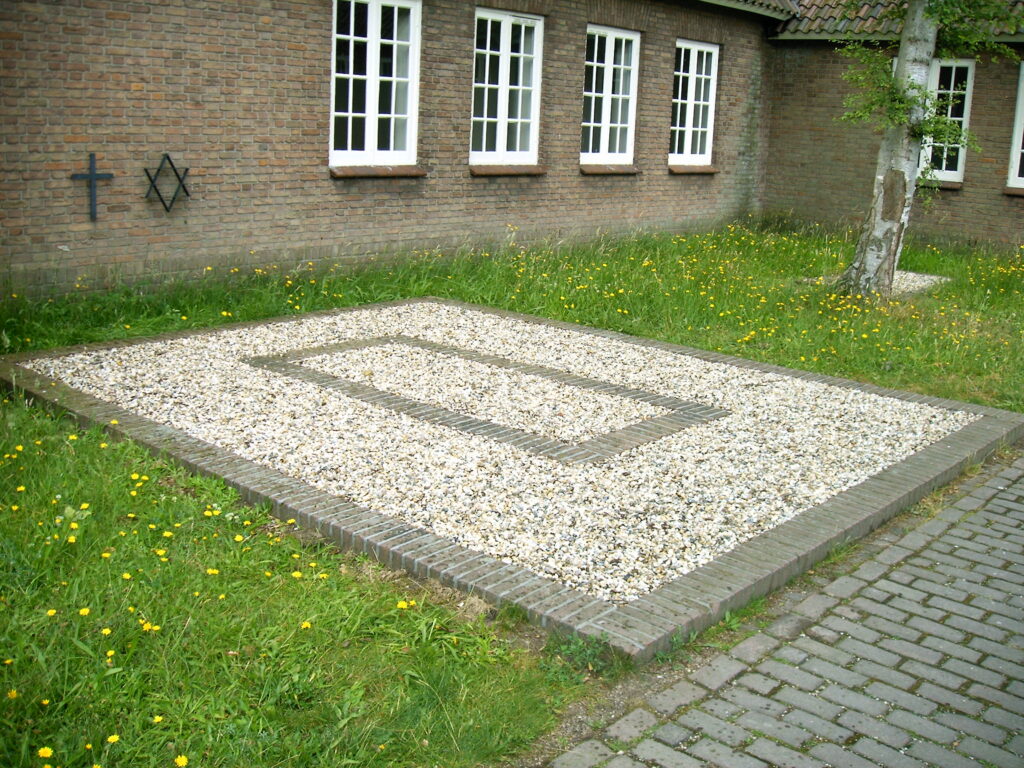
Memorial Museums · Vught, Netherlands. The Camp Vught National Memorial, located in Vught, Netherlands, is a poignant and sobering site that preserves the memory of one of the few concentration camps established on Dutch soil during World War II.…
Best forScience, technology, hands-on learning
Review focusExhibits, interpretation, visitor flow
Historical Context
The Camp Vught National Memorial, located in Vught, Netherlands, is a poignant and sobering site that preserves the memory of one of the few concentration camps established on Dutch soil during World War II. Originally constructed by the Nazi regime in 1943, the camp functioned primarily as a detention and transit facility for political prisoners, resistance fighters, Jews, Roma, and other marginalized groups before many were deported to extermination camps in eastern Europe. The camp's tragic history is interwoven with the broader narrative of Dutch suffering and resistance during the German occupation, as well as the systematic persecution orchestrated by the Nazis across Europe. Today, the site serves not only as a memorial to the victims but as a powerful educational center dedicated to fostering awareness about the devastating consequences of intolerance, hatred, and totalitarian rule. The museum plays a vital role in connecting past atrocities with contemporary human rights issues, providing significant context for visitors seeking to comprehend this dark chapter in both national and global history.
What You See on Arrival
Approaching the Camp Vught National Memorial, visitors are immediately struck by the solemn atmosphere that surrounds the site. The precise, minimalist entrance design reflects the grave nature of the location, setting a contemplative tone before entering the main grounds. The preserved perimeter fencing and guard towers, along with original barracks and administrative buildings, create an authentic impression of the camp's operational reality during the war. Nearby, a visitor center provides an introduction to the site with informative signage and a modest courtyard, inviting reflection. The surrounding landscape, both strikingly flat and somber, emphasizes a sense of isolation, reinforcing the camp’s historical function as a place of confinement and suffering. The entrance area is deliberately understated, allowing the historical weight of the site itself to guide visitors into the experience without distraction.
Highlights and Key Exhibitions
The museum features a core permanent exhibition that thoughtfully charts the history and impact of Camp Vught. Through an array of carefully curated artifacts, photographs, personal testimonies, and multimedia displays, the exhibition conveys the complex narratives of those interned there. One notable highlight is the exhibition recounting the stories of resistance within the camp walls, revealing moments of courage amid the oppression. Detailed accounts of daily life provide visitors with insights into the brutal conditions, the oppressive regime, and the resilience of the prisoners. The preservation of various physical structures, including a gas chamber and execution sites, offers a stark and haunting dimension to the exhibit, making it more than an abstract recounting of history. Additionally, the memorial itself—a quiet, reflective space within the complex—provides a place for visitors to honor the victims through contemplative engagement with the site’s history.
Alongside the historical exhibitions, the museum places strong emphasis on educational outreach, underscoring the broader human rights implications connected to the camp’s legacy. The integration of survivor testimonies, both oral and recorded, adds a deeply personal layer to the narrative, helping to humanize the historical facts and figures. The museum’s didactic approach supports a nuanced understanding of the time period, encouraging visitors to consider the ethical and moral questions raised by the history of Camp Vught. The material exhibits are generally presented in Dutch, with sufficient English translations to accommodate international visitors, though some may find parts of the exhibition more detailed in the local language.
Visitor Experience
The overall visitor experience at Camp Vught National Memorial is designed with respect and sensitivity, ensuring that the historical gravity of the site is maintained throughout the visit. Upon entry, visitors are provided with leaflets and audio guides, which enrich the experience by offering contextual information and survivor accounts. The layout encourages a chronological journey through the camp’s history, allowing a gradual emotional immersion that builds understanding. Educational staff and guides are generally available to support inquiry and add depth to the exploration, especially for school groups and community visits. The atmosphere is notably reflective rather than celebratory, which is appropriate given the somber subject matter. It is important for visitors to prepare for an emotionally challenging experience, as the exhibits do not shy away from confronting the harsh realities endured by the prisoners.
Practical aspects of the visit are streamlined, with clear signage and well-maintained grounds making navigation straightforward. Accessibility for visitors with mobility challenges is thoughtfully considered, although some parts of the original camp structures, due to their historic preservation, may present minor physical difficulties. Photography is allowed in certain areas but is restricted in spaces where respect for the memory of victims is paramount. The museum’s educational programming and outreach activities emphasize dialogue and remembrance, providing additional layers of visitor engagement beyond the static displays.
Tickets, Access, and Planning
Entrance to the Camp Vught National Memorial usually requires the purchase of a ticket, though concessions for children, seniors, and groups help ensure accessibility. It is advisable to check the museum’s official website for the most current ticket prices, opening hours, and any special guidelines, particularly as certain times of year may see adjustments due to commemorative events. Online booking options are available, which can help visitors avoid queues during peak periods. The museum is situated approximately 10 kilometers from the city center of ’s-Hertogenbosch, and is accessible via public transport and car. Parking facilities are available, though simply using public transport is encouraged for convenience and environmental considerations.
For international visitors, the location may require a short onward journey from major Dutch cities such as Amsterdam or Eindhoven, making it suitable for day trips. Detailed visitor information is provided online, including directions, access for disabled visitors, and dining options nearby. Given the serious nature of the content, group visits—especially school parties—are encouraged to book ahead to ensure availability of guides and tailored educational resources. The museum does not generally host large-scale events but may participate in national remembrance days and other commemorations.
Final Verdict
Camp Vught National Memorial is an essential destination for anyone interested in understanding the complexities and consequences of Nazi occupation in the Netherlands and the broader tragedy of the Holocaust. It combines meticulous historical preservation with a sensitive, educational approach that respects the memory of victims while promoting critical reflection. While the experience is inevitably emotionally weighty, it is also profoundly important and enlightening, fostering historical awareness and empathy. Visitors should be prepared for a somber and reflective atmosphere, supported by well-crafted exhibitions and thoughtfully preserved physical reminders of the camp’s dark past.
The museum’s educational orientation, combined with the authenticity of surviving camp structures, makes it a unique place for learning and remembrance. Though it may not offer the breadth of rotating temporary exhibitions that some larger institutions provide, the focus on in-depth, permanent displays allows for a deep, uninterrupted engagement with the site’s history. Access and visitor facilities are generally good, though some practical considerations such as language coverage and mobility should be noted. Overall, Camp Vught National Memorial stands as a crucial institution in the Netherlands’ cultural landscape, holding fast to the imperative that the atrocities of the past must not be forgotten.



