Kigali Genocide Memorial Review
Memorial Museums · Kigali, Rwanda. The Kigali Genocide Memorial stands as a solemn and essential institution dedicated to commemorating the tragic events of the 1994 Rwandan genocide, during which an estimated 800,000 people, predominantly Tutsi civilians, were systematically sl…
Memorial Museums · Kigali, Rwanda. The Kigali Genocide Memorial stands as a solemn and essential institution dedicated to commemorating the tragic events of the 1994 Rwandan genocide, during which an estimated 800,000 people, predominantly Tutsi civilians, were systematically sl…
Best forScience, technology, hands-on learning
Review focusExhibits, interpretation, visitor flow
Historical Context
The Kigali Genocide Memorial stands as a solemn and essential institution dedicated to commemorating the tragic events of the 1994 Rwandan genocide, during which an estimated 800,000 people, predominantly Tutsi civilians, were systematically slaughtered over the course of approximately one hundred days. Situated in the capital city of Kigali, the memorial occupies the site of a former mass grave and serves both as a burial ground and a poignant educational center. It was established not only to honor the victims but also to promote peace, reconciliation, and human rights awareness within Rwanda and internationally. The memorial has become a vital resource for understanding one of the most horrific chapters in contemporary human history, providing detailed documentation and personal narratives that confront the realities of ethnic violence, genocide, and the subsequent process of healing. Its significance is deeply tied to Rwanda’s national identity and its ongoing efforts to rebuild and unite a nation fractured by violence.
What You See on Arrival
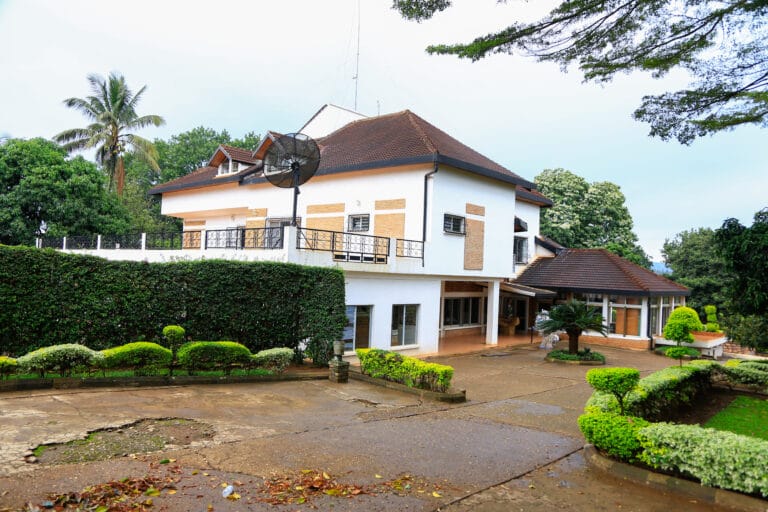
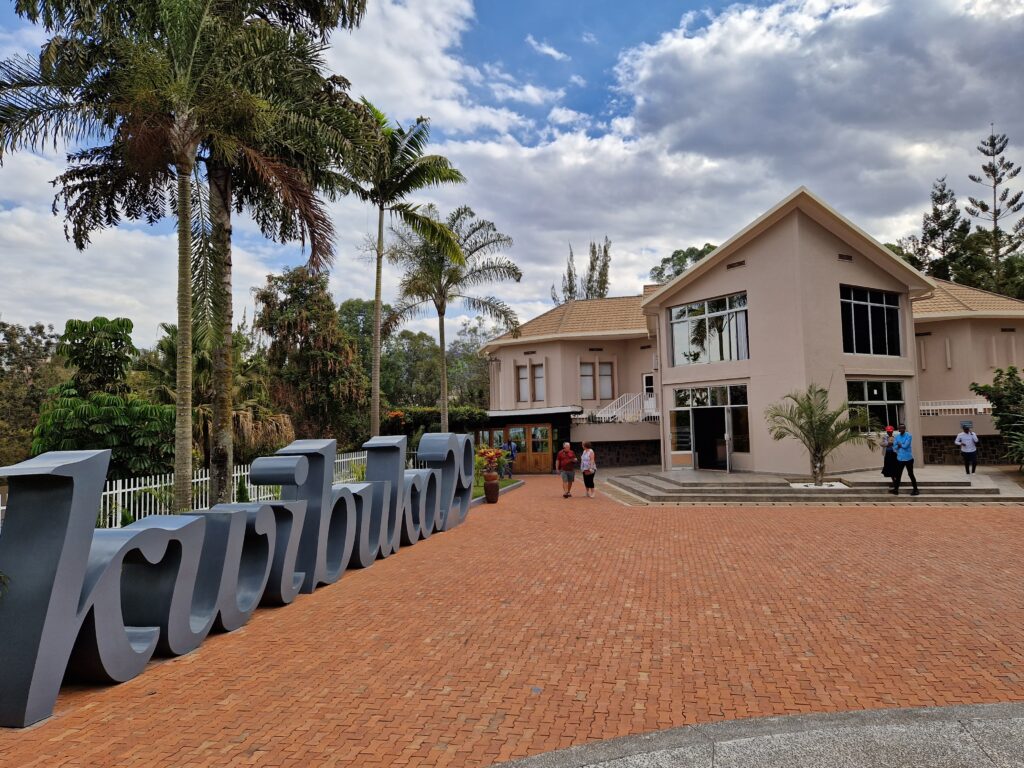
Approaching the Kigali Genocide Memorial, visitors are immediately confronted with an atmosphere of quiet reverence, reinforced by the somber architecture and well-maintained gardens surrounding the site. The exterior of the memorial is modest, characterized by earthy tones and simple, functional design that eschews grandeur, in keeping with the seriousness of the subject matter. As the gateway to the main exhibition spaces, the entrance sets a tone of respect and reflection. The memorial grounds are expansive yet intimate, featuring peaceful green spaces, commemorative sculptures, and plaques that gently introduce visitors to the scale and individual stories behind the genocide. There is a visitor center that welcomes individuals and groups, providing educational materials and guiding visitors towards the exhibition halls and mass graves that lie beyond. The grounds are carefully curated to encourage contemplation and remembrance amid natural surroundings, blending culture, history, and memorialization.
Highlights and Key Exhibitions
The inner exhibition spaces of the Kigali Genocide Memorial are thoughtfully curated to deliver a comprehensive and deeply moving narrative. The exhibitions are chronological and thematic, tracing the historical roots of ethnic tensions in Rwanda and the political context leading up to 1994. Through the careful use of photographs, documentary films, survivor testimonies, and artifacts—ranging from mundane personal belongings to chilling remnants of the violence—visitors gain insight into both the scale and the human cost of the tragedy.
One of the standout features is the incorporation of powerful oral histories and multimedia presentations that elevate individual voices, allowing survivors and witnesses to recount their experiences. This personal element adds emotional depth to the factual exposition, making the history accessible and profoundly human. The displays also include a section dedicated to the aftermath and ongoing reconciliation efforts, showing how Rwanda has sought justice and healing in the genocide’s wake.
Crucially, the memorial houses the remains of over 250,000 victims in carefully maintained mass graves, adding a grave physical reality to the narrative. A designated area invites visitors to pay respects, reminding all that the tragedy is not just historical but deeply personal and ongoing in memory.
Visitor Experience
The Kigali Genocide Memorial is designed for reflection and education, and this intention is evident in the solemn and respectful visitor experience. The atmosphere is quiet and contemplative, fostering a space where visitors can engage seriously with difficult material. Informative guides and audio tours are available to provide context and assist in navigating the complex history documented in the exhibits. The use of survivor interviews ensures that the experience is not detached or clinical but humanized and impactful.
While emotionally intense, the experience is carefully moderated to avoid overwhelming visitors. Spaces within the memorial offer moments for quiet contemplation or discussion, and the staff are trained to provide sensitive support, particularly for those who may find the content distressing. The memorial also extends its educational mission through workshops and programs aimed at promoting peace and preventing future atrocities.
The balance between academic rigor and emotional content makes the Kigali Genocide Memorial a crucial educational resource for students, scholars, and international visitors alike. Its role as a site of remembrance also makes it a point of pilgrimage for many Rwandans and those connected to the history.
Tickets, Access, and Planning
Access to the Kigali Genocide Memorial is straightforward, with the site located within easy reach of Kigali’s city center. The memorial is equipped to receive a high volume of visitors, including international tourists, school groups, and researchers. Opening hours are consistent, and the visitor center provides clear information, including details on guided tours and educational programs.
Tickets are modestly priced to ensure accessibility, with discounts typically available for students and larger groups. While entries are often available on a walk-in basis, booking in advance is advisable for those seeking guided tours or visits in larger groups, particularly during peak tourist seasons or significant national commemorative periods.
The memorial is also committed to accessibility, offering accommodations for visitors with mobility challenges, including ramps and seating areas throughout the exhibit spaces. Educational materials are available in multiple languages to accommodate international visitors, making the memorial a truly global space for learning about genocide and human rights.
Final Verdict
The Kigali Genocide Memorial emerges as a profoundly important cultural and historical site, offering a powerful and meticulously presented account of the 1994 Rwandan genocide. Balancing academic detail with deeply personal storytelling, it encourages visitors not only to remember the immense human cost of ethnic violence but also to reflect on the broader themes of justice, reconciliation, and the resilience of the human spirit.
While the emotional gravity of the memorial may be challenging, the experience is handled with a respectful, measured tone that facilitates both learning and remembrance. The inclusion of survivor testimonies and the physical presence of mass graves amplify the educational impact, bridging the distance between history and memory.
For those interested in human rights, 20th-century history, and the processes of post-conflict healing, the Kigali Genocide Memorial is an indispensable visit. It stands not only as a tribute to the victims but also as a beacon for ongoing global conversations about preventing genocide and fostering peace. The site’s accessibility, educational resources, and sensitive design underscore its status as a world-class institution, solemn yet hopeful in its mission to educate and commemorate.