National Museum of the United States Air Force Review
Aviation Museums · Dayton, United States. The National Museum of the United States Air Force, located in Dayton, Ohio, stands as a monumental tribute to the rich heritage and technological advancements of the United States Air Force. Established shortly after…

Aviation Museums · Dayton, United States. The National Museum of the United States Air Force, located in Dayton, Ohio, stands as a monumental tribute to the rich heritage and technological advancements of the United States Air Force. Established shortly after…
Best forMasterpieces, architecture, cultural history
Review focusCollection highlights, building, visitor flow
Historical Context
The National Museum of the United States Air Force, located in Dayton, Ohio, stands as a monumental tribute to the rich heritage and technological advancements of the United States Air Force. Established shortly after World War II, the museum has grown to become the largest military aviation museum in the world. It documents more than a century of aviation history, from the earliest days of flight to contemporary aerospace technology. The museum’s development mirrors the evolution of the Air Force itself, reflecting significant periods such as the World Wars, the Cold War, the Space Race, and modern-day military operations. With over 360 aircraft and a vast collection of missiles, artifacts, and related memorabilia, the museum serves not only as a preservation site but also as an educational resource that honors the service and sacrifice of airmen throughout American history.
What You See on Arrival
Visitors to the National Museum of the United States Air Force are greeted by an expansive complex set against an open airfield backdrop. The impressive exterior is marked by several large hangar-style buildings designed to house an extensive and varied collection of aircraft visible through large glass windows. Outdoor exhibits begin immediately with several historically significant aircraft displayed on the lawn near the entrance, including iconic fighters, bombers, and reconnaissance planes. The setting conveys an immediate sense of scale and history that prepares visitors for the immersive experience inside. The museum’s main entrance is welcoming, with clear signage and information points to orient first-time visitors. Nearby amenities such as parking lots and café facilities are conveniently located, offering functionality without detracting from the museum’s aviation atmosphere.
Highlights and Key Exhibitions
The museum boasts a comprehensive range of exhibitions that collectively narrate the story of American military aviation. Among the standout displays is the Presidential Aircraft Gallery, featuring notable planes such as Air Force One models used by several U.S. presidents. This gallery underscores the intersection of technology, history, and politics, providing an intimate look at one of the most visible symbols of U.S. air power.
The WWII Gallery is another cornerstone, housing legendary aircraft like the B-17 Flying Fortress and B-29 Superfortress. The meticulous restoration and authentic presentation of these aircraft offer visitors a palpable connection to the sacrifices and strategies of the war era.
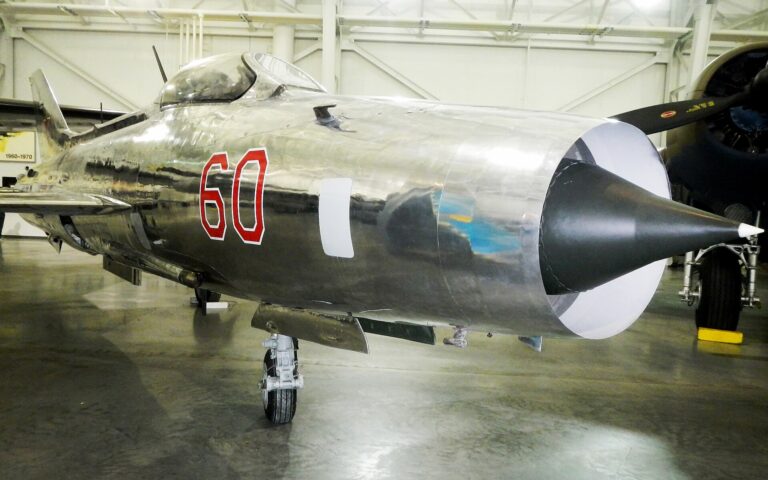
The Cold War Gallery presents aircraft and missiles pivotal during this tense geopolitical period, with exhibits on strategic bombers and reconnaissance planes that emphasize the technological arms race between superpowers. The Space Gallery, adjacent to the Cold War collection, traces the Air Force’s role in aerospace advancements and introduces early satellite and missile tech in a well-curated format.
Beyond aircraft, the museum features numerous smaller exhibits about aircrew life, aviation technology innovations, and the broader societal impacts of air power. The inclusion of diverse multimedia elements, such as video testimonies and interactive displays, enhances these stories. The Medal of Honor exhibit and the Aviation Gallery also stand out for their educational and emotional depth.
Visitor Experience
The National Museum of the United States Air Force is designed to accommodate visitors of varying interests and ages, making it suitable for families, historians, aviation enthusiasts, and casual tourists alike. The layout is intuitive, with clear navigational aids and thematic zones that help visitors embark on a chronological journey through aviation history.
The museum’s staff and volunteers are generally noted for their knowledge and willingness to engage with visitors, offering contextual insights and answering questions that enrich the experience. Audio tours and mobile app content are available for those seeking a self-guided experience, though there is always the option of attending guided tours on certain days, which provide more depth and personal interaction.
Interpretive signage throughout the galleries strikes a good balance between technical details and accessible language, though some complex exhibits might challenge younger visitors or those without a background in aviation. Interactive and multimedia components, however, help bridge this gap. Additionally, the museum frequently incorporates educational programming and special events aimed at deepening public engagement with aviation history.
Tickets, Access, and Planning
Entry to the National Museum of the United States Air Force is free of charge, a significant advantage that enhances its accessibility to a broad audience. This policy helps ensure that economic barriers do not prevent interested individuals from exploring the extensive collections.
The museum’s location near Wright-Patterson Air Force Base might require some planning for visitors arriving from outside Dayton, but the site is well-served by local transport options and ample parking facilities. The grounds and galleries are accessible to visitors with mobility challenges, with elevators, ramps, and accessible restrooms available throughout the museum.
Opening hours are generally generous, allowing ample time for visitors to explore the extensive exhibitions at a comfortable pace. Efforts to maintain and update the museum are evident, though as a large, historic institution, some parts of the complex show signs of wear that occasionally affect exhibit upkeep.
Visitors should plan several hours, if not a full day, to experience the museum comprehensively, especially if they intend to watch associated films or participate in tours. Food and beverage options onsite offer basic refreshments, although visitors might consider bringing snacks for a longer visit.
Final Verdict
The National Museum of the United States Air Force is a compelling and authoritative institution for anyone interested in the history of military aviation. Its vast collection, thoughtfully curated galleries, and input from knowledgeable staff result in an educational and evocative experience that bridges the past and present of air power. The free entry policy democratizes access to a premier museum experience, making it a valuable public resource.
While the museum’s size and breadth can initially seem daunting, the well-organized layout and variety of exhibition styles accommodate both casual visitors and serious historians. Some minor areas could benefit from modernization or enhanced interpretive support, but these do not detract significantly from the overall experience.
In summary, the museum stands out as an essential destination to understand not only the United States Air Force but also the broader story of aviation’s role in shaping modern history. Whether approached as a comprehensive historical archive or a hub of technological innovation, the National Museum of the United States Air Force commands respect and admiration for its extensive collection and the narratives it preserves. Its location in Dayton, a city with profound aeronautical ties, further enriches the visit, tying the museum’s present to a storied past in aviation history.